The Growing Role of Mobile Apps in Healthcare Innovation
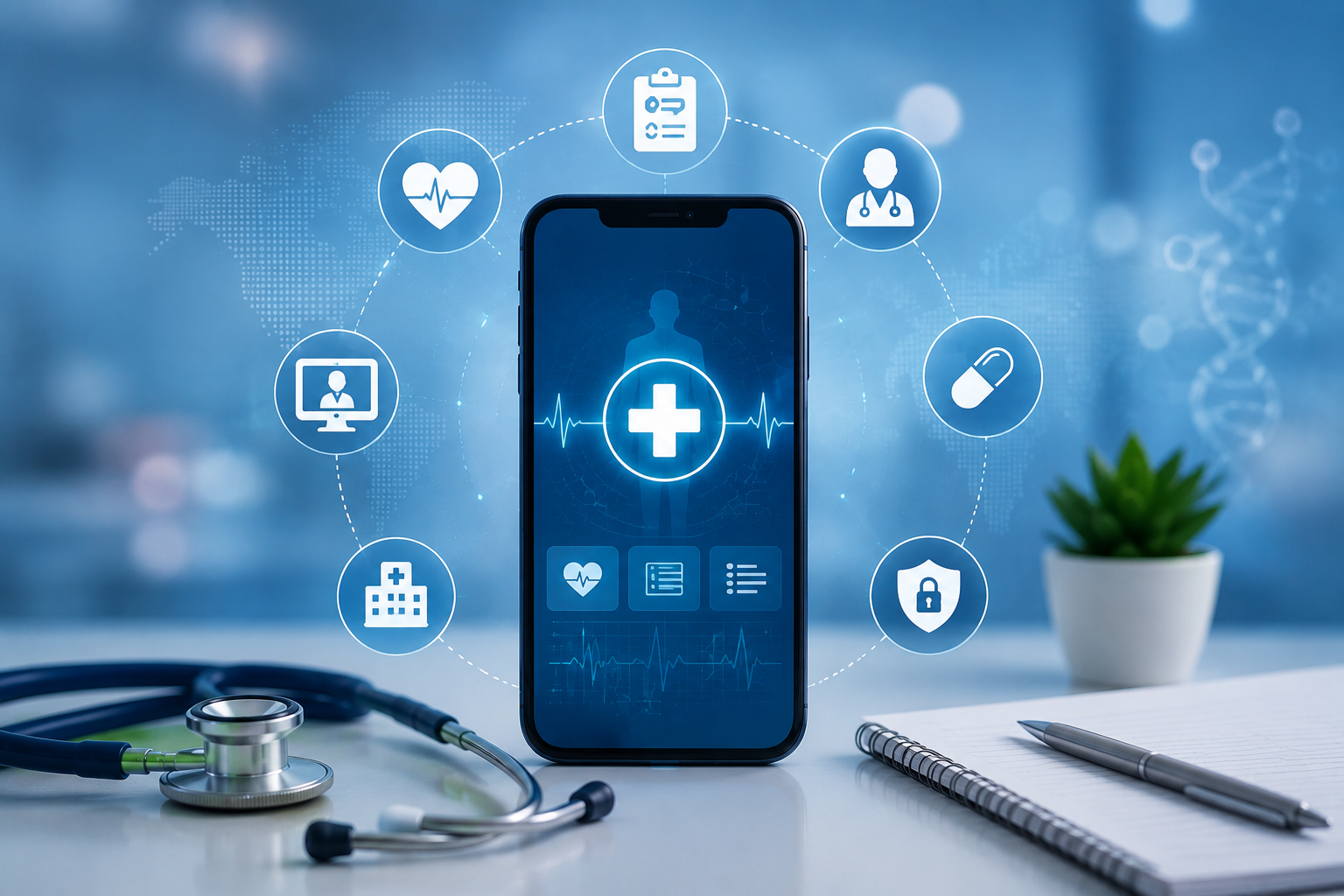
The healthcare industry is embracing digital transformation at an unprecedented pace, and mobile applications are playing a central role in this evolution. From booking doctor appointments and accessing medical records to remote patient monitoring and virtual consultations, healthcare apps are making medical services more accessible, efficient, and patient-centric. As smartphone usage continues to grow worldwide, healthcare organizations are leveraging mobile technology to improve patient experiences, streamline operations, and deliver better clinical outcomes.
Today, mobile apps are no longer just an added convenience—they have become an essential part of modern healthcare. They empower patients to take control of their health while enabling healthcare providers to deliver timely, personalized, and high-quality care.
In this article, we’ll explore the growing role of mobile apps in healthcare innovation and how they are reshaping the future of the healthcare industry.
Mobile Apps Are Transforming Patient Care
One of the biggest contributions of mobile applications is improving patient care. Healthcare apps provide patients with instant access to medical services without requiring frequent hospital visits.
Organizations investing in custom healthcare software development services can build tailored healthcare applications that address specific clinical workflows, enhance patient engagement, and integrate seamlessly with hospital management systems, electronic health records (EHRs), and telemedicine platforms.
Patients can use healthcare apps to:
Schedule appointments
Access medical records
Receive prescription reminders
Track medications
Consult doctors virtually
View laboratory reports
This convenience enhances patient satisfaction while reducing administrative workload for healthcare providers.
Improving Accessibility to Healthcare Services
Mobile applications have significantly expanded access to healthcare, especially for people living in remote or underserved areas. Patients can consult doctors, receive medical advice, and access healthcare resources without traveling long distances.
Healthcare apps support services such as:
Online consultations
Emergency medical assistance
Digital prescriptions
Specialist referrals
Health education
Appointment scheduling
These capabilities improve healthcare accessibility while reducing pressure on hospitals and clinics.
The Importance of Healthcare App Development Services
As digital healthcare continues to grow, organizations are increasingly investing in healthcare app development services to build secure, scalable, and user-friendly healthcare applications. These services help hospitals, clinics, startups, and healthcare providers develop solutions that improve patient engagement, optimize workflows, and comply with healthcare regulations.
Professionally developed healthcare apps also ensure better performance, enhanced security, and long-term scalability.
Telemedicine Is Revolutionizing Healthcare Delivery
Telemedicine has become one of the most impactful healthcare innovations. Mobile applications allow patients to connect with healthcare professionals through secure video consultations from virtually anywhere.
Benefits of telemedicine include:
Reduced waiting times
Improved healthcare accessibility
Lower operational costs
Better chronic disease management
Faster specialist consultations
This technology makes quality healthcare more convenient and accessible for everyone.
Wearable Devices and Mobile Apps Work Together
Wearable technology has transformed the way patients monitor their health. Healthcare applications integrate with smart devices to collect real-time health data and provide valuable insights.
Popular wearable integrations include:
Smartwatches
Fitness trackers
Blood glucose monitors
Blood pressure monitors
Heart rate monitors
Continuous health monitoring helps patients and healthcare providers detect potential health issues early and make informed medical decisions.
Artificial Intelligence (AI) is making healthcare applications smarter by analyzing patient data, identifying patterns, and supporting clinical decision-making.
AI-powered healthcare features include:
Symptom assessment
Predictive analytics
Medical image analysis
Personalized treatment recommendations
Virtual health assistants
These technologies improve diagnostic accuracy while enhancing patient experiences.
Mobile Apps Improve Patient Engagement
Patient engagement is essential for better healthcare outcomes. Mobile applications encourage users to actively participate in managing their health through interactive features.
Healthcare apps improve engagement by offering:
Medication reminders
Appointment notifications
Personalized wellness tips
Fitness tracking
Health progress reports
Goal monitoring
Engaged patients are more likely to follow treatment plans and maintain healthier lifestyles.
Cloud Technology Supports Healthcare Innovation
Cloud computing has become a key technology behind modern healthcare applications. It enables healthcare providers to securely store patient information while allowing authorized access from multiple locations.
Benefits of cloud integration include:
Secure data storage
Faster information sharing
Improved scalability
Disaster recovery
Remote accessibility
Cost-effective infrastructure
Cloud technology also improves collaboration between healthcare professionals.
Data Security Remains a Top Priority
Healthcare applications handle highly sensitive patient information, making data security one of the most important aspects of development.
Essential security measures include:
End-to-end encryption
Multi-factor authentication
Secure APIs
Role-based access control
Regular security updates
Automated data backups
Strong security practices help healthcare organizations protect patient privacy while maintaining compliance with healthcare regulations.
Enhancing Hospital Operations Through Mobile Apps
Mobile applications also improve internal hospital management by automating routine tasks and improving communication among healthcare professionals.
Hospitals use mobile apps for:
Electronic Health Records (EHR)
Appointment scheduling
Staff communication
Patient management
Inventory management
Billing automation
These improvements increase operational efficiency while reducing administrative workload.
Custom Healthcare Software Development Services Drive Innovation
Healthcare organizations often have unique operational requirements that generic software cannot fully address. Investing in custom healthcare software development services enables providers to build tailored solutions that integrate seamlessly with existing systems, automate workflows, improve patient management, and ensure compliance with healthcare regulations.
Partnering with an experienced provider of mobile application development services in Delhi allows healthcare organizations to build secure, scalable, and feature-rich healthcare applications using advanced technologies such as Artificial Intelligence, cloud computing, IoT, and predictive analytics. These customized solutions improve operational efficiency, enhance patient experiences, and support long-term digital transformation.
Customized healthcare applications also provide greater flexibility, better scalability, and improved integration with hospital systems, making them a valuable long-term investment.
Future Trends in Healthcare Mobile Applications
The future of healthcare innovation will continue to be driven by emerging technologies that improve patient care and operational efficiency.
Some key trends include:
AI-powered diagnostics
Remote patient monitoring
Blockchain for secure medical records
IoT-enabled healthcare devices
Voice-enabled healthcare applications
Predictive healthcare analytics
Personalized digital healthcare experiences
These technologies will continue to redefine the delivery of healthcare services while creating better experiences for patients and healthcare providers.
Conclusion
Mobile applications have become one of the most important drivers of healthcare innovation. They improve patient care, increase access to medical services, support telemedicine, integrate wearable devices, enhance patient engagement, and streamline hospital operations. With technologies such as AI, cloud computing, and IoT continuing to evolve, healthcare applications are becoming more intelligent, secure, and efficient.
Organizations that invest in modern healthcare app solutions today will be better prepared to meet future patient expectations and industry demands. By leveraging advanced technologies and working with experienced development professionals, healthcare providers can build innovative, scalable, and secure mobile applications that improve patient outcomes and accelerate digital transformation across the healthcare sector.


Post Comment