Android vs iOS Mobile Application Development: Key Differences
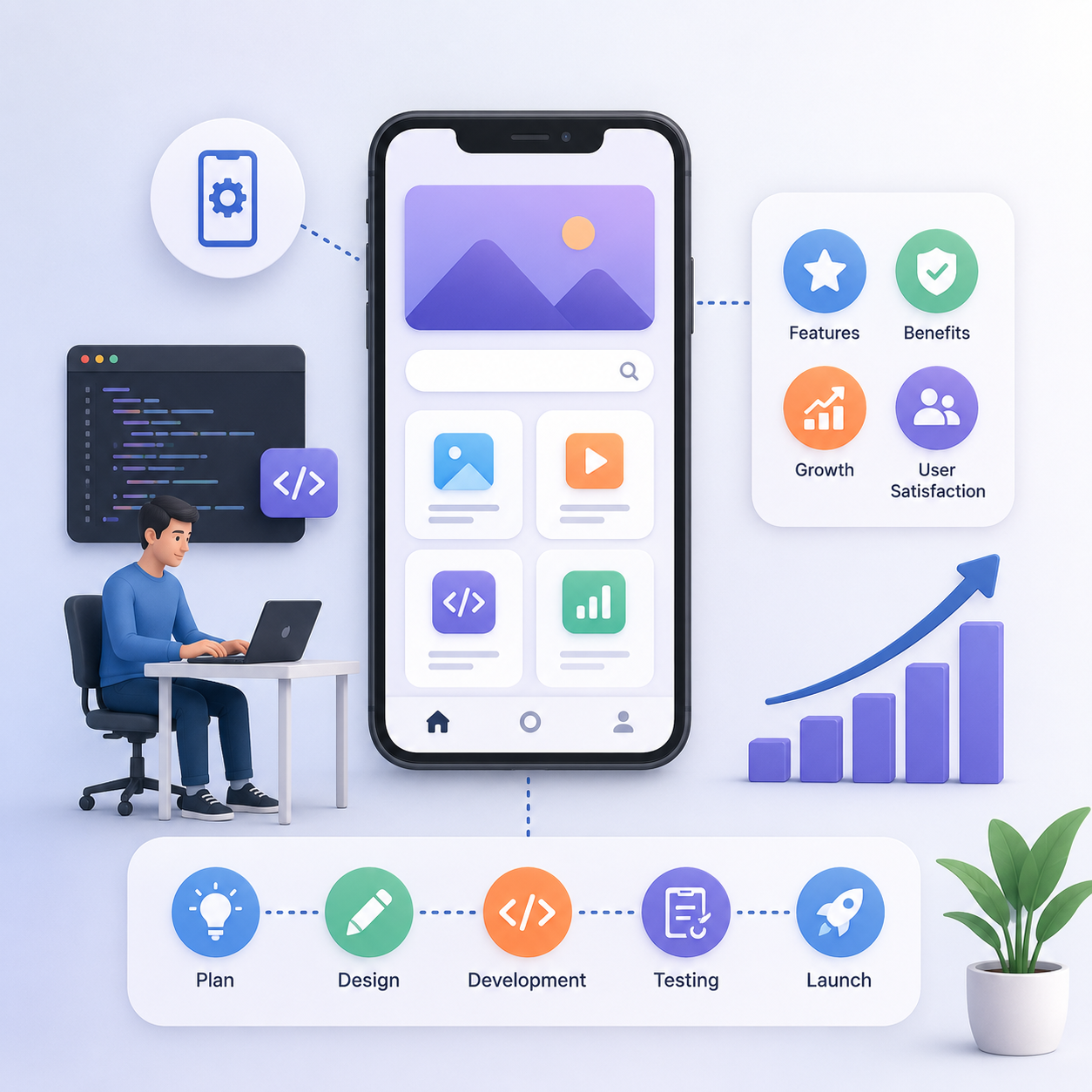
Choosing between Android and iOS is one of the first big decisions any business faces when planning a mobile app. Both platforms dominate the global market, but they differ in almost every stage of development — from the programming language you use to how long it takes to launch and how much it costs. Understanding these differences helps you make a smarter, more cost-effective decision for your product.
In this article, we break down the key distinctions between Android and iOS app development so you can decide which platform (or whether both) fits your business goals.
Programming Languages and Development Tools
The most fundamental difference between Android and iOS development lies in the technology stack. Android apps are primarily built using Kotlin or Java, developed within Android Studio, Google’s official integrated development environment (IDE). Kotlin has become the preferred choice in recent years due to its concise syntax and modern features, though Java remains widely used in legacy projects.
iOS apps, on the other hand, are built using Swift (or the older Objective-C) within Xcode, Apple’s proprietary development environment. Swift is known for being fast, safe, and beginner-friendly compared to Objective-C. Because Android and iOS use entirely different languages and toolchains, most companies either hire separate teams for each platform or use cross-platform frameworks like Flutter or React Native to build for both simultaneously, saving time and resources.
Development Cost and Time
Cost and timeline are often the deciding factors for startups and small businesses. Android development typically takes slightly longer due to device fragmentation. There are thousands of Android devices with different screen sizes, resolutions, and OS versions, all of which need to be tested and optimized for. This increases both development time and QA effort.
iOS development is generally faster and more predictable because Apple uses a limited number of devices (iPhones and iPads), making testing more streamlined. However, Apple’s App Store review process can be stricter and slower than Google Play’s, sometimes delaying launch by a few days to weeks.
In terms of raw cost, Android and iOS development are often comparable, though Android projects may cost more overall due to the extra testing required across multiple device configurations.
Choosing the Right Mobile Application Development Services in Delhi
If you’re a business owner based in India, partnering with experienced mobile application development services in Delhi can significantly simplify this decision-making process. Delhi has emerged as a thriving hub for app development talent, offering access to skilled Android and iOS developers, UI/UX designers, and QA engineers at competitive rates compared to Western markets.
A good development partner in Delhi will assess your business requirements, target audience, and budget before recommending the right platform strategy — whether that’s native Android, native iOS, or a cross-platform solution. They can also guide you through app store guidelines, backend integration, and post-launch maintenance, ensuring your app is built to scale as your user base grows. Working with a local team also means easier communication, time-zone alignment, and often faster turnaround on revisions and support requests.
UI/UX Design Differences
Android and iOS also differ significantly in design philosophy. Android follows Google’s Material Design guidelines, which emphasize bold colors, layered surfaces, and consistent motion patterns across apps. Android also gives developers more flexibility to customize UI elements and navigation patterns.
iOS follows Apple’s Human Interface Guidelines (HIG), which prioritize simplicity, minimalism, and consistency across the Apple ecosystem. iOS apps tend to have a more uniform look and feel, with less customization but stronger adherence to Apple’s design standards. These differences mean that a single design can’t simply be copied from one platform to the other — each requires its own design considerations to feel native and intuitive to users.
Market Reach and Monetization
Android holds a significantly larger global market share, particularly in regions like Asia, Africa, and Latin America, making it ideal for apps targeting a broad, budget-conscious audience. iOS users, meanwhile, are concentrated in North America, Europe, and Australia, and are generally known for higher average spending on apps and in-app purchases. This makes iOS a strong choice for apps with premium features, subscriptions, or paid downloads.
Your monetization strategy should influence your platform choice: if you’re targeting ad-based revenue and mass reach, Android may be the better starting point. If you’re building a premium product with in-app purchases, iOS users typically convert at higher rates.
Security Features
Security is another area where the two platforms diverge. iOS is a closed ecosystem, meaning Apple tightly controls hardware and software integration, app store submissions, and system-level permissions. This results in fewer security vulnerabilities and malware incidents compared to Android.
Android, being open-source, offers more flexibility but also a larger attack surface. Google has significantly improved Android security in recent years through features like Google Play Protect, but the platform still requires more proactive security measures during development, especially for apps handling sensitive user data.
Conclusion
There’s no universal “better” platform — the right choice depends on your target audience, budget, timeline, and long-term business goals. Android offers broader reach and more customization flexibility, while iOS offers a more controlled environment, faster development cycles, and often higher revenue per user.
For many businesses, the smartest approach is building for both platforms using cross-platform frameworks, or starting with one platform and expanding once the app gains traction. Whichever route you choose, partnering with an experienced development team — including trusted mobile application development services in Delhi — can help you navigate platform-specific challenges and bring your app to market successfully.






Post Comment