Why Shoe Box Dimensions Matter for Storage
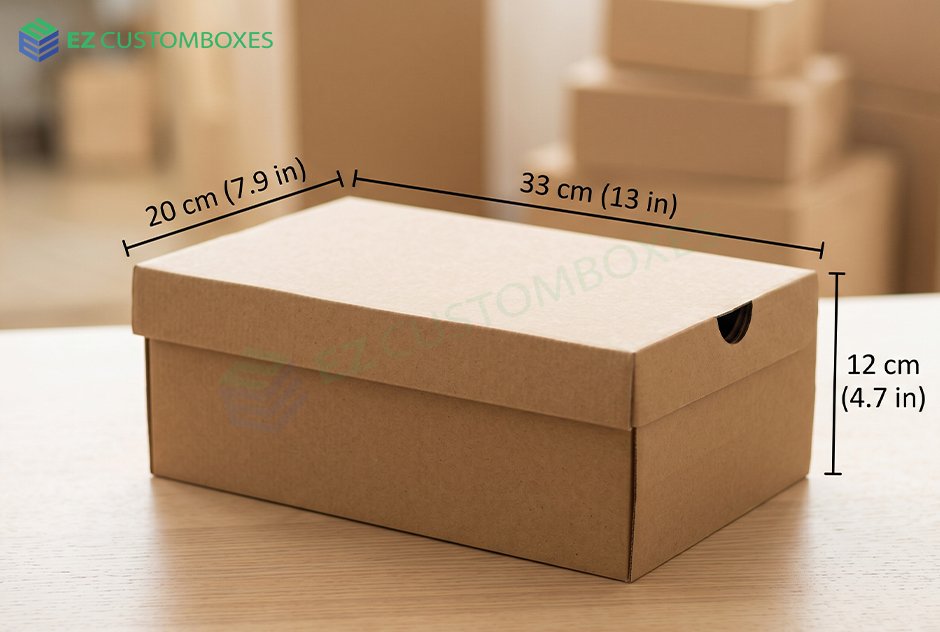
When organizing a closet, garage, or storage room, many people focus on the shoes themselves but overlook an important factor: shoe box dimensions. The size and shape of a shoe box can significantly impact how efficiently you use storage space, protect your footwear, and keep your home organized.
Understanding why shoe box dimensions matter for storage can help you maximize available space, reduce clutter, and extend the life of your shoes. Whether you’re storing a few pairs or managing an extensive shoe collection, choosing the right box dimensions makes a noticeable difference.
Why Do Shoe Box Dimensions Matter for Storage?
Shoe box dimensions matter for storage because they affect space utilization, organization, stackability, shoe protection, and accessibility.
Properly sized shoe boxes help:
- Maximize storage capacity
- Keep shoes protected from dust and damage
- Improve closet organization
- Simplify inventory management
- Create a cleaner, more organized space
Using the right shoe box dimensions can make storage more efficient and practical.
What Are Standard Shoe Box Dimensions?
Shoe box dimensions vary depending on shoe type, brand, and size.
Average Shoe Box Dimensions
| Shoe Type | Typical Dimensions (L × W × H) |
|---|---|
| Men’s Shoes | 13 x 7.5 x 5 inches |
| Women’s Shoes | 12 x 7 x 4.5 inches |
| Children’s Shoes | 10 x 6 x 4 inches |
| Athletic Shoes | 14 x 9 x 5 inches |
| Boots | 16 x 12 x 6 inches |
These dimensions serve as general guidelines and may vary by manufacturer.
How Shoe Box Dimensions Improve Storage Efficiency
One of the biggest reasons shoe box dimensions matter is space optimization.
Better Shelf Utilization
Boxes with consistent dimensions:
- Fit neatly on shelves
- Reduce wasted space
- Allow uniform stacking
This creates a cleaner and more organized storage area.
Easier Closet Organization
When shoe boxes are similar in size:
- Labels remain visible
- Boxes stack securely
- Shoes are easier to find
Uniform storage systems help maintain order over time.
Why Proper Shoe Box Size Protects Your Shoes
Storage isn’t just about saving space it also protects your footwear investment.
Prevents Shoe Deformation
A box that is too small may:
- Compress shoes
- Bend materials
- Distort shoe shape
The dimensions of a shoe box help shoes maintain their original form.
Reduces Dust and Moisture Exposure
Well-fitting shoe boxes provide:
- Dust protection
- Reduced light exposure
- Better environmental control
This helps preserve materials such as leather, suede, canvas, and synthetic fabrics.
How Shoe Box Dimensions Affect Stackability
Stackability is crucial when storing multiple pairs.
Stable Stacking
Boxes with similar dimensions:
- Create even weight distribution
- Reduce the risk of collapse
- Improve safety
Vertical Space Optimization
Many homeowners overlook vertical storage opportunities.
Using stackable shoe boxes allows you to:
- Utilize closet height
- Free up floor space
- Increase storage capacity
This is especially useful in small apartments and compact homes.
Best Shoe Box Dimensions for Different Storage Needs
Everyday Shoe Storage
For regular household storage:
- Standard shoe boxes work well
- Clear plastic alternatives improve visibility
- Uniform dimensions improve organization
Long-Term Shoe Storage
For seasonal or collectible shoes:
- Use boxes with proper ventilation
- Choose dimensions that prevent compression
- Add protective inserts when necessary
Sneaker Collections
Collectors often prefer:
- Larger storage containers
- Transparent boxes
- Stackable display systems
These options protect shoes while showcasing valuable collections.
Common Mistakes When Choosing Shoe Boxes
Avoid these storage errors:
1. Using Boxes That Are Too Small
This can:
- Damage shoe structure
- Cause creasing
- Reduce lifespan
2. Choosing Oversized Boxes
Excess space allows shoes to shift during storage.
3. Ignoring Stackability
Mismatched box sizes can create unstable storage systems.
4. Forgetting Ventilation
Some materials benefit from airflow during long-term storage.
How to Measure Shoe Box Dimensions Correctly
Accurate measurements help you plan storage effectively.
Step 1: Measure Length
Measure the longest side from end to end.
Step 2: Measure Width
Measure the shorter side across the box.
Step 3: Measure Height
Measure from the base to the top of the lid.
Record dimensions as:
Length × Width × Height (L × W × H)
This standard format simplifies storage planning.
Benefits of Using Uniform Shoe Box Dimensions
Many professional organizers recommend standardized storage containers.
Advantages Include:
- Better visual appearance
- Easier labeling
- Improved stacking
- Efficient use of shelves
- Faster shoe retrieval
Uniform dimensions create a streamlined and clutter-free environment.
How Shoe Box Dimensions Impact Small Spaces
People living in apartments often face storage challenges.
Proper shoe box dimensions help by:
- Maximizing closet capacity
- Utilizing under-bed storage
- Improving shelf organization
- Reducing clutter
Even a few inches saved per box can significantly increase total storage space.
Final Thoughts
Understanding why shoe box size dimensions matter for storage can help you organize your space more effectively while protecting your footwear. The right dimensions improve stackability, maximize storage capacity, and help preserve the condition of your shoes over time.
Whether you’re organizing a small closet or storing a large shoe collection, selecting properly sized shoe boxes is a simple step that delivers long-term benefits.
Takeaway: Measure your storage space and choose shoe boxes with dimensions that support efficient organization, easy access, and long-term shoe protection.






Post Comment