5 Reasons Your Brand Should Switch to Rigid Collapsible Box Packaging Today
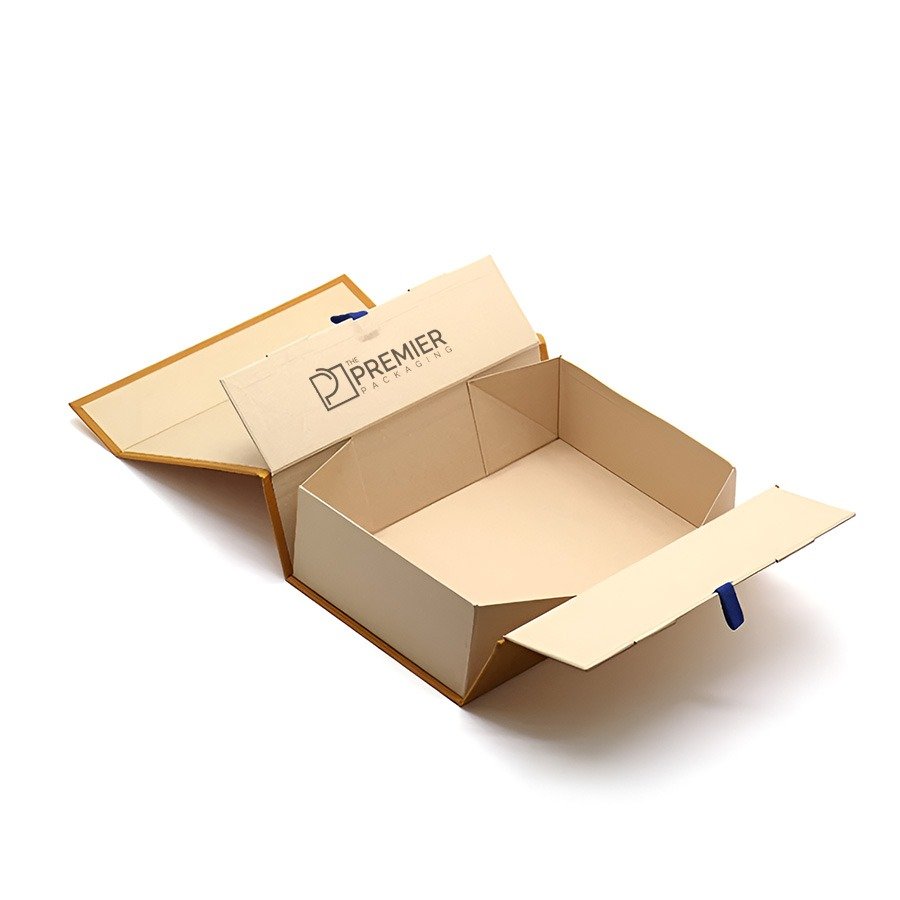
Last quarter, a friend of mine who runs a skincare brand told me she was losing money on shipping not because of carrier rate hikes, but because of her boxes. Flat-rate boxes that she couldn’t collapse. Boxes that took up three times the storage space they needed to. Boxes that her fulfillment team was assembling by hand for twenty minutes per batch.
She switched to rigid collapsible box. Within sixty days, her storage costs dropped, her packing time got cut nearly in half, and her customers started posting unboxing videos without her asking them to.
- You Stop Paying for Empty Air
This sounds obvious when you say it out loud, but most brands are doing exactly this paying to store and ship air.
Traditional rigid boxes hold their shape whether there’s a product inside or not. That means when you order five hundred boxes and stack them in your warehouse, you’re storing five hundred fully open cubes. On a shelf. Taking up real square footage that you’re paying for every single month.
A rigid collapsible box folds flat when it’s not in use. Five hundred of them stack into a fraction of the space. That’s not a minor convenience for small businesses working out of a garage, a home office, or a small studio, it’s the difference between fitting your inventory in one corner versus rearranging your entire workspace around cardboard.
And when you ship empty boxes to a fulfillment center or bring them to a market stall? Same story. Flat is cheaper to move than built-out, every single time.
- The Unboxing Experience Doesn’t Take a Hit
Completely fair question. Rigid packaging built its reputation on structure and presence. A box that holds its shape communicates solidity, quality, and intention. Customers associate it with high-end brands because that’s traditionally what high-end brands used.
The custom collapsible rigid boxes doesn’t give that up. When it’s assembled and sitting on a table, it looks and feels exactly like a standard rigid box. The corners are crisp. The walls don’t flex or bow. The lid fits snugly. There’s no tell that it ever folded flat.
What customers experience when they open it is the same satisfying resistance, the same structured reveal. The collapsible mechanism is completely invisible to them. All they see is a beautiful box.
That matters because the unboxing moment is part of the product now. People film it, post it, share it. Packaging that photographs well earns you attention you didn’t pay for. The rigid collapsible box holds up to that scrutiny without any compromise.
- Assembly Time Comes Down Significantly
If you’ve ever spent a Sunday night assembling rigid boxes before a big order goes out, you already understand this point personally.
Traditional rigid boxes often arrive pre-assembled or require careful construction that takes time and a steady hand to get right. If you’re doing volume even moderate volume that time adds up fast. Ten minutes per box sounds manageable until you’ve got forty orders waiting.
wholesale rigid collapsible box is designed to pop open quickly. You press, fold, and lock in seconds. No tape, no adhesive, no separate lid construction. Just a clean motion and it’s ready.
For brands that self-fulfill, this directly frees up time. For brands using fulfillment services, faster assembly can translate into lower handling fees. Either way, it’s a cost that quietly shrinks once you make the switch.
- It Fits Better Into Sustainable Packaging Goals
Sustainability in packaging isn’t a trend anymore it’s a baseline expectation for a growing segment of buyers. And the rigid collapsible box checks real boxes here, not just marketing ones.
Because it ships and stores flat, it requires less fuel to transport the same number of units. Fewer trucks, smaller shipments, lower carbon output per box. That math actually holds up.
Many rigid collapsible boxes are also made from recycled or recyclable board, and the construction avoids the kind of adhesive-heavy assembly that makes traditional rigid boxes harder to break down after use. A customer who wants to recycle the box after receiving a gift can do so more easily.
For brands that communicate their environmental values to customers, this is a packaging choice that supports the story you’re already telling. You’re not just saying you care you’re using materials and structures that reflect it.
- The Look Works Across Almost Every Product Category
One of the practical headaches with specialty packaging is that it tends to be purpose-built. A box designed for candles looks wrong for jewelry. A box built around cosmetics doesn’t translate to food gifting.
The rigid collapsible box is more flexible than most. The clean, structured profile works for luxury fashion accessories, premium skincare, artisan food products, corporate gifting, tech accessories, wedding favors, and subscription boxes. The format is neutral enough that your branding color, texture, finish, ribbon, custom inserts carries the personality. The box provides the structure.
That means if your brand expands its product line or shifts its gifting strategy, the box doesn’t become obsolete. You’re investing in a packaging format that grows with you rather than locking you into one product category.
Bottom Line
Packaging decisions feel small until they compound. The right box affects your storage bill, your shipping costs, your team’s time, your customer’s first impression, and your brand’s position on sustainability. The rigid collapsible box quietly improves all five of those things at once.
My friend didn’t switch because someone sold her on a trend. She switched because the numbers made sense and the quality held up. That’s usually how the best packaging decisions get made not with excitement, but with clarity.
If your current boxes are costing you more than they’re giving back, this one’s worth a serious look.






Post Comment