What Is Radon Testing and Why Is It Essential for Your Home
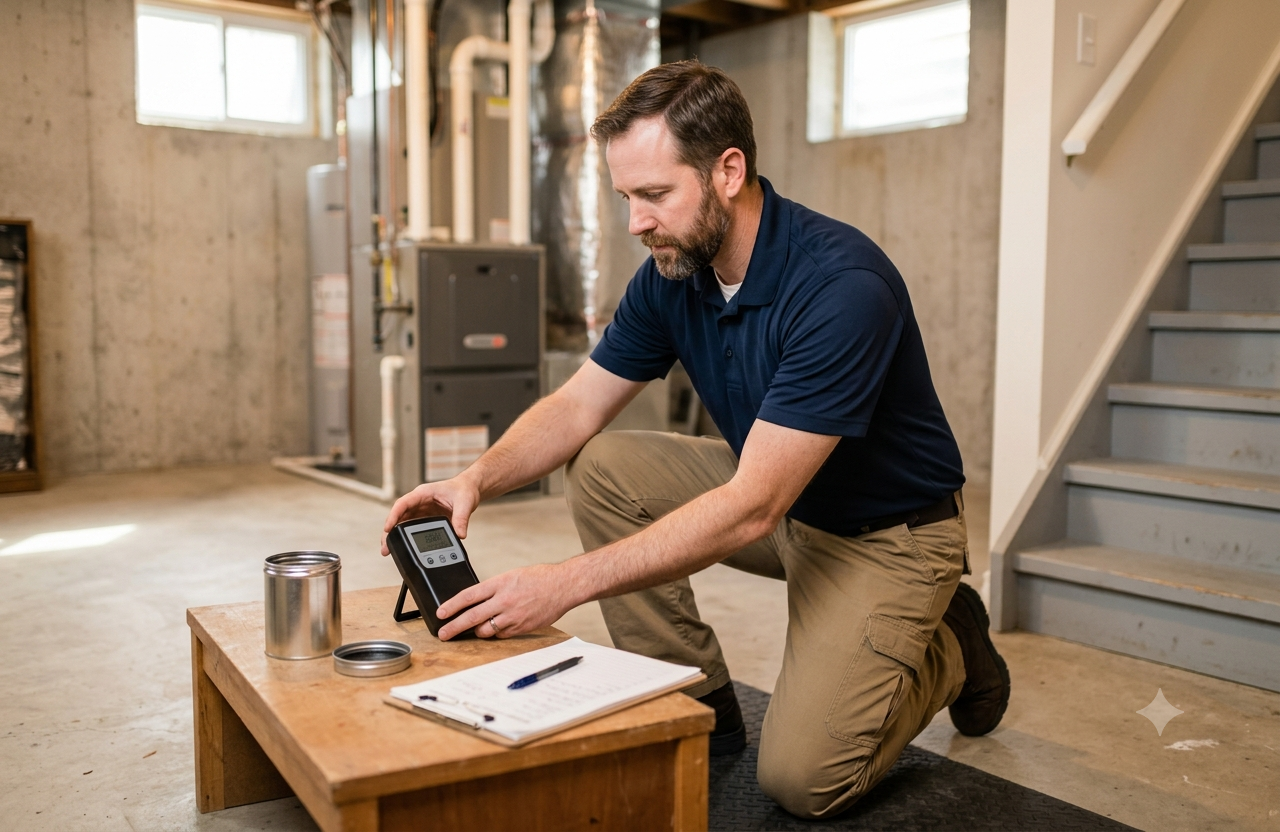
Radon testing is one of the most important steps homeowners can take to protect their families from an invisible health hazard. Radon is a naturally occurring radioactive gas that forms when uranium breaks down in soil, rock, and water. Because it has no color, smell, or taste, radon can enter homes unnoticed and build up to dangerous levels over time.
Long-term exposure to elevated radon levels has been linked to lung cancer, making radon testing a vital part of home safety. Whether you own a new home, an older property, or are planning to buy or sell a house, understanding the importance of radon testing can help you make informed decisions and create a healthier indoor environment.
This guide explains everything you need to know about radon testing, including how it works, why it matters, and how often you should test your home.
What Is Radon Testing?
Radon testing is the process of measuring the concentration of radon gas inside a building. The goal is to determine whether radon levels exceed the recommended safety guidelines established by health authorities.
Testing is performed using specialized equipment that detects the amount of radon present in indoor air. Results are typically measured in picocuries per liter (pCi/L) in the United States or becquerels per cubic meter (Bq/m³) in many other countries.
If the test reveals elevated radon levels, homeowners can take steps to reduce the concentration through professional mitigation systems.
Why Is Radon Testing Important?
Many homeowners assume their property is safe simply because it looks clean and well-maintained. However, radon is invisible and cannot be detected without proper testing.
Here are several reasons why radon testing is essential:
Protects Your Health
The biggest reason to perform radon testing is to reduce health risks. According to leading health organizations, radon exposure is the second leading cause of lung cancer after smoking.
Even people who have never smoked can develop lung cancer due to prolonged exposure to high radon levels.
Identifies Hidden Indoor Air Problems
Unlike mold or water damage, radon leaves no visible signs. Testing provides valuable information about indoor air quality that cannot be discovered through visual inspections.
Supports Real Estate Transactions
Many buyers request radon testing before purchasing a home. A recent test report provides confidence and transparency during the buying or selling process.
Provides Peace of Mind
Knowing your home’s radon level allows you to take preventive action if necessary. Even if results are low, regular testing confirms your indoor environment remains safe.
How Does Radon Enter a Home?
Radon naturally rises from the ground and can enter buildings through small openings in the foundation.
Common entry points include:
- Foundation cracks
- Basement floors
- Construction joints
- Utility pipe openings
- Crawl spaces
- Floor drains
- Gaps around plumbing
Once inside, radon can accumulate, especially in lower levels of the home where ventilation is limited.
Types of Radon Testing
There are two primary methods of radon testing.
Short-Term Radon Testing
Short-term tests usually remain in place for two to seven days.
Advantages include:
- Quick results
- Affordable option
- Ideal for home inspections
- Useful during real estate transactions
However, short-term tests only provide a snapshot of radon levels during a limited period.
Long-Term Radon Testing
Long-term testing generally lasts more than 90 days.
Benefits include:
- More accurate annual average
- Accounts for seasonal changes
- Better long-term exposure assessment
- Recommended for homeowners seeking the most reliable results
Many professionals recommend long-term radon testing after an initial short-term test if additional confirmation is needed.
When Should You Perform Radon Testing?
There are several situations when radon testing should be performed.
When Buying a Home
Testing before purchasing ensures you understand any potential health risks before moving in.
After Major Renovations
Home improvements that affect the foundation or ventilation may change indoor radon levels.
Every Two Years
Even homes with previously safe readings should be retested periodically because soil conditions and ventilation patterns can change.
After Installing a Mitigation System
Follow-up radon testing confirms the mitigation system is effectively reducing radon concentrations.
What Happens During Professional Radon Testing?
Professional radon testing follows established procedures to ensure accurate results.
A typical inspection includes:
- Evaluating the property
- Selecting the best testing location
- Installing certified testing equipment
- Maintaining closed-house conditions during testing
- Collecting the monitor after the testing period
- Analyzing results
- Providing a detailed report
Professionally conducted radon testing reduces the risk of inaccurate measurements and provides dependable information.
Understanding Radon Test Results
After testing is complete, you’ll receive a report showing the measured radon level.
Generally speaking:
- Low levels indicate minimal concern.
- Moderate levels may require additional testing.
- High levels often require mitigation to reduce exposure.
Your testing professional can explain the findings and recommend appropriate next steps based on local health guidelines.
What Is Radon Mitigation?
If radon testing reveals elevated levels, installing a radon mitigation system is the recommended solution.
Most systems work by creating negative pressure beneath the home’s foundation, safely venting radon gas outside before it enters living spaces.
Benefits include:
- Significant reduction in radon levels
- Improved indoor air quality
- Increased home value
- Greater family safety
- Long-term protection
Many mitigation systems continue operating effectively for years with minimal maintenance.
Common Myths About Radon Testing
Myth One: Only Older Homes Have Radon
Fact: Homes of any age can experience elevated radon levels.
Myth Two: New Homes Do Not Need Testing
Fact: Modern construction does not prevent radon from entering a home.
Myth Three: If My Neighbor Has Low Radon, My Home Is Safe
Fact: Radon levels vary significantly between neighboring homes because soil conditions and construction methods differ.
Myth Four: Radon Testing Is Expensive
Fact: Radon testing is relatively affordable compared to the potential health costs associated with long-term exposure.
Tips for Maintaining Low Radon Levels
Homeowners can take several steps to reduce the risk of elevated radon.
These include:
- Schedule regular radon testing.
- Seal visible foundation cracks.
- Improve basement ventilation where appropriate.
- Maintain crawl spaces properly.
- Install a mitigation system if recommended.
- Retest after renovations or structural changes.
Regular monitoring ensures your home’s indoor air remains safe over time.
Choosing a Radon Testing Professional
Selecting a qualified radon testing company improves the accuracy and reliability of your results.
Look for professionals who:
- Use certified testing equipment
- Follow recognized testing protocols
- Provide detailed written reports
- Explain results clearly
- Offer mitigation recommendations when necessary
- Have positive customer reviews and industry experience
Working with experienced professionals helps ensure accurate measurements and reliable guidance.
Conclusion
Radon testing is a simple yet highly effective way to protect your home and your family’s health. Because radon is invisible and odorless, testing is the only reliable method of determining whether dangerous levels are present indoors.
Whether you are buying a new home, living in your current property, or preparing to sell, regular radon testing provides valuable insight into your indoor air quality. If elevated levels are detected, professional mitigation systems can significantly reduce radon exposure and create a safer living environment.
Investing in routine radon testing today can help prevent long-term health risks and provide peace of mind for years to come.






Post Comment