Trenching, Grading, and Foundation Digs: Common Excavation Services Explained
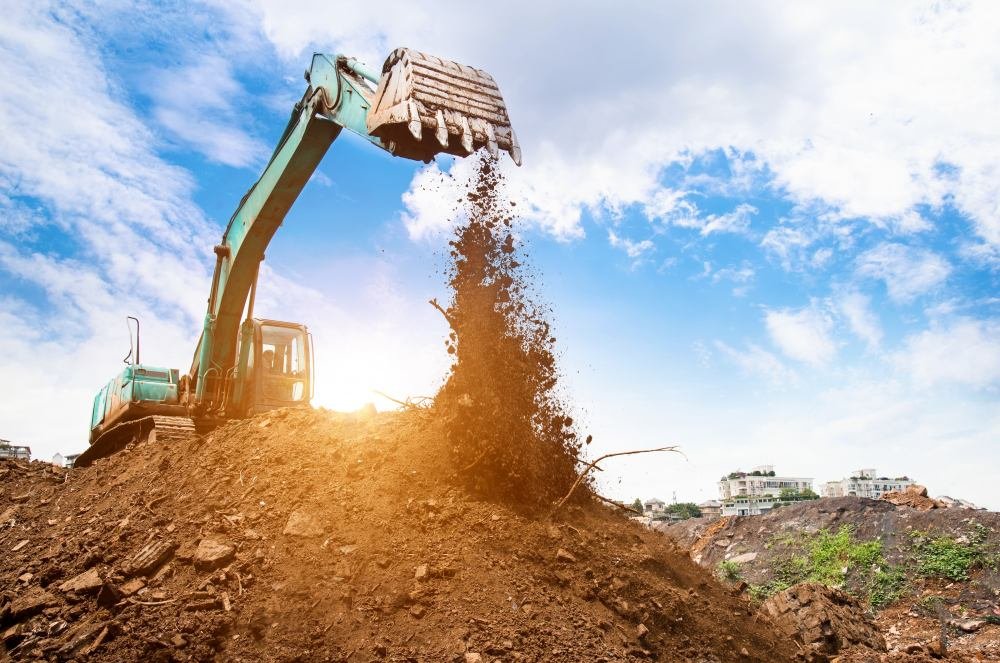
Excavation is one of the earliest and most important stages of many construction and property improvement projects. Before a foundation can be installed, utilities connected, or a site properly graded, the soil often needs to be carefully removed and repositioned. Different excavation tasks serve different purposes, and each requires appropriate planning, equipment, and site knowledge. Understanding these services can help property owners make better decisions when preparing land for construction. Professional excavation services DFW TX can provide the specialized earthwork needed to establish a safe and properly prepared site.
What Are Excavation Services?
Excavation involves removing, moving, or reshaping soil and other materials to create the conditions required for construction. The scope can range from a relatively small trench for a utility line to major earthwork for a commercial building or development. Contractors may also remove unsuitable soil, prepare building pads, establish drainage grades, or excavate areas for foundations. The appropriate method depends on the project’s plans, soil conditions, site access, and intended use.
Professional excavation is not simply a matter of digging to a particular depth. Crews need to understand elevations, property boundaries, underground utilities, drainage patterns, equipment limitations, and the requirements of subsequent construction stages. Errors during excavation can affect foundations, utilities, paving, drainage, and landscaping later in the project. Careful planning before equipment enters the site can therefore prevent unnecessary rework and delays.
Trenching for Utilities and Infrastructure
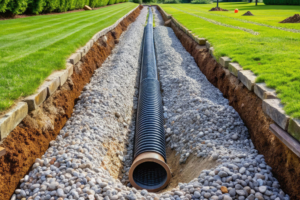
Trenching is one of the most common forms of excavation. It involves creating narrow, elongated excavations for underground infrastructure such as water lines, sewer pipes, drainage systems, electrical conduits, communication lines, or other utilities. The trench dimensions depend on the type of infrastructure being installed and the project’s specifications. Accurate trenching helps ensure that utilities can be installed at the intended depth and alignment.
Utility trenching requires careful attention to existing underground infrastructure. Before digging, appropriate utility-locating procedures should be completed to identify known lines and reduce the risk of accidental damage. Contractors also need to consider soil conditions, groundwater, nearby structures, and access for equipment. Depending on trench depth and conditions, appropriate protective measures may be necessary to safeguard workers. Professional excavation crews understand that trenching requires both accuracy and safety.
Grading and Site Leveling
Grading involves shaping the surface of a property to establish planned elevations and slopes. It may be required for building pads, driveways, parking areas, drainage routes, lawns, commercial developments, and other improvements. The goal is not necessarily to make every part of a property perfectly flat. Instead, grading establishes the contours required by the project’s design and helps direct water appropriately.
Accurate grading can have a significant impact on the finished property. If elevations are incorrect, water may collect near structures or flow toward areas where it can cause erosion or other problems. Grading may also need to connect new construction with existing roads, sidewalks, drainage features, or neighboring elevations. Professional excavation services DFW TX use appropriate equipment and measurement techniques to move material according to the required site grades.
Foundation Excavation
Foundation digs create the space required for a building’s foundation system. Depending on the project, excavation may involve removing soil for footings, foundation walls, slabs, crawl spaces, or deeper structural components. The dimensions and depth should be based on the applicable construction plans and engineering requirements. Precision is especially important because the foundation establishes the base upon which the rest of the structure depends.
Before foundation work proceeds, the excavated area may need to be inspected or evaluated according to the project’s requirements. Soil conditions can influence preparation methods, especially when expansive clay, loose fill, rock, or unsuitable material is encountered. Additional work such as soil replacement, stabilization, or compaction may be necessary depending on project specifications. Proper foundation excavation helps create a suitable starting point for the construction team.
Excavation for Drainage Systems
Drainage excavation is another important service for residential, commercial, and land development projects. Contractors may excavate swales, channels, detention areas, drainage trenches, or other features designed to manage water. Proper elevations and slopes are essential because drainage systems depend on controlled water movement. The excavation must therefore follow the project’s drainage design rather than simply creating a low area on the property.
Poorly planned drainage can create standing water, erosion, muddy work areas, and problems around foundations or paved surfaces. Effective excavation helps establish the physical pathways needed for water to move away from vulnerable areas. Depending on the project, additional drainage structures or materials may also be installed. Contractors should consider both existing water flow and the changes that construction will make to the property’s surface.
Soil Removal and Earth Moving
Not every excavation project involves disposing of all removed soil. Depending on its condition and the project’s needs, suitable material may be reused elsewhere on the property for filling, grading, or other earthwork. This can reduce hauling requirements and make more efficient use of available material. However, unsuitable or excess soil may need to be transported away from the site.
Material management should be considered before excavation begins. Contractors need to determine where excavated soil will be stockpiled, reused, loaded, or hauled. Limited site space can make this particularly important on smaller properties. Planning material movement in advance can reduce unnecessary equipment travel and keep access routes available for other construction activities.
How Demolition and Excavation Connect
Excavation frequently becomes necessary after an existing structure has been demolished. Removing a building does not always mean that the property is immediately ready for new construction. Foundations, slabs, buried debris, old utility features, and unsuitable material may remain below or around the demolished structure. Coordinating DFW demolition services with subsequent excavation can help create a more organized transition between removing the old structure and preparing the site for redevelopment.
The sequence of demolition and excavation depends on the project’s scope and site conditions. In some cases, demolition crews may remove the structure first, followed by excavation and grading. Other projects may require specific areas to be excavated or addressed as part of the demolition process. Clear communication between contractors helps ensure that the site is left in the condition required for the next stage. Proper planning also reduces the risk of duplicated work or unexpected debris interfering with excavation.
Equipment Used for Excavation
Different excavation tasks require different equipment. Excavators are commonly used for digging foundations, trenches, drainage features, and larger areas, while skid steers and compact equipment can be useful in tighter spaces. Loaders can move soil and debris, while specialized attachments may improve efficiency when working with concrete, compacted materials, or other challenging conditions. Equipment selection should be based on the property’s size, access limitations, soil conditions, and project requirements.
Using the right equipment can improve productivity while helping crews maintain better control of the work. A large machine may be highly effective on an open commercial site but difficult to maneuver around an occupied residential property. Conversely, using undersized equipment on a major earthwork project may unnecessarily extend the schedule. Experienced contractors evaluate these factors before selecting machinery and developing the excavation sequence.
Safety Considerations During Excavation
Excavation sites can present serious hazards, particularly around trenches, unstable soil, underground utilities, heavy equipment, and changing ground conditions. Contractors need to evaluate site-specific risks and follow applicable safety requirements throughout the project. Workers should not enter unsafe excavations, and appropriate protective systems may be required depending on conditions. Weather can also affect soil stability, making post-rain inspections important before certain activities resume.
Equipment operators and ground personnel also need clear communication when machinery is moving around the site. Establishing controlled work areas can help separate workers from equipment operating zones. Utility locations should be identified before digging, and access routes should remain as clear as practical. Safety should remain a priority throughout the project rather than being treated as a separate step after excavation planning is complete.
Choosing the Right Excavation Contractor
When comparing excavation services DFW TX, property owners should consider experience, equipment capabilities, project scope, communication, safety practices, and the contractor’s understanding of local site conditions. Ask whether the company has handled projects similar to yours and whether the proposed estimate clearly identifies the work included. It is also useful to discuss soil removal, grading, hauling, utility coordination, and potential unexpected conditions before work begins.
A quality excavation contractor should be able to explain the planned sequence in practical terms. They should identify access limitations, discuss how excavated material will be managed, and clarify how changes in site conditions could affect the project. If demolition is also required, coordinating DFW demolition services and excavation from the beginning can make redevelopment more efficient. Selecting a contractor based on overall capability rather than price alone can help protect the project’s schedule and long-term results.
Final Thoughts on Excavation Work
Trenching, grading, foundation excavation, drainage work, and general earth moving each serve a specific purpose in construction and property development. Although these tasks may look similar from a distance, they involve different requirements for accuracy, equipment, safety, and material management. Proper excavation creates the physical foundation for many of the stages that follow. Mistakes made during early site preparation can become much more expensive to correct after construction progresses.
For homeowners, developers, and commercial property owners, professional excavation services DFW TX can help transform an undeveloped or previously occupied property into a site ready for its next phase. When an existing structure needs to be removed, coordinating the work with DFW demolition services can further improve project sequencing. The best excavation strategy is one that considers the entire development plan, from initial site access through foundation construction and final grading. With careful planning and experienced execution, excavation can provide a stable, accurately prepared starting point for successful construction.










Post Comment