Commercial Roof Inspection Services: Protect Your Business Investment
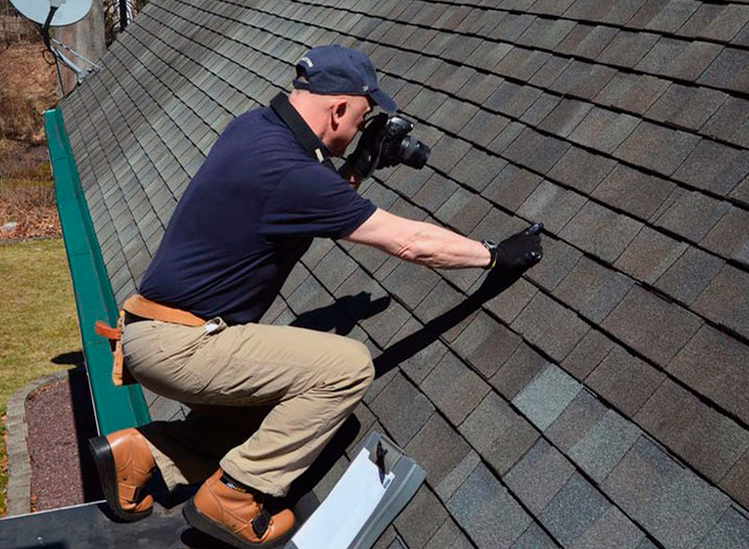
A commercial roof is a major investment and an essential part of protecting a business property. Unlike residential roofing, commercial systems often cover large areas and may include specialized membranes, drainage assemblies, flashing, rooftop equipment, penetrations, and other components that require professional evaluation. Small defects can develop into leaks, structural concerns, or operational disruptions when they are not identified early. Professional commercial roof inspection services give property owners and facility managers a clearer understanding of the roof’s current condition and help them determine whether maintenance, repair, or replacement should be considered.
Regular inspections are particularly valuable for businesses that want to manage roofing expenses proactively rather than responding to emergencies. Severe weather, aging materials, standing water, poor drainage, and normal wear can all affect commercial roofing performance. A thorough inspection can document these conditions and provide useful information for maintenance planning, budgeting, insurance documentation, and future roofing decisions. Whether a building is an office, warehouse, retail facility, industrial property, or multi-tenant structure, a condition-based inspection can help owners protect both the building and the business activities taking place inside it.
Why Commercial Roof Inspections Matter
Commercial roofing problems often develop gradually, which means they may not become obvious until water reaches the interior of the building. A minor membrane defect, deteriorated flashing area, loose component, or blocked drain can remain unnoticed while repeated weather exposure continues to weaken the roofing system. Professional inspections provide an opportunity to identify these conditions before they become more disruptive. This is especially important for businesses where a roof leak could affect inventory, equipment, employees, tenants, electrical systems, or customer areas. An inspection is not necessarily an indication that a roof requires major work. In many cases, it can confirm that the system is performing properly or identify relatively small maintenance needs. By understanding the roof’s condition in advance, property owners can make more informed decisions about repairs and future capital expenditures.
What Commercial Roof Inspection Services Typically Include
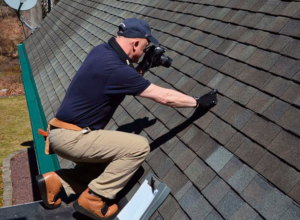
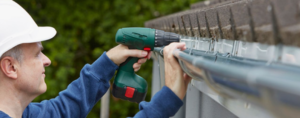
A comprehensive inspection should evaluate the roofing system as a whole rather than focusing only on visible leaks. Depending on the building and roof type, a professional may examine membrane or surface materials, seams, flashing, penetrations, roof edges, drainage systems, gutters, scuppers, drains, rooftop equipment areas, and other vulnerable points. Inspectors may also look for ponding water, punctures, blistering, deterioration, loose materials, or evidence of previous repairs. Interior areas can provide additional information when there are ceiling stains, moisture, damaged insulation, or other signs of water intrusion. The exact inspection process varies according to the roofing system and accessibility of the property, but the objective is to establish an accurate condition assessment. Detailed photographs and written observations can make the findings more useful for property managers who need to prioritize repairs, prepare budgets, or maintain records for future inspections.
When Should a Commercial Roof Be Inspected?
The ideal inspection schedule depends on the roof’s age, material, environment, maintenance history, and exposure to severe weather. Routine inspections can help identify developing issues before they become emergencies, while additional assessments may be appropriate after hail, high winds, heavy rain, or other significant weather events. A commercial roof should also be evaluated when a property is being purchased, sold, refinanced, leased, or prepared for a major renovation. If a building has recurring leaks, unexplained moisture, drainage problems, or evidence of deteriorating materials, an inspection should not be postponed simply because the next scheduled assessment is months away. Older roofs may require closer monitoring because multiple components can begin deteriorating at similar times. Establishing a documented inspection history allows property owners to compare conditions over time and identify changes that might otherwise be overlooked.
How Inspections Help Prevent Expensive Repairs
Preventive maintenance is one of the strongest reasons to invest in professional roof assessments. Roofing defects generally become more complicated when water is allowed to penetrate repeatedly. A damaged flashing area may initially affect only a small section, but continued moisture exposure can eventually damage insulation, decking, interior finishes, and other building components. Similarly, blocked drainage can create recurring ponding that places additional stress on the roofing system. An inspection can identify these vulnerabilities and help property owners address them according to their urgency. Not every finding requires immediate action, and a good inspection report should help distinguish between conditions that need prompt repair and issues that can be monitored during routine maintenance. This prioritization allows businesses to allocate resources intelligently instead of treating every roofing observation as an emergency.
Commercial Roof Inspections After Storm Damage
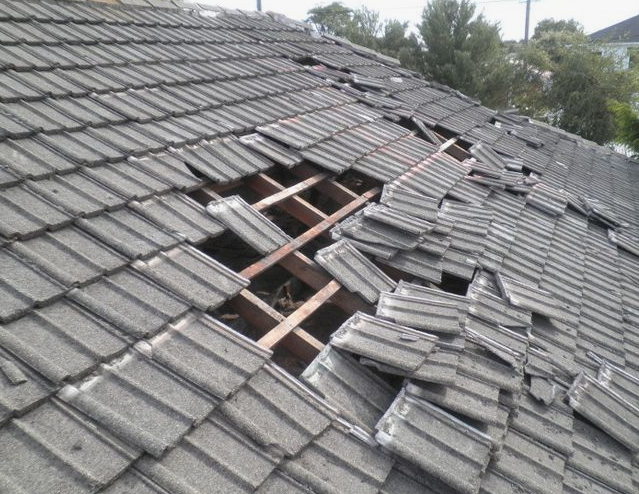
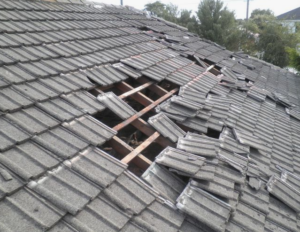
Severe weather can create roofing damage that is difficult to identify without professional experience. Hail may affect roofing surfaces, flashing, vents, and other exposed components, while strong winds can loosen materials or compromise edges and seams. Heavy rainfall can expose weaknesses around penetrations, drainage points, and flashing. A post-storm inspection can help establish whether the roof has sustained new damage and whether temporary measures are needed to protect the building from additional water intrusion. Documentation is particularly useful when the property owner intends to communicate with an insurance provider. Photographs, written observations, and repair estimates can help describe the physical condition of the roof, although insurance coverage and claim decisions depend on the individual policy and insurer. The contractor’s role should be to document actual conditions accurately and explain the recommended restoration work rather than promise a specific claim outcome.
Choosing a Qualified Commercial Roofing Inspector
The quality of an inspection depends on the experience and approach of the professional conducting it. Property owners should look for contractors with relevant commercial roofing experience, appropriate licensing and insurance, familiarity with the property’s specific roof system, and a willingness to provide clear documentation. A useful inspection should produce more than a vague statement that the roof is in good or poor condition. Property owners should receive understandable information about observed concerns, their relative importance, and potential next steps. It is also helpful to select a roofing company that can perform repairs or maintenance when problems are identified, as this can provide continuity between inspection and restoration. Legacy Roofing offers commercial roofing inspections, repairs, replacements, and storm-related services, allowing property owners to address a range of roofing needs through a coordinated process.
Using Inspection Reports for Maintenance and Budget Planning
A well-prepared inspection report can become an important property management tool. Instead of treating the report as a document that is reviewed once and forgotten, owners and facility managers can use it to create maintenance priorities and plan future expenditures. Issues can be categorized according to urgency, allowing immediate repairs to be separated from longer-term capital projects. Photographic documentation can also make it easier to compare the roof’s condition during subsequent inspections. For commercial properties with multiple roof sections or buildings, organized records can help managers track recurring concerns and identify areas that require additional attention. Budget planning becomes more predictable when property owners understand the approximate condition and remaining service expectations of their roofing systems. This approach can reduce the likelihood of unexpected expenses while supporting more responsible long-term property management.
Repair, Restoration, or Replacement?
An inspection should ultimately help property owners determine what type of action makes sense for the roof. Localized damage on an otherwise healthy system may be addressed through targeted repairs, while broader deterioration may call for restoration or replacement. Factors such as roof age, material condition, previous repairs, moisture intrusion, drainage performance, and the expected remaining service life should all be considered. Replacement should not be recommended solely because a roof has an isolated defect, just as repeated repairs should not continue indefinitely when the underlying system has reached the end of its practical service life. A qualified contractor can explain the advantages and limitations of each option and help the owner compare immediate costs with longer-term performance. This condition-based decision-making process gives businesses a better opportunity to invest their roofing budget where it provides the greatest practical benefit.
Conclusion
Professional commercial roof inspection services provide property owners with valuable information about one of the building’s most important protective systems. Regular assessments can uncover developing leaks, drainage concerns, membrane deterioration, storm damage, flashing problems, and other conditions before they cause greater disruption or expense. The most useful inspections combine careful evaluation with clear documentation and practical recommendations that property managers can use for maintenance, budgeting, insurance documentation, and future planning. Businesses should choose experienced roofing professionals who understand commercial systems and can explain findings without unnecessary pressure. By treating inspections as an ongoing part of property management rather than an emergency-only service, commercial property owners can make better roofing decisions, protect their buildings, and support reliable business operations over the long term.





Post Comment