How to Prepare Your Home Before Professional House Painters Arrive
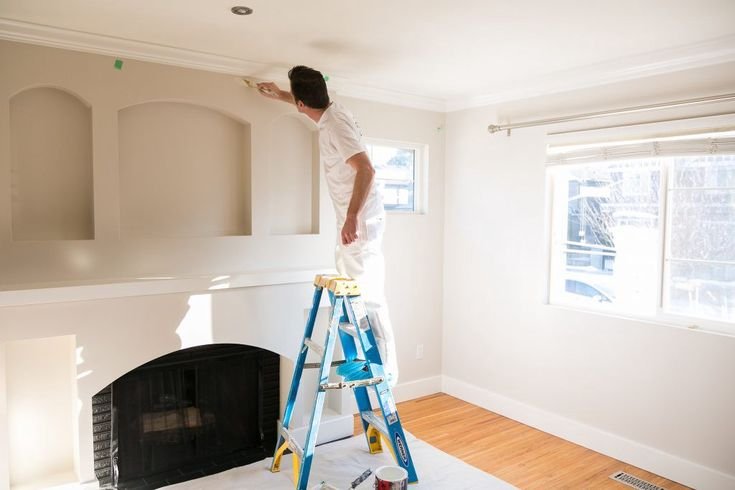
Having your home professionally painted can give your property a fresh, clean, and updated appearance. However, the quality of the final result does not depend only on the painters. Proper preparation before the painting crew arrives can make the project smoother, protect your belongings, and help the new paint look its best.
Whether you are refreshing a few rooms or planning a complete makeover, taking some time to prepare your home can prevent unnecessary delays and complications. Here are practical steps to take before the painting team begins work.
Remove Small and Valuable Items
Start by removing small decorations, photographs, artwork, lamps, plants, and other objects from the rooms being painted. Place these items in another room or store them safely in boxes.
Fragile and valuable belongings deserve extra attention. Professional House Painters, even with careful preparation, painting involves ladders, brushes, rollers, and other equipment moving around the room. Keeping valuable items away from the work area reduces the chance of accidental damage.
For larger furniture that cannot easily be removed, move it toward the center of the room. This gives the painters enough space to work around walls and corners.
Protect Your Furniture
Large furniture pieces should be covered properly before painting begins. Move sofas, beds, tables, cabinets, and other heavy items away from the walls whenever possible.
Use clean plastic sheeting or professional drop cloths to cover furniture. Make sure the coverings are secured so they do not slide during the project.
Professional painters typically bring their own protective materials, but preparing furniture in advance can make the process faster. Ask your painting contractor whether they will provide floor and furniture protection so you know what you need to handle yourself.
Clear the Walls
Before the painters arrive, remove wall-mounted items such as mirrors, clocks, shelves, paintings, and decorative pieces. Take out nails, screws, and hooks where appropriate.
Once the walls are clear, inspect them for small holes, cracks, dents, or other imperfections. Let the painting company know about these areas so they can determine whether patching or additional surface preparation is required.
A clean, accessible wall allows the painting crew to focus on preparation and application instead of spending unnecessary time moving objects.
Clean the Surfaces
Dust, dirt, grease, and grime can prevent paint from bonding properly with a surface. Cleaning the walls before painting is therefore an important part of preparation.
Pay special attention to kitchens, bathrooms, hallways, and other areas that experience frequent use. Greasy kitchen walls may require a suitable cleaning solution, while dusty walls can often be wiped down with a damp cloth.
If you are unsure which cleaning products are safe for your wall surface, ask the painting contractor before using anything. Some materials and finishes require special handling.
Take Care of Curtains and Blinds
Curtains, blinds, and other window coverings can interfere with painting. Remove them from the walls whenever possible and store them safely away from the work area.
If removing large blinds or curtain hardware is difficult, discuss it with the painting crew beforehand. They can tell you whether their team will remove and reinstall these items or whether you should arrange it yourself.
Keeping window treatments away from wet paint also helps prevent accidental stains.
Protect Floors
Floors are particularly vulnerable during a painting project. Paint can drip, splash, or accidentally transfer from shoes and equipment.
Hard flooring, tile, carpet, and wood surfaces should be protected with appropriate drop cloths or protective coverings. Do not assume that small paint drops will be easy to clean later. Some paint products can stain surfaces quickly.
If your painting contractor handles floor protection, confirm this before the project starts. If you are responsible for it, have the necessary materials ready before the crew arrives.
Make Repairs Before Painting
Painting can improve the appearance of your walls, but it cannot hide every structural or surface problem. Cracks, damaged drywall, loose trim, peeling areas, and water stains may need attention before paint is applied.
Walk through each room and identify areas that require repairs. Discuss these issues with the painting company before the scheduled start date.
This is especially important for larger projects. Professional House Painters may be able to handle minor preparation work, but major repairs may require a separate contractor or additional time and cost.
Remove Wall Plates and Hardware
Electrical outlet covers, switch plates, and similar removable hardware can be taken off before painting. Removing them helps create cleaner lines around switches and outlets.
Store screws and covers together in labeled bags so everything can be easily reinstalled afterward. If you are uncomfortable removing electrical components, leave the task to qualified professionals rather than taking unnecessary risks.
Door handles, cabinet hardware, and other items should also be discussed with the painting team if they are close to areas being painted.
Create Easy Access
The painting crew needs clear access to the rooms, walls, windows, and other surfaces. Remove unnecessary clutter from walkways and doorways.
If several rooms are being painted, establish a clear path for bringing in ladders, paint supplies, drop cloths, and other equipment.
You should also make sure parking or entry arrangements are clear if the painters need to carry large equipment into your home. Easy access can save valuable time and help the project stay on schedule.
Keep Children and Pets Away
Paint projects involve wet surfaces, ladders, tools, and potentially strong odors. Children and pets should stay away from active work areas.
If possible, create a separate area of the home where family members and pets can remain comfortably while painting is underway. Follow the contractor’s recommendations regarding ventilation and when it is safe to re-enter freshly painted rooms.
This simple precaution can make the project safer and less stressful for everyone.
Discuss Color and Finish Choices in Advance
Do not wait until painting day to make important decisions about colors, finishes, or accent walls. Confirm your choices with the contractor beforehand.
Check paint samples under different lighting conditions because colors can look different in natural and artificial light. Also confirm which surfaces will receive each finish.
For example, high-traffic areas may benefit from a durable finish, while certain living spaces may call for a different appearance. Planning these details ahead of time helps prevent confusion once the project begins.
If you are planning Interior House Painting, consider how colors will flow from one room to another. A consistent color strategy can make your home feel more connected and balanced.
Communicate Special Requirements
Every home is different, so tell the painting company about anything that could affect the project. Mention delicate flooring, difficult-to-access areas, previous paint problems, moisture concerns, or rooms that must remain available.
Good communication with Professional House Painters before the first day can reduce misunderstandings and help everyone understand what is expected.
It is also useful to confirm the estimated timeline, number of coats, preparation work, cleanup responsibilities, and areas included in the project.
Prepare for the Final Cleanup
Before the painters arrive, decide where equipment and materials can be placed during the project. At the end of each workday, ask how supplies will be stored and whether certain rooms will remain inaccessible.
Once the job is complete, inspect the painted surfaces in good lighting. Look for missed spots, uneven coverage, drips, or areas that need touch-ups. Discuss concerns with the contractor promptly.
For homeowners investing in Interior House Painting, a careful final walkthrough ensures that the finished work meets expectations.
Final Thoughts
Preparing your home before a painting project does not have to be complicated. Removing decorations, protecting furniture and floors, cleaning surfaces, clearing walkways, and communicating expectations can make a significant difference.
When you prepare properly, Professional House Painters can spend more time concentrating on surface preparation and quality application rather than dealing with unnecessary obstacles. The result can be a cleaner, more efficient project and a finish that gives your home the refreshed appearance you wanted.
Whether you are updating one bedroom or transforming the entire property, thoughtful preparation is one of the easiest ways to make your painting experience more organized and successful.






Post Comment