Is Your Car Ready for Rego? How Caboolture Car Owners Can Turn Unwanted Vehicles into Cash
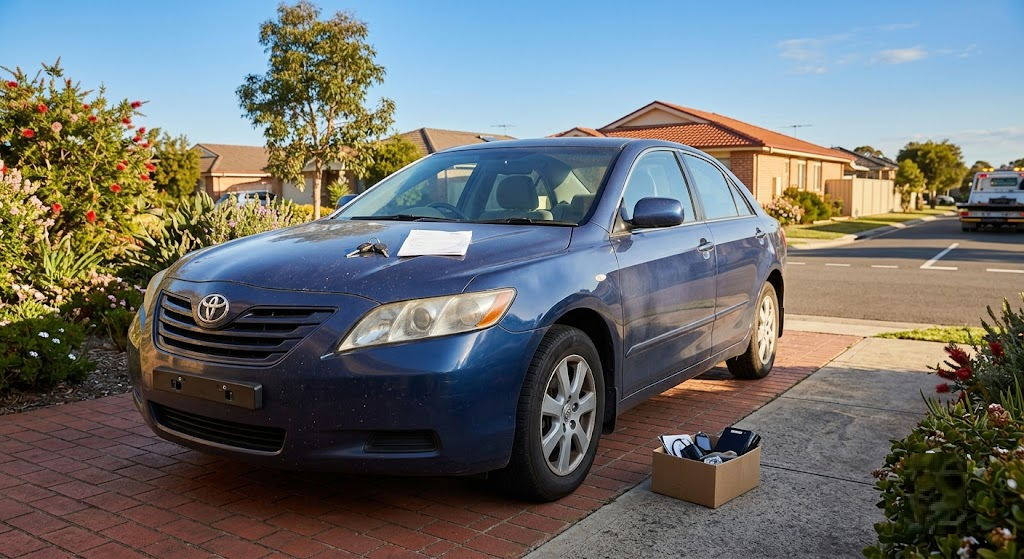
Deciding what to do with an ageing, damaged, or unregistered vehicle sitting in the driveway is a common dilemma for motorists across the Moreton Bay region. When inspection time rolls around and repair quotes start piling up, many vehicle owners find themselves weighing the cost of renewal against the vehicle’s actual market value. For those living in Caboolture and surrounding suburbs, navigating the rules around vehicle registration, safety certificates, and disposal can feel overwhelming.
Understanding your options when a car is no longer roadworthy—or simply too expensive to keep on the road—helps you make a practical decision. Rather than letting an unwanted vehicle depreciate further or accumulate rust in the yard, many local motorists choose to recycle or sell it. Exploring how local vehicle valuation works, what documentation is required under Queensland transport rules, and how to safely clear out space provides a straightforward path forward.
Understanding Vehicle Registration and Roadworthiness in Queensland
Vehicle registration—commonly referred to as “rego” in Australia—is a legal requirement for any vehicle driven on public roads in Queensland. Administered through the Department of Transport and Main Roads (TMR), the system ensures that vehicles meeting safety standards are the ones moving through local traffic.
However, maintaining an older vehicle can become financially burdensome. When a car reaches a certain age or incurs mechanical failure, the cost of servicing, buying new tyres, and repairing critical components often exceeds the vehicle’s total worth.
The Cost of Renewing an Aging Vehicle
Before paying for another six or twelve months of registration, vehicle owners typically need to consider several factors:
-
Safety Certificates (RWC): In Queensland, selling a registered vehicle privately requires a current safety certificate. If the vehicle fails inspection due to worn suspension, brake issues, or structural rust, repair costs can escalate rapidly.
-
Compulsory Third Party (CTP) Insurance: CTP insurance is bundled with registration, protecting against personal injury liability. For older cars with declining reliability, paying for comprehensive or reliable third-party coverage alongside registration may no longer make financial sense.
-
Ongoing Maintenance: Frequent breakdowns lead to towing fees, mechanic diagnostic charges, and replacement parts that drain personal finances without adding long-term value to the car.
When the expenses outweigh the utility, deciding to let go of the vehicle becomes a sensible financial choice.
The Reality of Unregistered Vehicles in Driveways
An unregistered vehicle parked on private property might seem harmless, but it brings hidden challenges. Over time, tyres deflate, batteries lose their charge, fluids can leak into the soil, and the bodywork deteriorates under the Queensland sun.
Furthermore, local council regulations regarding unregistered vehicles parked in open view can sometimes lead to notices or fines if local amenity guidelines are breached. For property owners looking to reclaim garage space, clear out side access, or improve overall curb appeal, removing a dormant vehicle is often a top priority.
However, selling an unregistered car privately through traditional online marketplaces can be difficult. Most private buyers are searching for reliable, ready-to-drive transport for daily commuting and are reluctant to purchase a project car that requires towing, mechanical work, and a separate trip for a safety inspection.
Exploring Alternative Disposal Options for Old Cars
When private sale platforms fail to attract buyers, vehicle owners generally look at a few alternative avenues to clear the property and recover some value from the asset.
1. Private Salvage and Parts Sales
Some enthusiasts strip vehicles down to individual components to sell online. While this can yield money over an extended period, it requires mechanical tools, automotive knowledge, safe disposal methods for fluids like engine oil and coolant, and plenty of storage space for leftover parts. For most busy households, this approach is simply too time-consuming.
2. Local Council and Charity Schemes
Some charitable organisations accept vehicle donations, which can provide personal satisfaction. However, donors must verify whether the charity accepts non-running vehicles and whether they cover towing expenses from regional or suburban locations like Caboolture.
3. Professional Vehicle Removal and Recycling Services
For a fast, practical solution, local car removal services specialize in handling unwanted, damaged, or unregistered vehicles. These operators manage the heavy lifting, provide appropriate towing equipment, and ensure the vehicle is processed responsibly through licensed dismantling and recycling facilities. This approach allows vehicle owners to clear space quickly while receiving a fair payout based on the car’s weight, metal content, and salvageable parts.
Preparing Your Vehicle for Removal
If you decide that selling or recycling your unwanted vehicle is the best course of action, a few simple preparation steps ensure a smooth transaction.
-
Remove Personal Belongings: Check the glove box, centre console, door pockets, boot, and under the seats for toll tags, sunglasses, service books, and personal items.
-
Gather Documentation: Have proof of identity and ownership ready. While unregistered vehicles do not require a current safety certificate when sold to a licensed dealer or dismantler, proving ownership is essential.
-
Cancel Insurance and Toll Accounts: Contact your insurance provider to cancel or pause your policy and remove the vehicle from any electronic toll accounts linked to your registration plates.
-
Remove Number Plates: In Queensland, it is standard practice to remove the physical registration plates from the vehicle and return them to a TMR customer service centre or cancel them online to receive any applicable registration refunds.
Environmental Responsibility in Modern Car Recycling
Modern automotive recycling goes far beyond simply crushing metal. End-of-life vehicles contain various hazardous fluids and materials that require careful handling to prevent environmental contamination.
Licensed recycling facilities follow strict environmental guidelines to drain and safely dispose of:
-
Engine oil and transmission fluid
-
Coolant and brake fluid
-
Lead-acid batteries
-
Air conditioning refrigerant gases
Once these fluids are safely extracted, reusable mechanical components are salvaged for secondary use, and the remaining steel body is crushed and sent to metal recycling plants to be melted down and repurposed. This circular economy model reduces the demand for raw iron ore mining and minimises industrial waste in local communities.
Conclusion
Managing an unwanted or unregistered car doesn’t have to be a stressful chore. Whether your vehicle has failed inspection, suffered mechanical failure, or simply reached the end of its useful life, understanding your options helps you turn dead weight into practical value. By clearing out driveway space and choosing responsible recycling methods, local motorists can tidy up their properties while supporting sustainable automotive practices across the region. For vehicle owners looking for a seamless removal process, exploring professional services such as cash for cars Caboolture offers a straightforward, efficient way to handle vehicle disposal without the headaches of private advertising.
Frequently Asked Questions
Do I need a Roadworthy Certificate (RWC) to sell an unregistered car in Caboolture?
No. In Queensland, a safety certificate is only legally required if you are offering a registered vehicle for sale to a private buyer. If you are selling an unregistered car to a licensed dealer, auto dismantler, or car removal service, you do not need to obtain a safety certificate beforehand.
What documents do I need to prove ownership of my car?
To complete the sale, you generally need a valid photo ID (such as a Queensland driver’s licence or passport) and proof that you are the rightful owner of the vehicle, such as past registration papers, maintenance records, or a signed bill of sale.
Can a car be removed if it is parked in a tight or difficult spot?
Yes, professional removal operators utilize specialized tow trucks, such as tilt trays and winch systems, capable of extracting vehicles from narrow driveways, carports, backyards, or underground parking areas, provided there is safe vehicle access to the property.
What happens to my remaining vehicle registration?
When you sell or dispose of your vehicle, you can remove the number plates and take them to a Department of Transport and Main Roads (TMR) customer service centre, or complete the cancellation online. TMR will calculate any eligible refund for the remaining full months left on your registration term and issue it to you.
Are there any hidden fees for towing or vehicle removal?
Reputable car removal services typically offer free towing and vehicle pickup as part of their service package. It is always wise to confirm upfront with the provider that no extra charges apply for towing or administrative paperwork in your specific suburb.


Post Comment