How to Choose Kitchen Cabinets That Never Go Out of Style
Cabinets are a major investment, so choosing them can feel risky. A color may look perfect in a showroom today but feel dated five years later. Decorative doors can also lose their appeal once design trends move in another direction.Timeless Kitchen Cabinetry does not have to look plain. It simply needs balanced proportions, durable materials, and a finish that works with the rest of the home. These qualities allow the kitchen to age naturally instead of looking tied to one short period.
No cabinet design is completely protected from changing tastes. Still, some choices remain appealing far longer than others. Simple doors, thoughtful colors, dependable hardware, and strong construction provide a flexible foundation. You can then update lighting, paint, or accessories without replacing the entire kitchen.
For Brookfield homeowners, the goal is to respect the home’s character while creating a kitchen that still feels fresh years from now.
Timeless Cabinets Feel Calm Without Looking Boring
A timeless kitchen rarely demands attention from every direction. Its cabinets have clear lines and balanced proportions. There may be character, but the details do not compete with the countertops, flooring, backsplash, and furniture.That does not mean every cabinet must be white or completely flat. Natural wood, soft color, and framed doors can all age beautifully. The key is restraint. One or two strong elements usually feel more settled than several competing features.
Think of the cabinets as the room’s foundation. Paint, lighting, stools, hardware, and décor are easier to change later. Cabinet boxes and doors are more expensive to replace. A long-lasting kitchen cabinet design keeps fixed elements calm while allowing personality through smaller updates.A deep navy island, for example, can bring color into a room with warm white wall cabinets. If your taste changes, repainting one island is easier than replacing every door. Timeless design leaves space for those future adjustments.
Choose Kitchen Cabinetry That Fits the Home
Cabinets should feel connected to the property around them. A highly glossy, ultra-minimal kitchen may look impressive in a photo. Yet it could feel out of place inside a Brookfield home with traditional trim, divided windows, and warm wood flooring.Look beyond the kitchen itself. Notice the interior doors, baseboards, fireplace details, and nearby furniture. The cabinet profile does not need to copy them exactly. It should simply speak the same visual language.
Homes with simple architectural details often suit flat-panel or lightly framed doors. A transitional home may work well with Shaker or recessed-panel designs. More traditional properties can carry extra molding, but restraint still matters.
Let the Door Shape Do Less
Door style has a strong effect on how quickly cabinets appear dated. Heavy arches, layered trim, and ornate carving can tie a kitchen to a specific era. Cleaner profiles offer more freedom when surrounding trends change.Shaker and other classic cabinet door styles remain useful because they sit between plain and decorative. Their simple frames provide enough detail to feel finished without controlling the entire room. Flat-panel doors can also last when their finish and proportions suit the house.
Avoid selecting a door only because it dominates current social media posts. Ask a better question: Would this profile still suit the architecture if the wall color, backsplash, and hardware changed?
Why Recessed Panel Kitchen Cabinetry Ages Gracefully
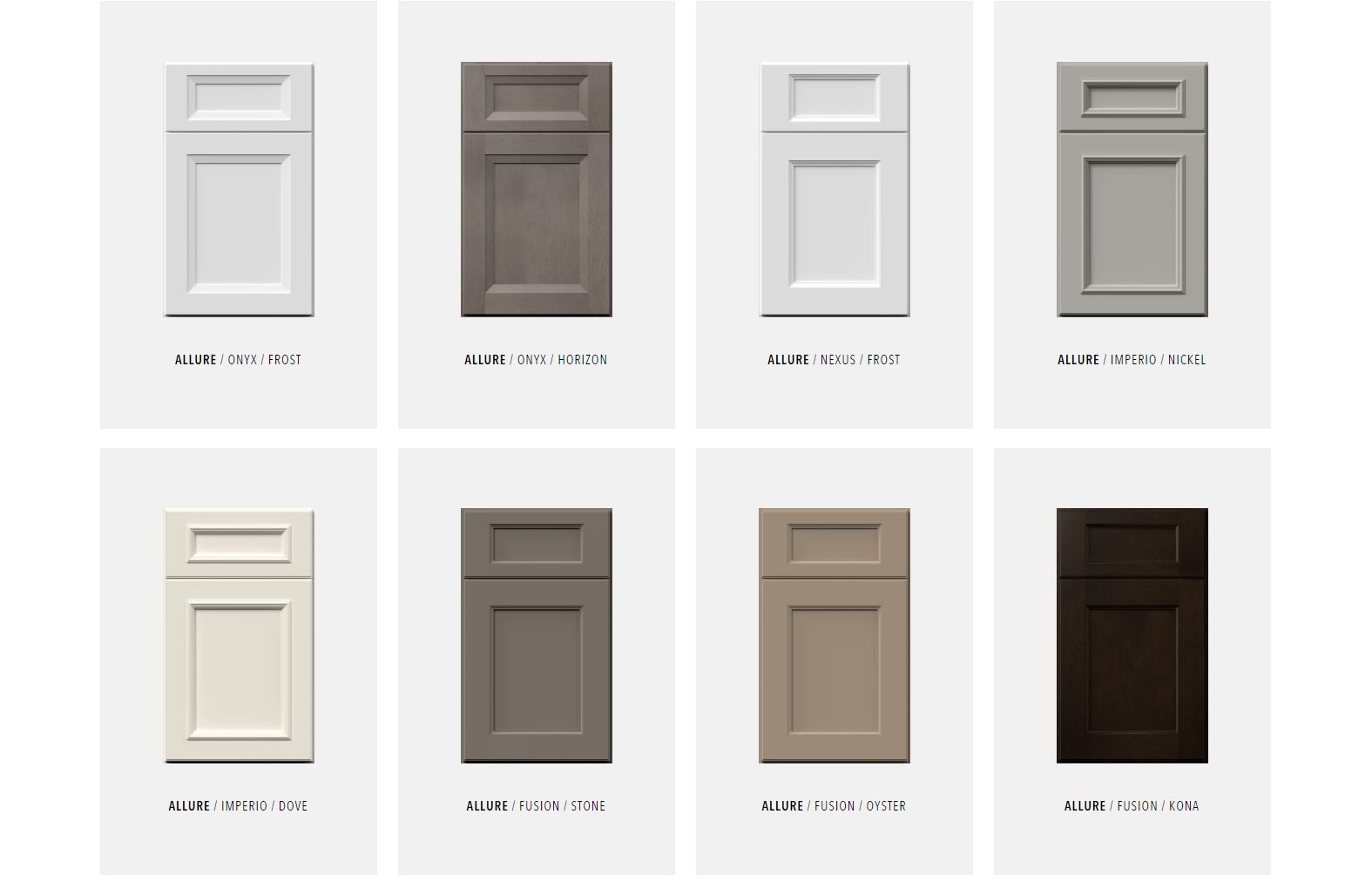
Recessed panel kitchen cabinetry offers a useful middle ground. The center panel sits slightly behind the surrounding frame, adding depth without heavy decoration. This makes the style easy to pair with traditional, transitional, and lightly modern interiors.The design can look classic in natural wood and cleaner in a painted finish. Simple bar pulls may give it a current feel. Knobs and cup pulls can move it in a more traditional direction. The cabinet doors remain the same while smaller details adjust the mood.
This flexibility is helpful for long-term ownership. A homeowner can change the wall paint or hardware without making the door style feel out of place. Recessed panel cabinet doors also work with several countertop materials, including quartz, granite, and wood.
Pay Attention to Scale and Edges
Not every recessed door looks equally timeless. Wide rails and simple inner edges tend to feel calmer. Narrow frames or deeply carved edges may appear busier, especially across a large wall.Maintenance deserves attention too. Panel edges can catch dust and cooking residue. A smooth, durable finish makes routine wiping easier. Highly detailed framed kitchen cabinet fronts require more cleaning than versions with a restrained profile.
View a full-size sample rather than relying on a small color chip. The shadow lines and frame width become much clearer when you see an entire door.
Select Colors That Allow the Kitchen to Change
Color trends move quickly. Bright white once dominated kitchen design, followed by cool gray, dark blue, and several shades of green. A timeless choice does not require ignoring color. It requires choosing a shade that works with permanent surfaces and natural light.Warm white, cream, taupe, muted green, and natural wood often provide flexibility. Soft colors tend to pair with more countertop and flooring options than sharp or highly saturated shades. However, the right neutral depends on the room.
A cool white cabinet may look crisp beside gray quartz but harsh next to warm oak flooring. Cream can feel inviting under warm lighting but slightly yellow in a bright room. Brookfield’s changing daylight also affects how painted finishes appear throughout the year.Bring door samples into the kitchen and view them during morning, afternoon, and evening. Place them beside the flooring and countertop sample. Artificial showroom lighting can hide undertones that become obvious at home.
Natural wood deserves similar care. Grain pattern, stain color, and wood species all influence the final look. Medium wood tones often age more quietly than extreme orange, gray, or nearly black stains.
Construction Quality Outlasts a Fashionable Finish
A cabinet cannot feel timeless if it starts showing damage after a few years. Peeling finishes, loose hinges, sagging shelves, and drawers that stick will make even a classic design feel tired.Ask what sits behind the door. Review the cabinet-box material, back panels, shelf thickness, drawer joints, and hardware. Full-extension drawer slides provide better access, while soft-close hardware reduces slamming and daily impact.
Good quality kitchen cabinet construction should match the way the kitchen will be used. A family kitchen handles moisture, spills, heavy cookware, and constant opening. Thin shelves may bend under stacked dishes. Weak drawer bottoms can struggle with pots and small appliances.Finish quality matters as well. Painted cabinets need proper surface preparation and a coating suited to kitchen conditions. Wood finishes should resist normal moisture and cleaning. Ask how the finish should be maintained and which products to avoid.
A cheaper cabinet may save money at the start. However, early repairs or replacement doors can reduce that saving. Compare warranties, materials, and hardware rather than judging value from appearance alone.
Avoid Details That Can Date the Room Quickly
Here is where a timeless plan can slip: too many fashionable elements are fixed into the cabinets. Unusual door shapes, heavily glazed finishes, oversized molding, and extreme color combinations may look exciting at first. Later, they can be difficult and expensive to change.Mixing several cabinet colors also needs care. Two finishes can create useful contrast. Three or four may make the kitchen feel divided. The same applies to hardware. A distinctive finish is easier to replace than decorative doors, but hundreds of unusual handle holes may limit future choices.
Do not assume every feature labeled “classic” will suit your home. Ornate corbels may belong in a formal traditional kitchen but feel forced in a clean transitional space. Likewise, plain slab doors may appear disconnected from a house filled with detailed millwork.Cost should guide where personality is placed. Spend on durable boxes, reliable drawers, and a door profile you genuinely like. Use lighting, stools, rugs, and accessories for bolder trends. Those items can change without starting another cabinet project.
Create a Lasting Kitchen Without Losing Personality
A safe design does not need to feel generic. Personal style can appear through wood tone, an island color, meaningful display pieces, or a backsplash that suits the family. The trick is knowing which elements are easy to replace.Start with cabinets that support the home’s architecture. Then layer in character through hardware, lighting, and nearby finishes. This creates an enduring cabinet design while still allowing the kitchen to feel personal.
Picture warm white recessed doors paired with natural wood accents and simple brass hardware. The combination feels welcoming today. Years later, the hardware could change to black or nickel, and the room would still make sense.A 3D plan can reveal whether colors, door proportions, and decorative details feel balanced across the whole room. Cabinets MKE can help Brookfield homeowners compare these choices before ordering. Physical samples should still be viewed inside the home, since screens cannot show exact color or texture.
Timelessness is not about predicting every future trend. It is about choosing a flexible foundation that will not fight future updates.
FAQs
Which cabinet door style stays current the longest?
Simple Shaker, recessed-panel, and flat-panel doors tend to age well. The right choice depends on the home’s architecture and surrounding finishes.
Do white kitchen cabinets go out of style?
White cabinets remain flexible, but the undertone matters. A warm white may suit wood floors, while a cooler white may work better with gray surfaces.
Are natural-wood cabinets timeless?
Natural wood can age beautifully when the grain and stain feel balanced. Medium, natural-looking tones often adapt better than extreme orange, gray, or dark stains.
Can recessed-panel doors work in a modern kitchen?
Yes. Choose a simple frame, smooth finish, and clean hardware. Pairing them with restrained countertops and lighting can create a lighter, more current appearance.
Which cabinet hardware ages well?
Simple knobs, cup pulls, and straight bar pulls usually adapt to several styles. Standard hole spacing also makes future replacement easier.
Should cabinets match the home’s architecture?
They should relate to it, though an exact match is unnecessary. Shared proportions, lines, or wood tones can make the kitchen feel connected to nearby rooms.
How should I test cabinet colors before ordering?
View full-size door samples inside the kitchen. Check them during different times of day and beside the planned flooring, countertop, and backsplash.





Post Comment