How Car Removal Supports Eco-Friendly Vehicle Recycling
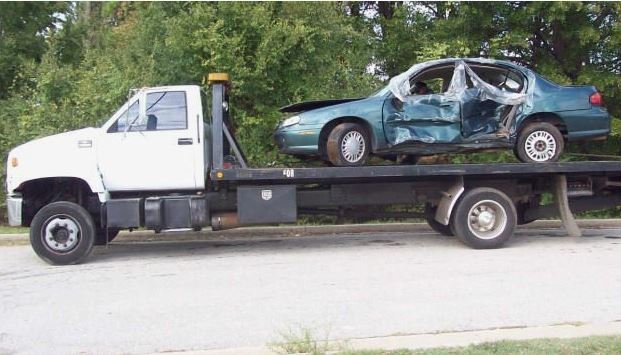
Every vehicle reaches the end of its useful life at some point. Whether it has been damaged in an accident, suffered major mechanical problems, or simply become too expensive to maintain, keeping an old vehicle parked in a driveway or garage often creates more problems than solutions. Instead of allowing unused cars to deteriorate, professional car removal services offer a practical way to dispose of them responsibly while supporting environmentally friendly recycling practices.
Many people assume that an old or damaged vehicle has little value once it stops running. In reality, these vehicles contain a wide range of reusable materials, including steel, aluminum, copper, rubber, plastics, and glass. Businesses offering cash for scrap cars Sydney services make it easier for owners to remove unwanted vehicles while ensuring that valuable materials are recovered instead of ending up in landfill. This process benefits vehicle owners, recycling facilities, and the environment at the same time.
The Growing Importance of Vehicle Recycling
Millions of vehicles are retired around the world every year. Without proper recycling systems, abandoned cars can become environmental hazards. Fluids such as engine oil, transmission fluid, coolant, brake fluid, and fuel may leak into the soil or nearby waterways, causing contamination that can take years to clean up.
Vehicle recycling reduces these risks by ensuring that hazardous materials are safely removed before the car is dismantled. This organized process protects local ecosystems while allowing recyclable components to be processed correctly. Instead of creating unnecessary waste, end-of-life vehicles become valuable sources of raw materials for manufacturing new products.
How Car Removal Starts the Recycling Process
The recycling journey begins when a vehicle owner arranges for a professional removal service. Once collected, the vehicle is transported to an authorized recycling or dismantling facility where trained technicians inspect its condition.
The first step involves safely draining all hazardous fluids. Batteries, airbags, tyres, and other potentially harmful components are also removed following environmental guidelines. This careful preparation prevents pollution while making the remaining vehicle ready for dismantling.
After hazardous materials are removed, usable parts are inspected for resale or refurbishment. Components such as engines, gearboxes, alternators, radiators, doors, mirrors, wheels, and electronic systems may still have significant value. These parts can often be reused in other vehicles, reducing the demand for newly manufactured replacements.
Recovering Valuable Materials
Modern vehicles contain large amounts of recyclable materials. Steel alone makes up a significant portion of most cars, and it can be recycled repeatedly without losing its strength or quality.
After reusable parts are removed, the remaining vehicle shell is crushed and processed through industrial shredders. Advanced sorting equipment separates different materials using magnets, air classification systems, and specialized technologies.
Recovered materials commonly include:
- Steel
- Aluminum
- Copper
- Brass
- Plastic
- Glass
- Rubber
These materials are then supplied to manufacturers, where they become raw materials for producing new vehicles, construction materials, household appliances, and countless other products.
Reducing Landfill Waste
One of the greatest environmental benefits of professional car removal is reducing landfill waste. Vehicles are far too large and complex to be disposed of like ordinary household rubbish. Sending complete vehicles to landfill wastes valuable resources while creating long-term environmental concerns.
Through proper dismantling and recycling, the majority of a vehicle’s materials can be recovered and reused. This significantly reduces the amount of waste requiring disposal and helps conserve limited landfill space for materials that cannot be recycled.
Conserving Natural Resources
Manufacturing metals from raw ore requires enormous amounts of energy, mining activity, and water consumption. Recycling existing vehicle materials dramatically reduces the need for extracting new natural resources.
For example, recycled steel requires considerably less energy to process than producing new steel from iron ore. The same applies to aluminum, which is one of the most energy-intensive metals to manufacture from raw materials.
By recycling old vehicles, industries reduce mining operations, lower greenhouse gas emissions, and decrease overall environmental impact.
Lowering Carbon Emissions
Every stage of manufacturing new automotive materials contributes to carbon emissions. Mining, transportation, refining, and production all require significant energy.
Vehicle recycling reduces these emissions because recycled materials generally require much less processing than virgin materials. Manufacturers can produce new products using recycled metals while consuming less energy and generating fewer greenhouse gases.
This makes vehicle recycling an important contributor to broader environmental sustainability efforts.
Extending the Life of Automotive Parts
Not every component from an old vehicle has reached the end of its lifespan. Many parts remain in excellent working condition even after the vehicle itself is no longer roadworthy.
Professional dismantlers carefully inspect these components before offering them for reuse. This extends the life of valuable automotive parts while providing affordable replacement options for repair shops and vehicle owners.
Reusing existing parts also reduces manufacturing demand, saving energy and conserving valuable resources.
Preventing Environmental Contamination
Abandoned vehicles often leak fluids that pose serious environmental risks. Oil, coolant, transmission fluid, fuel, and battery acid can seep into the ground, polluting soil and groundwater.
Professional recycling facilities follow strict procedures to safely remove and store these substances before dismantling begins. Hazardous materials are then treated, recycled, or disposed of according to environmental regulations.
This careful handling helps protect wildlife, waterways, agricultural land, and surrounding communities.
Supporting the Circular Economy
Vehicle recycling plays an important role in the circular economy, where products and materials remain in use for as long as possible instead of being discarded after a single use.
Rather than viewing end-of-life vehicles as waste, recycling transforms them into valuable resources. Metals return to manufacturing, reusable components enter the spare parts market, and recyclable materials become inputs for new products.
This continuous cycle minimizes waste while maximizing resource efficiency.
Benefits for Vehicle Owners
Eco-friendly car removal is not only beneficial for the environment but also convenient for vehicle owners. Instead of paying storage costs or struggling to sell an unwanted vehicle privately, owners can arrange professional collection and responsible disposal.
Additional benefits often include:
- Convenient vehicle collection
- Safe disposal of damaged or non-running vehicles
- Removal of unwanted cars occupying valuable space
- Responsible recycling practices
- Opportunity to receive payment for vehicles that are no longer usable
These advantages make professional car removal a practical solution for managing end-of-life vehicles.
Why Responsible Recycling Matters
As vehicle ownership continues to grow, proper recycling becomes increasingly important. Every recycled vehicle reduces pressure on natural resources, lowers manufacturing emissions, decreases landfill waste, and supports sustainable production practices.
Consumers also play an important role by choosing licensed recycling services that follow environmentally responsible processes. Proper disposal ensures that hazardous materials are managed safely while valuable resources remain in circulation.
Whether a vehicle is old, accident-damaged, or no longer roadworthy, responsible recycling helps create positive environmental outcomes that extend far beyond a single vehicle.
For many owners looking to dispose of unwanted vehicles responsibly, experienced car wreckers Sydney NSW contribute to this process by dismantling vehicles carefully, recovering reusable components, and ensuring recyclable materials are returned to the manufacturing cycle instead of becoming unnecessary waste.
Conclusion
Car removal is much more than simply towing away unwanted vehicles. It serves as the first step in a comprehensive recycling process that protects the environment, conserves natural resources, reduces landfill waste, and supports sustainable manufacturing. From safely removing hazardous materials to recovering reusable parts and recyclable metals, every stage contributes to a cleaner and more resource-efficient future.
Choosing professional vehicle recycling ensures that end-of-life cars continue to provide value long after they leave the road. By supporting responsible recycling practices, vehicle owners help reduce environmental impact while contributing to a circular economy that benefits both current and future generations.





Post Comment