High-End Residential Design Mistakes That Can Cost Homeowners Thousands
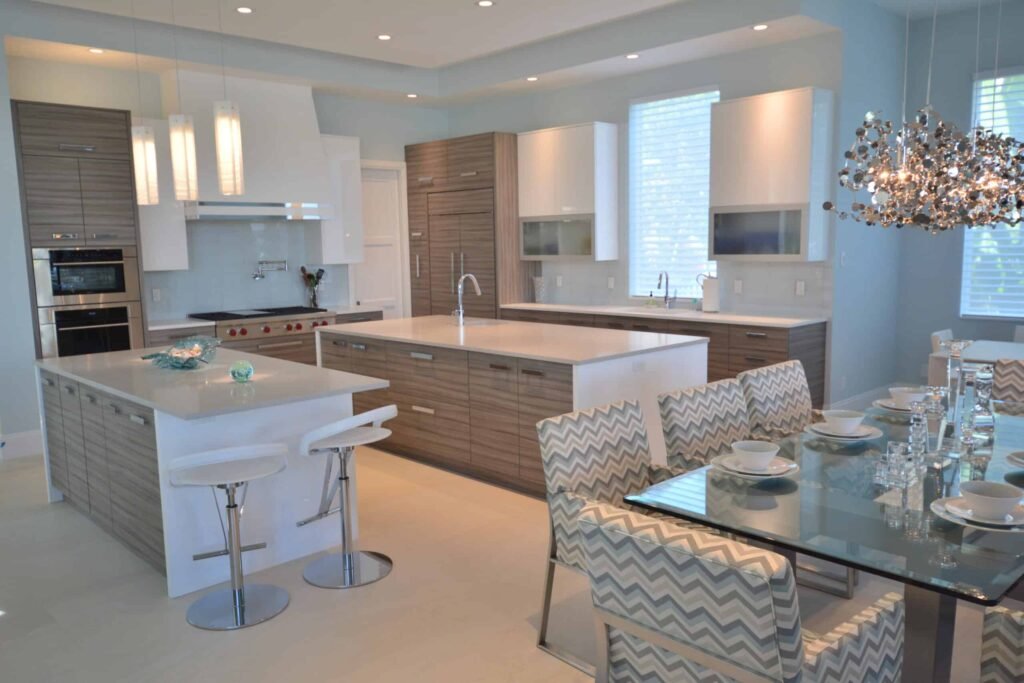
Homeowners who invest in luxury builds or premium renovations expect quality outcomes. But costly errors in planning, specification, and contractor selection can erode that investment rapidly. For anyone pursuing High-End Residential Design Sydney projects, understanding where things go wrong before construction begins is the most effective way to protect both budget and liveability. The mistakes covered in this article are not theoretical they occur on real projects across every price bracket and can cost homeowners anywhere from several thousand to hundreds of thousands of dollars to resolve.
Prioritising Aesthetics Over Functionality
One of the most persistent mistakes in luxury residential design is allowing visual appeal to overshadow practical livability. A grand foyer with soaring ceilings may photograph beautifully, but if it leads into a poorly connected floor plan where the kitchen is separated from the dining area by a lengthy corridor, the day-to-day experience of living in the home suffers considerably.
High-end design should always begin with how the occupants will move through and use the space. Traffic flow, natural light penetration, storage integration, and acoustic separation between private and communal zones are architectural fundamentals that no amount of premium marble benchtops or custom joinery can compensate for. Homeowners who invest heavily in finishes without first locking in a sound spatial layout often find themselves spending significant sums on costly structural modifications years later.
Underestimating the True Cost of Premium Materials
There is a well-documented gap between what homeowners budget for high-spec materials and what those materials actually cost once procurement, freight, lead times, and installation are factored in. Imported stone, bespoke cabinetry, large-format porcelain tiles, and specialty glazing systems all carry price tags that escalate rapidly when the full supply chain is considered.
A common scenario involves a homeowner selecting a particular natural stone for a kitchen island, only to discover that the slab size required for a seamless finish means a significant portion of the stone is wasted. When combined with the cost of specialist stonemasons and sealing treatments, the final invoice can be two or three times the original estimate. Experienced luxury builders and interior designers always present clients with a fully costed material schedule well before any selections are finalised, including allowances for wastage, breakage, and extended lead times on imported goods.
Neglecting Environmental and Climate Considerations
Australia’s climate diversity demands that residential design account for local conditions far more rigorously than is often practised at the luxury end of the market. A stunning glass-walled home overlooking Sydney Harbour may look spectacular in the architectural renders, but without correctly specified shading systems, thermally broken glazing, and cross-ventilation strategies, the property can become uncomfortable for a significant portion of the year and prohibitively expensive to cool.
Passive solar design principles, orientation, eave depth, roof pitch, and insulation specifications are not afterthoughts. They are integral to the performance of a high-end home. When these elements are neglected in favour of a purely aesthetic-driven brief, homeowners invariably face ongoing energy costs that compound over time. Retrofitting solar shading or double-glazing after construction is both disruptive and costly, and in heritage or body corporate contexts, it may not even be permissible.
Skipping Independent Cost Planning
Many homeowners engaging directly with architects or boutique design studios bypass the step of appointing an independent quantity surveyor or cost planner. This is a costly oversight. Without independent verification of estimates at each design stage, it is remarkably easy for a project to be significantly under-budgeted at the concept phase and for that gap to only become apparent once tenders are returned at which point the design may already be fully developed and the homeowner is committed emotionally and contractually.
An independent cost planner reviews the design documentation against current market rates for labour and materials, flags design elements that carry disproportionate cost risk, and provides realistic contingency advice. For any project above a certain threshold, this service pays for itself many times over. Learn more: https://www.popovbass.com.au/contact/
Choosing the Wrong Contractor for the Specification Level
Luxury residential design demands a calibre of craftsmanship that not every builder can deliver. One of the most expensive mistakes a homeowner can make is awarding a premium build contract to a builder whose portfolio and subcontractor relationships do not match the complexity or finish quality required.
Signs that a builder may be under-qualified for a high-specification project include vague or insufficiently detailed contracts, reluctance to provide subcontractor references, limited experience with the specific products specified by the designer, and an absence of a dedicated site supervisor. When a builder is out of their depth, the consequences manifest as remediation costs, protracted disputes, and, in serious cases, structural defects that require expert rectification. Diligent due diligence at the tender and interview stage is non-negotiable in the luxury sector.
Overlooking Acoustic Design
In standard residential construction, acoustics are rarely a primary consideration. In high-end design, they absolutely should be. Noise transfer between floors, into bedrooms from living areas, and from adjacent streets or neighbours can dramatically diminish the quality of life in an otherwise exceptional home.
Acoustic mitigation at the design stage through correctly specified floor build-ups, resilient ceiling mounts, door seals, and window glazing ratings is a fraction of the cost of addressing noise issues after handover. Remedial acoustic work in a completed home is invasive, expensive, and frequently requires elements of the finished interior to be dismantled. This is a design consideration that warrants specialist input, particularly for homes in urban locations or with open-plan configurations.
Frequently Asked Questions
Q. What are the most common high-end residential design mistakes homeowners make?
A: The most frequently encountered mistakes include prioritising visual appeal over functional layout, underestimating true material and installation costs, and failing to engage independent cost planning at the early design stage. Each of these can contribute to significant budget overruns and post-construction remediation expenses.
Q. How much can poor design decisions realistically cost a homeowner?
A: Depending on the scale of the project, avoidable design errors can cost homeowners anywhere from several thousand dollars for minor finish corrections to hundreds of thousands for structural modifications or acoustic remediation. Projects where environmental performance has been neglected also generate sustained energy costs that compound considerably over the lifetime of the home.
Q. Should I hire an architect or an interior designer for a luxury residential project?
A: For new builds or major structural renovations, engaging a registered architect is strongly advisable, as they hold formal qualifications in structural integration, building compliance, and spatial planning. An interior designer works best in collaboration with the architect to refine the aesthetic direction, material selections, and spatial atmosphere once the core design framework is established.
The Role of Specification Detail in Preventing Cost Blowouts
One area where luxury residential projects routinely run into difficulty is insufficient documentation at the specification stage. When drawings and specifications are vague or incomplete, builders are forced to make assumptions that may not align with the designer’s intent. This leads to variations contractual amendments that almost always result in cost increases and timeline extensions.
A fully coordinated set of documentation, including detailed architectural drawings, engineering plans, interior schedules, finishes schedules, and a comprehensive specification document, reduces the opportunity for misinterpretation and provides a clear benchmark for quality control throughout the build. Homeowners should insist on this level of documentation before any contractor is appointed.
Rushing the Brief Development Stage
Experienced architects and luxury builders consistently observe that the projects which encounter the fewest problems are those where the most time was invested in developing the brief. A thorough brief captures not only the functional requirements of the home but also the lifestyle of the occupants, their aesthetic preferences, how they entertain, any future planning considerations, and their realistic budget parameters.
When homeowners rush this foundational stage in their eagerness to begin construction, the design process becomes reactive rather than considered. Changes requested mid-construction even seemingly minor ones carry significant cost implications that a more deliberate briefing process would have avoided entirely.
Conclusion
High-end residential design is a discipline that rewards patience, rigour, and the right team of professionals working in genuine collaboration. The mistakes outlined here are not rare edge cases; they occur regularly on luxury projects of all scales and budgets. By understanding where costs most commonly spiral and where the consequences of poor decisions are hardest to reverse, homeowners are far better positioned to protect their investment and achieve an outcome that genuinely reflects the quality they have set out to create.
Engaging qualified, experienced professionals and listening to their counsel at each stage remains the most reliable safeguard against the kind of avoidable errors that turn a dream home into a prolonged and expensive ordeal.






Post Comment