Free Stock Data API: A Beginner’s Guide to Real-Time Market Data
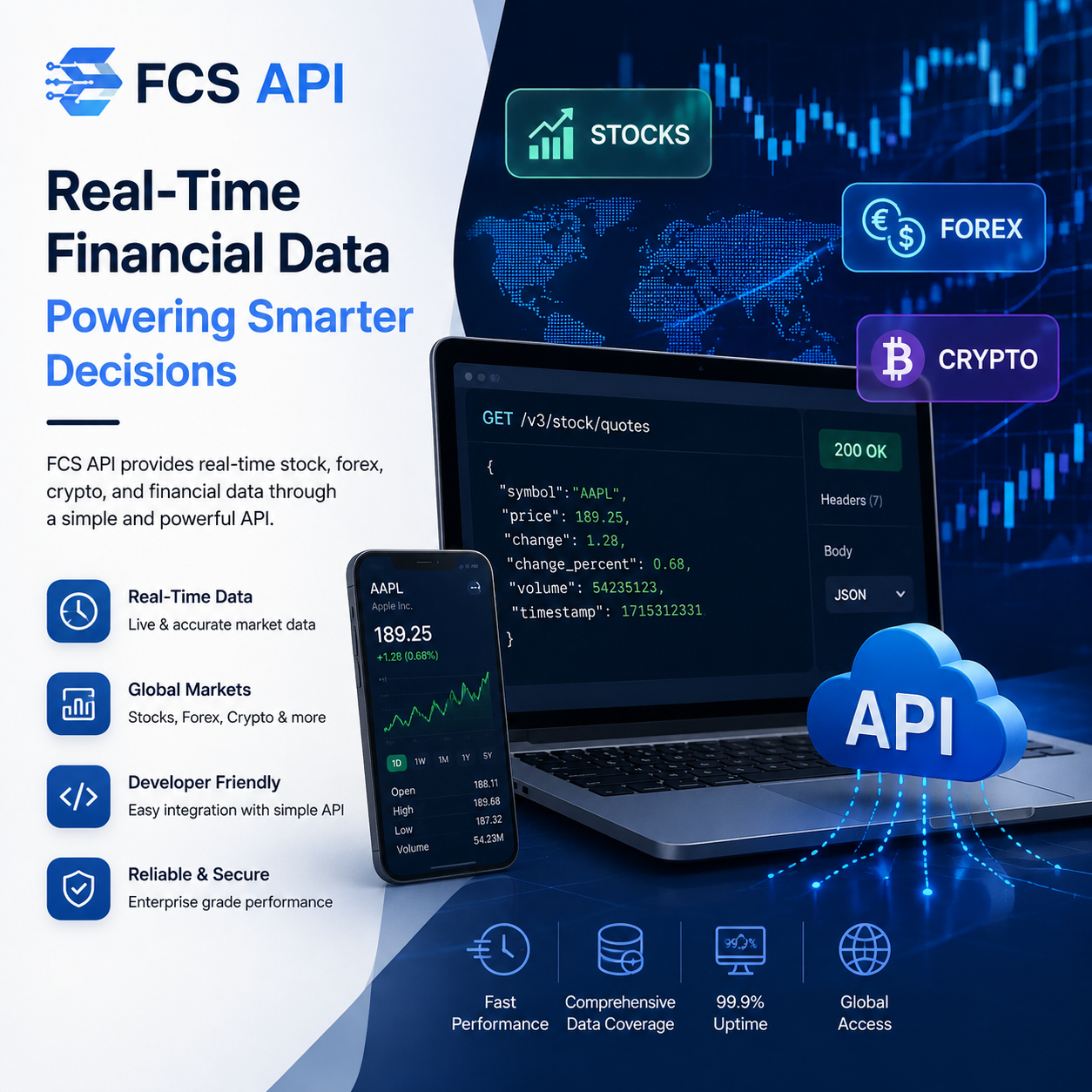
Financial markets generate a huge amount of information every day. Stock prices move, trading activity changes, companies release updates, and economic events can influence market trends. For investors, traders, businesses, and developers, having easy access to financial information is important for understanding what is happening in the market.
However, collecting financial data manually can be difficult and time-consuming. This is where a Free Stock Data API can help. An API allows applications and websites to connect with financial data and retrieve information in a structured way. Instead of manually checking different sources, developers can integrate market data into their own applications.
For beginners, understanding how a free stock market api works can open the door to building useful financial tools, dashboards, stock trackers, and research applications. This guide explains what stock data APIs are, how they work, their benefits, and what beginners should consider before using one.
What Is a Free Stock Data API?
A Free Stock Data API is an application programming interface that provides access to stock market information. Developers can use API requests to retrieve available financial data and integrate it into websites, software, dashboards, and other applications.
Understanding the Term API
API stands for Application Programming Interface. In simple words, it allows two different software systems to communicate with each other.
For example, imagine you are building a website that displays stock prices. Instead of creating your own system to collect stock prices from financial markets, you can connect the website to an API that provides the required information.
The website sends a request, the API processes it, and the application receives a response containing the requested data.
What Can a Stock API Provide?
The information available depends on the API provider and its endpoints. A stock API may provide information such as current prices, historical prices, company information, market statistics, and other financial data.
Some financial APIs also provide information about other markets, including cryptocurrencies, forex, commodities, ETFs, and indices.
What Is Real-Time Market Data?
Real-time market data refers to financial information that is delivered with little delay according to the provider’s data feed and service specifications. This can include stock prices, market movements, trading information, and other available market details.
Why Is Real-Time Data Important?
Financial markets can change quickly. A stock that is trading at one price now may move significantly later because of market activity, company announcements, economic news, or other events.
Having timely information allows users to monitor market conditions more effectively. Developers can also use available market data to create applications that show updated information to their users.
Real-Time vs Historical Data
Real-time and historical data serve different purposes.
Real-time information is useful for monitoring current market conditions, while historical data helps users study previous price movements and market behavior.
For example, a trader may want to monitor the current price of a stock, while an analyst may want to examine its performance over the previous year. A financial data API can support applications that use one or both types of information, depending on the available endpoints.
How Does a Free Stock Market API Work?
Using a free stock market api may sound complicated to beginners, but the basic concept is straightforward.
Step 1: Choose an API Provider
The first step is selecting a financial data provider. Beginners should look at the markets covered, available endpoints, documentation, usage limits, and pricing structure.
A provider that offers clear documentation can make the learning process much easier.
Step 2: Get API Access
Most API providers require users to create an account and obtain an API key. The key is generally used to identify the application making requests to the service.
Free access may have certain restrictions, so users should understand the provider’s terms and request limits.
Step 3: Send a Request
After getting access, a developer can send a request to an API endpoint. The request tells the API what type of information the application needs.
For example, an application may request information about a particular stock symbol.
Step 4: Receive the Data
The API returns a response that the application can process. Many APIs return information in JSON format because it is easy for software applications to read and process.
The developer can then use that information in a website, dashboard, mobile application, or another financial tool.
Benefits of Using a Free Stock Data API
A Free Stock Data API can provide several benefits, particularly for beginners and developers working on new projects.
Saves Time
Manually collecting stock information can take a lot of time. An API can automate the process and allow an application to request available information when needed.
This means developers can spend more time building useful features instead of manually collecting financial data.
Reduces Initial Costs
Free API access can be useful for students, beginners, startups, and independent developers. It allows them to experiment with financial data without immediately committing to a paid data service.
Free access can also help developers understand whether a particular API meets their project’s requirements.
Makes Data Integration Easier
Financial data can be integrated directly into an application. Developers can create pages that display market information, charts, stock lists, or other financial features.
This can create a smoother experience for users because they do not have to visit several websites to find information.
Supports Custom Applications
Every financial project has different requirements. A free stock market api can provide building blocks that developers use to create customized tools.
These tools may include stock dashboards, market trackers, financial research platforms, educational applications, or investment-related websites.
Common Uses of a Free Stock Market API
There are many ways beginners can use financial APIs.
Building Stock Dashboards
A stock dashboard can display market information in one place. Developers can combine available API data with charts, tables, watchlists, and other features.
This allows users to monitor selected stocks without manually searching for each one.
Creating Financial Websites
Financial websites can integrate market data alongside news, educational articles, and analysis. This can make the website more informative and useful for visitors.
Developing Stock Analysis Tools
Developers can use available market data to create tools that help users study stock performance. Depending on the available data, these tools can include historical charts, price comparisons, and market filters.
Educational Projects
A Free Stock Data API can also be useful for learning. Beginners can practice working with APIs, databases, charts, and financial datasets by building small projects.
For example, a beginner could create a simple webpage that displays selected stocks and their available historical information.
Important Things Beginners Should Check
Before selecting a free stock market api, beginners should understand that different providers offer different services.
Data Coverage
Check whether the API covers the stocks and markets you need. If your project may expand in the future, broader market coverage can also be useful.
For example, FCS API covers cryptocurrencies, stocks, forex, commodities, ETFs, and indices, making it suitable for projects that require information across multiple financial markets.
Request Limits
Free services commonly have limits on API requests. These limits can affect applications that need to retrieve large amounts of information or request updates frequently.
Always review the available limits before designing your application.
Documentation
Documentation explains how to use the API. Beginners should look for information about endpoints, parameters, authentication, response formats, and examples.
Clear documentation can significantly reduce development time.
Reliability and Data Updates
Market applications depend on timely and reliable information. Before using an API for an important project, understand how frequently its data is updated and what level of reliability the provider offers.
How FCS API Can Help Beginners Explore Market Data
FCS API is a financial information platform that provides financial API access to real-time market data, news, and analysis for global financial markets.
Access to Multiple Markets
The platform covers stocks, cryptocurrencies, forex, commodities, ETFs, and indices. This broad coverage can be helpful for developers who want to create applications that monitor more than one type of financial asset.
Charts and Market Information
FCS API also provides charts and financial information that can help users understand price movements and market trends. Combining structured data with visual information can make market research easier to understand.
News and Economic Updates
Market prices are influenced by many factors. Financial news and economic developments can affect investor sentiment and market conditions.
Having access to market information, news, economic updates, and educational content can help users develop a broader understanding of financial markets.
Tips for Getting Started With a Free Stock Data API
Beginners should start with a small project instead of trying to build a complicated financial platform immediately.
Start With One Stock
Choose one stock and learn how to retrieve its available market information. Once you understand the basic API request and response process, you can expand your project.
Learn Basic API Concepts
Understanding concepts such as endpoints, API keys, requests, responses, parameters, and JSON will make working with financial APIs easier.
Build a Simple Dashboard
A basic dashboard can be a good first project. Start by displaying available stock information and then gradually add charts, historical data, search functions, or additional assets.
Check API Documentation Regularly
API features and limits can change. Always use the provider’s current documentation when developing or updating an application.
Conclusion
A Free Stock Data API can make financial data more accessible to beginners, developers, businesses, and researchers. Instead of manually collecting market information, applications can connect to an API and retrieve available data in a structured format.





Post Comment