Flatbed Dispatcher: Why Specialized Dispatch Support Matters in Flatbed Trucking
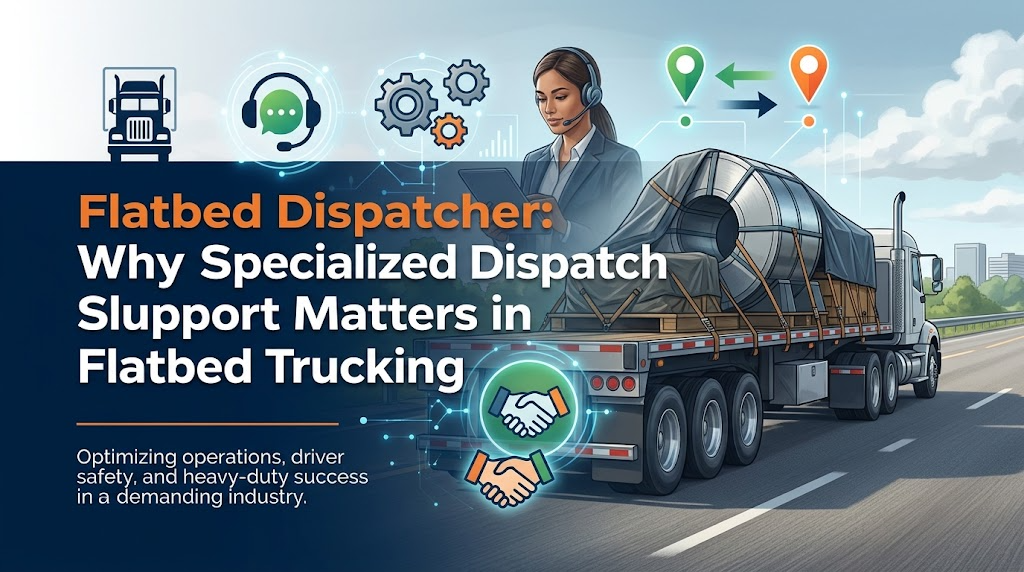
Flatbed trucking plays a critical role in moving oversized, heavy, and irregularly shaped freight across the United States. From construction materials and steel coils to machinery and industrial equipment, these loads require careful planning and coordination. This is where a flatbed dispatcher becomes an important part of daily operations.
A flatbed dispatcher helps coordinate freight, communicate with brokers and shippers, schedule pickups and deliveries, and ensure that drivers stay productive while complying with transportation requirements. Unlike standard freight operations, flatbed hauling involves unique challenges that demand specialized knowledge and attention to detail.
Understanding the Role of a Flatbed Dispatcher
A Flatbed dispatch services is responsible for managing the movement of flatbed trucks and ensuring freight is transported efficiently from origin to destination. Their responsibilities go beyond simply finding loads.
Daily tasks often include:
- Searching for suitable freight opportunities
- Negotiating load rates with brokers
- Coordinating pickup and delivery schedules
- Monitoring driver availability
- Managing route planning
- Handling paperwork and communication
Because flatbed freight frequently involves oversized or specialized cargo, dispatchers must understand loading requirements, securement standards, and delivery constraints.
For owner-operators and small fleets, having a knowledgeable dispatcher can help reduce downtime and improve operational consistency.
Flatbed Dispatch Services and Their Industry Value
Flatbed Dispatch Services
The trucking industry is highly competitive, and finding profitable loads consistently can be challenging. Flatbed dispatch services provide administrative and logistical support that allows drivers and fleet owners to focus on transportation rather than load management.
These services typically assist with:
- Load sourcing and planning
- Freight negotiations
- Route coordination
- Appointment scheduling
- Driver communication
- Documentation support
A dispatcher’s effectiveness often depends on their understanding of freight markets, seasonal demand patterns, and regional shipping trends.
For example, construction activity may increase demand for flatbed transportation during warmer months, while manufacturing hubs can create year-round opportunities for specialized freight movement.
Challenges Unique to Flatbed Truck Dispatch Operations
Flatbed transportation differs significantly from dry van or reefer operations. Freight often requires additional preparation before transportation can begin.
Some common challenges include:
Cargo Securement Requirements
Flatbed loads must be properly secured using chains, straps, tarps, edge protectors, and other equipment. Dispatchers often coordinate schedules around loading and securement requirements that can add time to pickup operations.
Specialized Freight Handling
Many flatbed shipments involve:
- Steel products
- Lumber
- Heavy machinery
- Construction equipment
- Building materials
- Industrial components
Each shipment may require different handling procedures, permits, or delivery instructions.
Weather Considerations
Unlike enclosed trailers, flatbed cargo is exposed to weather conditions. Rain, snow, wind, and extreme temperatures can affect transit planning and delivery schedules.
Experienced dispatch professionals understand how weather patterns can impact routing and appointment management.
How Dispatcher Services Support Owner-Operators
Independent truck drivers frequently manage multiple responsibilities simultaneously. Beyond driving, they must locate loads, negotiate rates, handle paperwork, and communicate with brokers.
This administrative workload can consume several hours each day.
Professional dispatcher services help reduce these demands by acting as a central point of communication. Instead of spending time searching load boards or handling repeated phone calls, drivers can focus on operating their equipment safely and efficiently.
Consider a flatbed owner-operator transporting steel products from Texas to Illinois. Once delivery is complete, finding a profitable return load becomes a priority. A dispatcher can begin searching for backhaul opportunities before the truck even reaches its destination, helping reduce empty miles and unnecessary downtime.
This type of planning can contribute to more consistent utilization throughout the year.
Technology’s Growing Role in Flatbed Truck Dispatch
Modern trucking operations increasingly rely on technology to improve visibility and coordination.
Today’s flatbed truck dispatch processes often involve:
- GPS tracking systems
- Electronic logging devices (ELDs)
- Transportation management software
- Digital document sharing
- Real-time communication platforms
These tools help dispatchers monitor truck locations, track delivery progress, and respond quickly to schedule changes.
For example, if a shipper experiences a loading delay, dispatchers can communicate updated timelines to brokers and customers, minimizing disruptions throughout the supply chain.
Technology also improves recordkeeping and helps carriers maintain compliance with industry regulations.
Selecting the Right Flatbed Dispatch Service
Not all dispatch operations offer the same level of expertise. Flatbed transportation requires knowledge that extends beyond general freight coordination.
When evaluating a flatbed dispatch service, carriers often consider factors such as:
Industry Experience
Dispatchers with experience in flatbed freight generally have a better understanding of cargo requirements, market conditions, and customer expectations.
Communication Skills
Clear communication is essential when coordinating between drivers, brokers, shippers, and receivers.
Market Knowledge
Freight demand varies by region, season, and industry. Understanding these patterns helps dispatchers identify suitable load opportunities.
Operational Support
Effective dispatch support includes more than load booking. Appointment management, paperwork coordination, and issue resolution are also important aspects of successful operations.
Within the trucking industry, companies such as EverMark Dispatchers are part of a growing segment focused on supporting owner-operators and small carriers through specialized dispatch coordination and freight management services.
The Future of Flatbed Freight Coordination
The demand for flatbed transportation remains closely tied to construction, infrastructure development, manufacturing, and industrial growth throughout the United States.
As supply chains become more complex, dispatch professionals are expected to play an increasingly important role in keeping freight moving efficiently.
Emerging technologies, improved freight visibility tools, and evolving transportation regulations will likely continue shaping how dispatch operations function in the years ahead.
At the same time, the fundamentals remain unchanged. Successful dispatching still depends on strong communication, market awareness, planning skills, and an understanding of customer requirements.
Conclusion
A skilled flatbed dispatcher serves as a vital link between drivers, brokers, shippers, and receivers. From coordinating schedules and negotiating freight opportunities to managing paperwork and solving logistical challenges, dispatch professionals help keep flatbed operations organized and productive.
Because flatbed transportation involves unique cargo requirements, weather considerations, and specialized handling procedures, experienced dispatch support can make a meaningful difference in day-to-day operations. As the trucking industry continues to evolve, knowledgeable dispatch coordination will remain an important component of efficient and reliable flatbed freight movement across the United States.







Post Comment