Hail Damage Roof Repair: Restore Your Roof Quickly
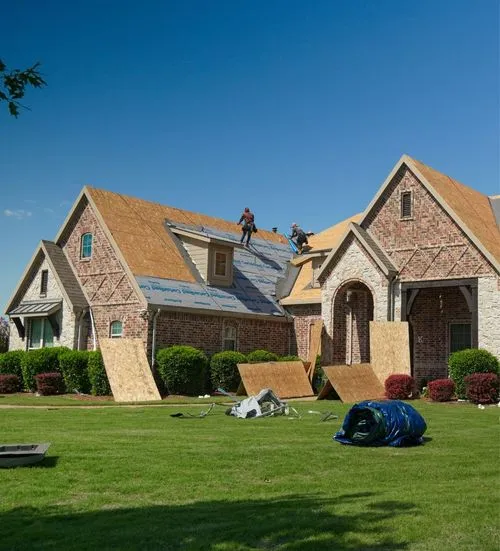
Severe storms can strike suddenly, leaving a trail of destruction across your property. While shattered windows and dented cars grab immediate attention, your roof often absorbs the most severe impacts. Ignoring this overhead destruction leaves your home vulnerable to relentless leaks, toxic mold, and deep structural rot.
Prompt hail damage roof repair restores your property’s primary defensive barrier, protecting your family and your financial investment. Navigating the aftermath of a severe weather event can feel overwhelming, but understanding the repair process makes it manageable. This comprehensive guide explores how hail compromises your roofing system, the critical signs of deterioration to look for, and the necessary steps to restore your home safely and efficiently.
What Is Hail Damage?
Hail damage occurs when freezing rain forms into jagged chunks of ice and plummets onto your home at high speeds. The resulting impact severely compromises roofing materials, breaking their waterproof seals and exposing the underlying wood decking. Hailstones vary wildly in size, shape, and density. Even small, pea-sized hail driven by high winds can slowly sandblast the protective coating off your shingles over time.
Different building materials react differently to these violent impacts. Standard asphalt shingles suffer aggressive granule loss and deep internal bruising. Metal roofs develop large, unsightly dents that compromise their structural integrity. Clay and concrete tiles can shatter completely on impact, leaving gaping holes in your exterior defense.
Signs Your Home Needs Hail Roof Damage Repair
Knowing what physical warning signs to look for after a severe weather event helps you act quickly. You do not always need to climb a tall ladder to spot the aftermath of a storm. Walking around your property and carefully observing your home’s exterior often reveals enough evidence to justify calling a professional.
Bruised and Fractured Shingles
Hail strikes leave distinct circular indentations on asphalt shingles. These impact marks act like dark bruises on the roof’s surface. When you touch these spots, they often feel soft and spongy, indicating that the rigid fiberglass matting underneath has fractured. Once the fiberglass backing breaks, the shingle loses its ability to shed water efficiently.
Granule Loss and Gutter Accumulation
Check the ground around your downspouts after a heavy storm. A massive accumulation of sand-like mineral granules means the hail aggressively stripped the protective coating off your roof. Asphalt shingles rely on these rough granules to block destructive ultraviolet UV rays and provide fire resistance. Without them, the exposed asphalt bakes in the sun, turning brittle and cracking prematurely.
Dented Roof Vents and Metal Flashing
Look closely at the metal components on and around your roof. Because metal shows physical impact clearly, it serves as an excellent indicator of storm severity. Dented exhaust caps, warped chimney flashing, and dinged aluminum gutters indicate that a high-impact storm successfully breached your property line. Recognizing these metal deformations early allows you to schedule hail damage roof repair before water breaches your interior living spaces.
The Hidden Dangers of Ignoring Hail Damage
Delaying action after a hailstorm actively puts your home at severe risk. The initial impact represents only the first phase of the destruction. The secondary damage caused by unchecked moisture intrusion ultimately proves much more expensive and hazardous to your family.
Water Infiltration and Structural Rot
When hail fractures a shingle, it creates a microscopic pathway for rainwater to reach the sensitive wood decking below. Water travels relentlessly along the path of least resistance. A small puncture on the surface easily rots the underlying plywood deck, destroys your insulation, and weakens the wooden trusses holding up your ceiling.
Mold Growth and Poor Air Quality
Trapped moisture sitting in a dark, poorly ventilated attic space creates the perfect breeding ground for toxic black mold. This mold spreads rapidly across your wooden framing and eventually infiltrates your HVAC system. Once airborne, these spores circulate into your living room and bedrooms, triggering severe respiratory issues and allergic reactions for your family.
The Professional Roof Inspection Process
Never attempt to climb onto a potentially compromised, slippery roof yourself. Professional evaluations ensure absolute safety and structural accuracy. Reputable contractors perform systematic, step-by-step assessments to map out every single flaw left by the storm.
Thorough Exterior Assessment
A trained roofing expert safely walks the entire surface of your roof, using specialized chalk to mark impact zones. They calculate the number of hail hits within a designated square area to determine the overall severity of the storm. They meticulously check the delicate valleys, ridge caps, and rubber pipe boots, as these areas represent the most common failure points.
Interior Attic Evaluation
Experienced professionals know that the worst damage often hides beneath the surface. They venture into your attic to inspect the underside of the roof deck. They search for fresh water stains, soft spots in the wood, and daylight shining through shattered boards. Uncovering these hidden elements allows the contractor to formulate a permanent, highly effective repair plan.
Navigating the Insurance Claims Process
Homeowners insurance typically covers storm damage, but securing your rightful payout requires diligent documentation. Dealing with insurance adjusters often feels intimidating, but hiring an experienced roofing contractor streamlines the entire process.
Documenting the Destruction
Insurance companies require overwhelming proof of the event. A reliable contractor takes dozens of high-resolution photos, maps the exact dimensions of the damage, and provides a highly detailed written report. They document the date of the storm and correlate the localized damage to specific local weather reports to validate your claim.
Working With Your Insurance Adjuster
When the insurance company sends an adjuster to evaluate your property, your roofing contractor should be present. The contractor acts as your personal advocate, physically pointing out the bruised shingles and fractured seals that an out-of-town adjuster might conveniently overlook. This partnership ensures your final insurance payout accurately covers all necessary restoration work.
Steps Involved in the Repair Process
Depending on the severity of the hailstorm, fixing the damage ranges from patching isolated areas to executing a complete roof replacement. Local experts utilize specialized techniques to secure your property and restore its curb appeal.
Replacing Compromised Materials
If the damage remains localized, contractors carefully extract the bruised shingles without tearing the surrounding healthy materials. They pull the old nails, slide brand-new shingles into place, and secure them with fresh fasteners. They apply specialized roofing cement to ensure the new pieces seal tightly. Thorough hail damage roof repair seamlessly integrates the new materials into your existing roof line.
Upgrading to Impact-Resistant Options
If the storm demands a complete roof replacement, use the opportunity to upgrade your materials. Many manufacturers offer Class 4 impact-resistant shingles specifically engineered to survive heavy hail. These robust shingles feature a rubberized polymer backing that flexes upon impact rather than shattering. Upgrading to these advanced materials often qualifies you for a significant discount on your future homeowners insurance premiums.
Conclusion
Violent hailstorms deal devastating blows to your home’s exterior defense systems. Taking immediate, proactive action minimizes the long-term structural fallout and protects your wallet. By identifying the early visual warning signs and hiring experienced local professionals, you actively safeguard your property value. Do not let hidden moisture destroy your framing or invite dangerous mold into your attic. Schedule a professional inspection immediately following the next severe weather event, and secure expert hail damage roof repair to ensure your roof confidently protects your family through every season.


Post Comment