Difference Between Foam and Cardboard Packaging Inserts
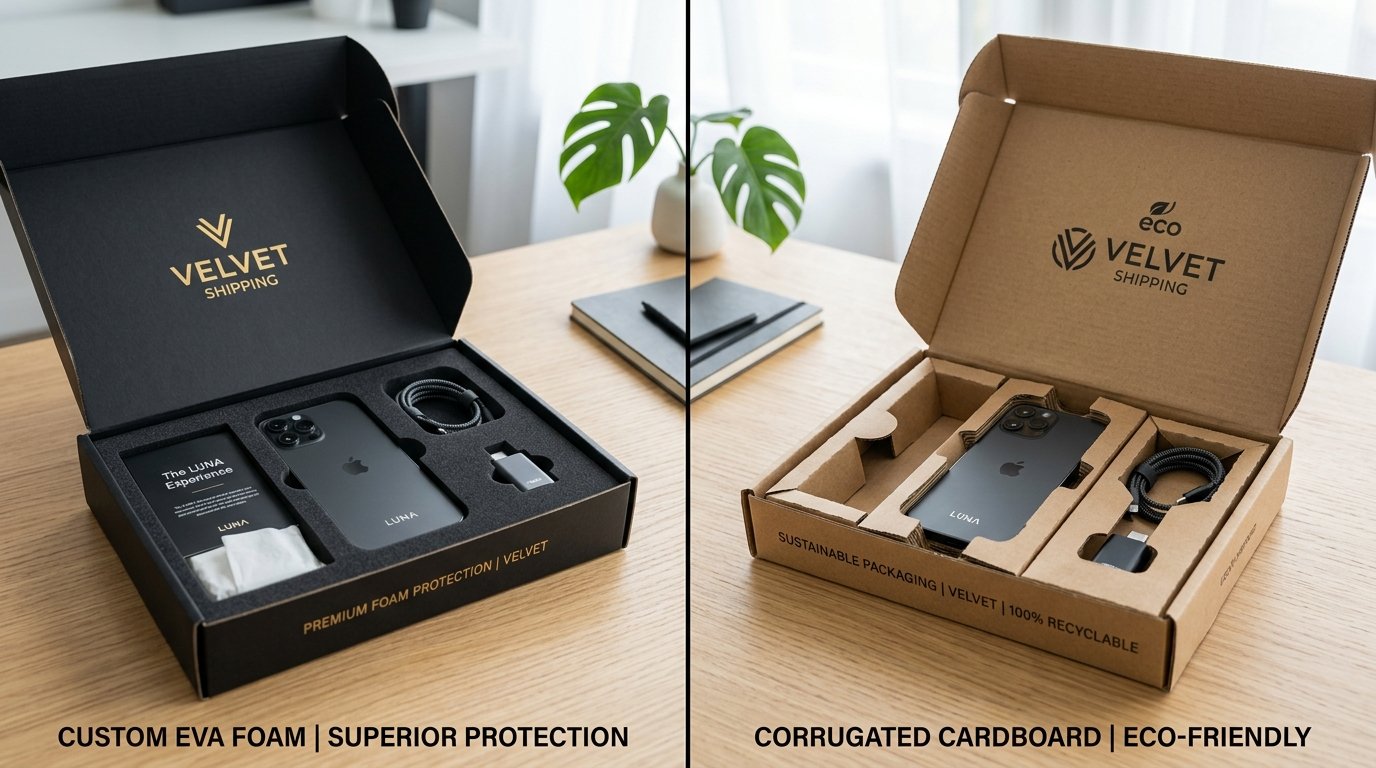
When you ship a product to a customer, the journey from your warehouse to their doorstep is filled with bumps, drops, and sudden stops. If your product arrives damaged, it costs you money and ruins the customer’s trust. At the same time, if the product arrives safe but looks disorganized and cheap, you miss a massive opportunity to build brand loyalty.
This is where the right internal packaging comes into play. Protecting your product and presenting it beautifully requires a strategic choice in materials. Two of the most popular and effective options available today are foam and cardboard inserts. But how do you know which one is right for your specific business?
In this comprehensive guide, we will explore the core differences between foam and cardboard packaging inserts. We will look at their unique benefits, their ideal use cases, their impact on the environment, and how they shape the customer unboxing experience.
The Role of Internal Packaging
Before we compare foam and cardboard, we need to understand the job of an insert. A shipping box provides the outer shell, defending against punctures and weather. The insert handles everything that happens inside that shell.
Inserts serve two main purposes:
- Protection: They absorb shock, prevent items from shifting, and keep multiple components from crashing into one another.
- Presentation: They organize the contents, turning a chaotic jumble of items into a clean, professional display.
Choosing the wrong insert material can lead to higher shipping costs, increased return rates due to damage, and a frustrated customer base.
Takeaway: Your insert material dictates both the safety of your product during transit and the perceived value of your brand upon arrival.
Deep Dive: Foam Packaging Inserts
Foam has been a staple in the shipping industry for decades, particularly for high-value and delicate items. It offers a premium feel and unmatched shock absorption.
Types of Foam Used in Packaging
Not all foam is created equal. Manufacturers use several different types of foam depending on the weight and fragility of the item:
- Polyurethane (PU) Foam: This is an open-cell foam that is soft, spongy, and highly flexible. It is ideal for lightweight, delicate items that need gentle cushioning.
- Polyethylene (PE) Foam: This closed-cell foam is denser and firmer. It is excellent at dampening vibrations and is typically used for heavier items that need rigid support.
- EVA Foam: Ethylene-vinyl acetate (EVA) is a dense, high-quality foam that offers a very smooth finish. It is often used in luxury packaging where presentation is just as important as protection.

The Benefits of Foam
Foam offers several distinct advantages that make it a favorite for specific industries.
- Superior Shock Absorption: Foam excels at absorbing impacts. If a delivery driver drops a box containing a fragile glass bottle or a sensitive hard drive, the foam compresses and absorbs the kinetic energy, keeping the item safe.
- Custom Fit: Foam can be die-cut, routed, or molded to fit the exact contours of any product. This creates a friction-fit that holds the item perfectly still.
- Luxurious Presentation: Dense foams, especially EVA, look and feel expensive. When a customer opens a box and sees their new item nestled in custom-cut foam, it immediately communicates premium quality.
- Non-Abrasive: Soft foams will not scratch delicate surfaces, making them perfect for screens, polished metals, and painted goods.
The Drawbacks of Foam
While foam is excellent for protection, it does have a few downsides.
- Environmental Concerns: Most traditional foams are petroleum-based and difficult to recycle. They often end up in landfills. While eco-friendly foam alternatives are emerging, they are not yet the industry standard.
- Higher Costs: Tooling and manufacturing custom foam pieces generally cost more than paper-based alternatives.
- Storage Space: Foam inserts arrive fully formed and take up a significant amount of warehouse space before they are even used.
Deep Dive: Cardboard Packaging Inserts
Cardboard, specifically corrugated cardboard, is the most versatile and widely used packaging material in the world. With rising consumer demand for sustainability, cardboard inserts have seen a massive surge in popularity.
The Benefits of Cardboard
Cardboard brings a unique set of strengths to the table, making it the go-to choice for modern e-commerce brands.
- Eco-Friendly and Recyclable: The biggest advantage of cardboard is its sustainability. It is made from renewable resources, is heavily recycled, and consumers know exactly how to dispose of it responsibly in their curbside bins.
- Cost-Effective: Cardboard is generally much cheaper to produce than foam. The raw materials cost less, and the manufacturing process is highly efficient.
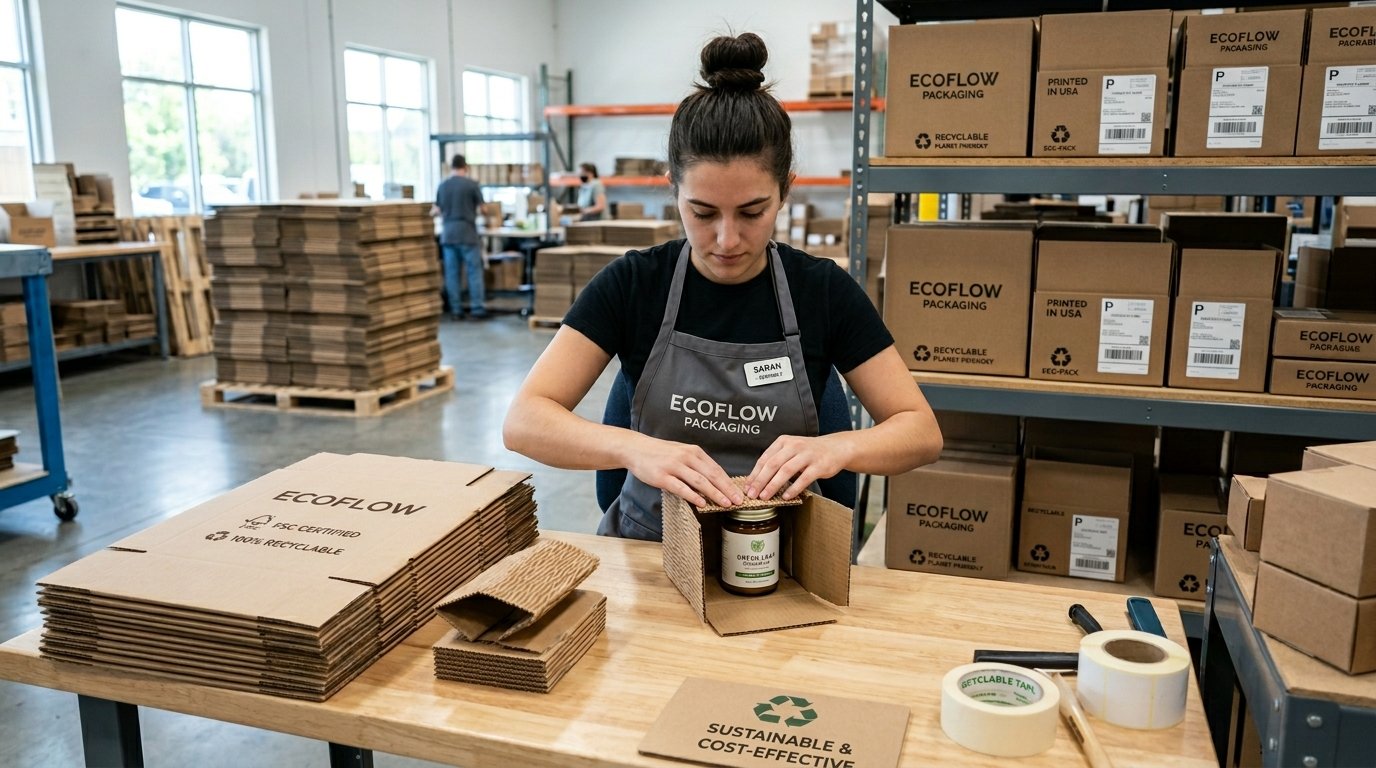
- Space-Saving Design: Unlike bulky foam, cardboard inserts can be shipped and stored flat. Your warehouse team simply folds them into shape during the packing process. This saves a massive amount of storage space and reduces inbound shipping costs.
- Printability: Cardboard accepts ink beautifully. You can print instructions, branding, or marketing messages directly onto the insert, adding another layer of communication with your customer.
The Drawbacks of Cardboard
Cardboard is incredibly useful, but it is not perfect for every single application.
- Lower Shock Absorption: While corrugated cardboard offers good crush resistance, it does not absorb heavy impacts as well as dense foam.
- Abrasive Texture: The raw edges of cardboard can sometimes rub against delicate finishes during long transit times, potentially causing minor scuffs.
- Assembly Required: Because they ship flat, your fulfillment team must spend time folding and assembling the inserts before placing them in the box.
Head-to-Head Comparison: Foam vs. Cardboard
To help you visualize the differences and make the best choice for your product line, review this side-by-side comparison table.
|
Feature |
Foam Inserts |
Cardboard Inserts |
|---|---|---|
|
Primary Strength |
Maximum shock absorption |
Sustainability and cost |
|
Best Used For |
Electronics, luxury goods, glass |
E-commerce goods, cosmetics, food |
|
Environmental Impact |
Generally poor (hard to recycle) |
Excellent (widely recyclable) |
|
Storage Space Required |
High (ships fully formed) |
Low (ships flat) |
|
Fulfillment Speed |
Fast (drop in and go) |
Slower (requires folding) |
|
Cost |
Medium to High |
Low to Medium |
|
Printability |
Poor (usually unprinted) |
Excellent (full color available) |
Takeaway: Choose foam for maximum protection of high-value items, and choose cardboard for cost-effective, sustainable shipping.
How to Choose the Right Material for Your Product
Selecting between these two materials comes down to understanding your specific product, your target audience, and your operational limits. Here is a framework to help you decide.
Step 1: Assess Product Fragility
If your product shatters easily or contains delicate internal mechanics, you likely need foam. The cost of replacing a broken $500 electronic device far outweighs the extra cost of a foam insert. However, if you are shipping apparel, books, robust cosmetics, or pre-packaged foods, cardboard will provide more than enough structural integrity.
Step 2: Consider Your Brand Values
Today’s consumers care deeply about the environment. If your brand is built around sustainability, clean ingredients, or eco-conscious living, using petroleum-based foam will contradict your message. In this scenario, you must prioritize cardboard to align your physical packaging with your brand promises.
Step 3: Analyze Your Fulfillment Process
Look at your warehouse operations. If you have limited storage space, bulky foam inserts will cause a logistical nightmare. Cardboard is the clear winner for tight spaces. However, if labor costs are your biggest concern, keep in mind that workers can place foam inserts into a box instantly, whereas folding complex cardboard structures takes time.
Creating the perfect unboxing experience often requires getting tailored advice and engineering support. Utilizing Custom Packaging Inserts allows you to engineer a solution that firmly holds your specific product, whether you ultimately choose to use soft foam or rigid corrugated materials.
Hybrid Approaches: Combining Materials
Sometimes, the best solution is not choosing one over the other, but using them together. Many modern brands use a hybrid approach to maximize the benefits of both materials.
For example, you might use a folded cardboard structure to hold a heavy item in the center of the box, but line the specific contact points with small strips of EVA foam. This gives you the eco-friendly, printable, and flat-packing benefits of cardboard, combined with the non-abrasive, shock-absorbing benefits of foam exactly where you need it most.
Working closely with a specialized Custom Packaging Company ensures you have access to designers who understand how to blend these materials seamlessly. They can run drop-tests and prototypes to find the exact balance between protection, presentation, and cost.
Common Mistakes When Choosing Inserts
Even experienced shippers make errors when selecting their internal packaging. Here are a few common pitfalls and how to avoid them.
- Over-packaging: Using a massive block of foam for a relatively sturdy item wastes money and annoys the customer. Match the level of protection to the actual fragility of the item.
- Ignoring the unboxing flow: Do not make the insert so tight that the customer cannot get the product out. The friction-fit should hold the item securely during transit, but release easily when pulled by a human hand. Add thumb notches to your design to help users lift the product easily.
- Forgetting disposal instructions: If you use cardboard, remind the user to recycle it. If you use foam, look into newer biodegradable foams and clearly explain how to dispose of them, so the user doesn’t feel guilty throwing it in the trash.
Conclusion
The difference between foam and cardboard packaging inserts comes down to balancing protection, presentation, sustainability, and budget. Foam offers unparalleled shock absorption and a premium, friction-fit feel, making it ideal for fragile and luxury items. Cardboard offers incredible versatility, flat-packing efficiency, and highly sought-after eco-friendliness, making it the champion for modern e-commerce.
By carefully assessing your product’s fragility and your customer’s expectations, you can design an insert strategy that eliminates shipping damage while creating an unforgettable unboxing moment.
To improve your packaging today, start by reviewing your current damage rates and unboxing feedback to see if your current insert material is truly serving your business.
Frequently Asked Questions (FAQs)
Can cardboard inserts protect glass items?
Yes, but they require careful engineering. Using double-wall corrugated cardboard and creating “crush zones” or air buffers around the glass can protect it effectively. However, foam is generally easier to use for highly fragile glass.
Is there an eco-friendly alternative to traditional foam?
Yes. Manufacturers are now producing foams made from cornstarch, mushroom roots (mycelium), and recycled paper pulp. These materials offer similar protective qualities to traditional foam but are biodegradable or compostable.
Why are foam inserts usually more expensive?
Foam raw materials often cost more, and the manufacturing process (die-cutting or routing thick blocks of foam) is generally more labor and machine-intensive than stamping out sheets of flat cardboard.
Can I print my logo on foam inserts?
It is possible to stamp or laser-etch logos into dense foams like EVA, but it is difficult and expensive to print full-color graphics on foam. If vivid branding and detailed text are important to you, cardboard is a much better choice.







Post Comment