DIY Rosemary Oil for Hair Growth: A Complete Natural Recipe Guide
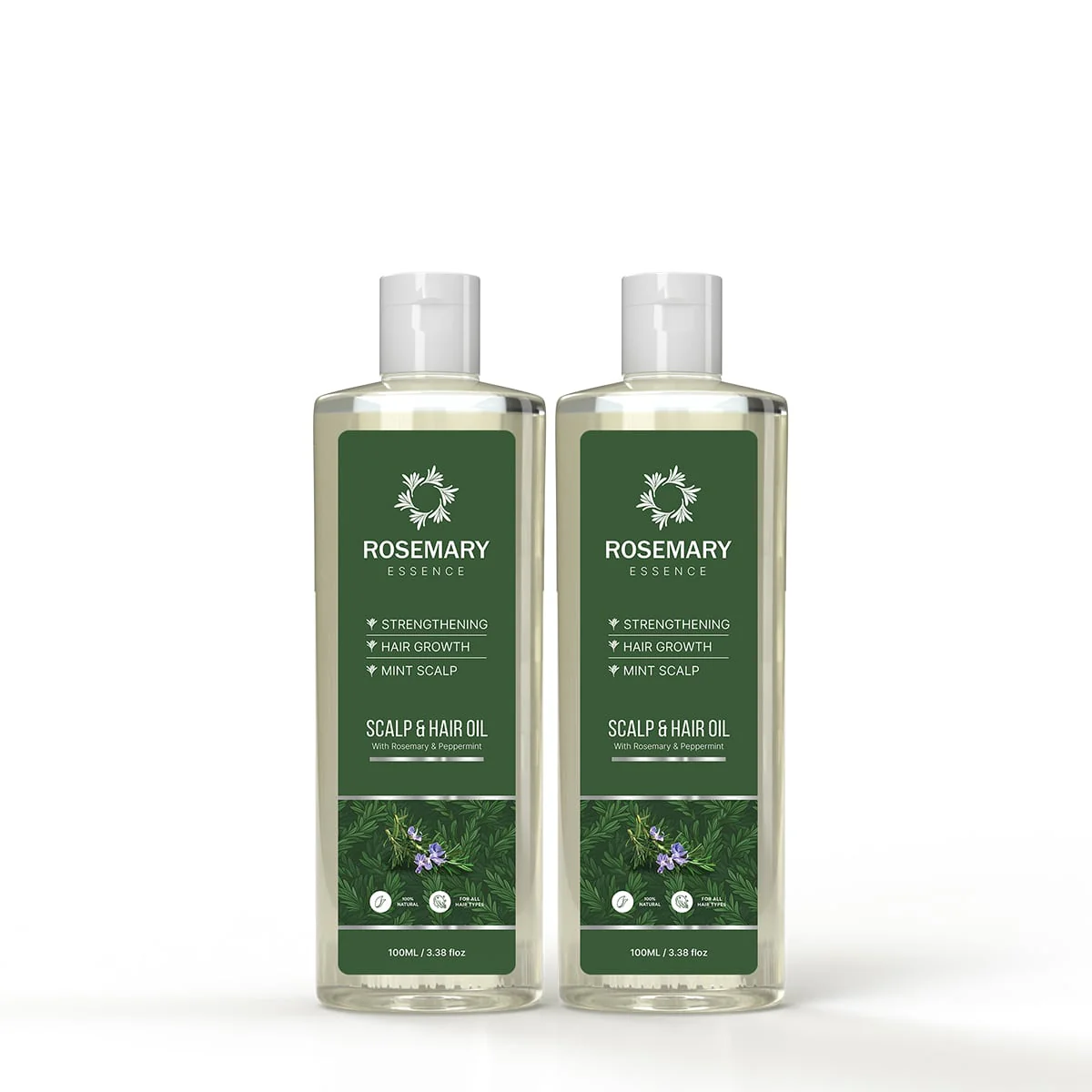
If you’re looking for a simple, natural way to support thicker, healthier-looking hair, rosemary oil has become one of the most talked-about remedies in recent years. Long used in traditional herbal care, rosemary is now gaining attention in modern hair routines for its ability to support scalp health and improve the appearance of hair growth.
The good news? You don’t need expensive salon treatments or store-bought serums. You can make your own DIY rosemary oil at home using just a few ingredients. In this rosemary oil price in pakistan guide, you’ll learn exactly how to prepare rosemary oil for hair growth, how it works, and how to use it effectively.
Why Rosemary Oil Is Popular for Hair Growth
Rosemary has been used in herbal medicine for centuries. When it comes to hair care, it’s valued because it helps improve scalp circulation and creates a healthy environment for hair follicles.
Some people use rosemary oil to:
- Support hair thickness over time
- Improve scalp health
- Reduce dryness and flakiness
- Strengthen weak or brittle strands
- Add shine and softness
While results vary from person to person, rosemary oil is widely considered a gentle, natural addition to a hair care routine.
How Rosemary Oil Works on the Scalp
Rosemary contains natural compounds like antioxidants and anti-inflammatory agents. When applied to the scalp in oil form, it can help stimulate blood flow and nourish hair roots.
Better circulation to the scalp means:
- More oxygen delivery to hair follicles
- Improved nutrient support
- Healthier conditions for hair growth
It’s not a miracle cure, but consistent use may support stronger, healthier hair over time when combined with good hair habits.
Ingredients for DIY Rosemary Oil
One of the best things about this recipe is how simple it is. You only need a few natural ingredients:
Basic Ingredients:
- 1 cup carrier oil (choose one below)
- 2–3 tablespoons dried rosemary OR 4–5 fresh rosemary sprigs
Best carrier oils to use:
- Coconut oil (deep conditioning and moisturizing)
- Olive oil (rich and nourishing)
- Jojoba oil (lightweight and scalp-friendly)
- Almond oil (adds shine and softness)
You can choose one oil or mix two for better results.
Step-by-Step DIY Rosemary Oil Recipe
Here are two easy methods: a slow infusion method and a quicker heat method.
Method 1: Slow Infusion (Cold Method)
This method keeps the nutrients intact and produces a rich, aromatic oil.
Steps:
- Prepare the rosemary
- Wash fresh rosemary and let it dry completely
- If using dried rosemary, make sure it’s clean and free of moisture
- Fill a jar
- Add rosemary into a clean glass jar
- Pour your carrier oil over it until fully submerged
- Seal and store
- Close the jar tightly
- Place it in a warm, sunny spot for 2–3 weeks
- Shake occasionally
- Gently shake the jar every 2–3 days to mix the ingredients
- Strain the oil
- After 2–3 weeks, strain the oil using a cheesecloth or fine sieve
- Store properly
- Keep your rosemary oil in a dark glass bottle
This method takes time but gives a strong herbal infusion.
Method 2: Quick Heat Method
If you don’t want to wait weeks, this method works in under an hour.
Steps:
- Add carrier oil to a small pan
- Add rosemary (fresh or dried)
- Heat on very low flame for 15–30 minutes
- Do NOT let it boil
- Turn off heat and let it cool
- Strain the oil carefully
- Store in a clean bottle
This method is faster but slightly less potent than the slow infusion.
How to Use DIY Rosemary Oil for Hair Growth
Using your rosemary oil correctly is just as important as making it.
Scalp Massage Method:
- Take a few drops of rosemary oil
- Massage gently into your scalp for 5–10 minutes
- Leave it for at least 30 minutes (or overnight for deeper treatment)
- Wash with a mild shampoo
Frequency:
- 2–3 times per week is ideal
Hot Oil Treatment:
- Warm the oil slightly before use
- Apply to scalp and hair lengths
- Cover with a shower cap for 1 hour
- Rinse thoroughly
Regular use helps maintain scalp balance and hydration.
Benefits of DIY Rosemary Oil
Making your own rosemary oil gives you control over quality and freshness. Some key benefits include:
1. Chemical-Free Care
No preservatives, synthetic fragrances, or additives.
2. Cost-Effective
A homemade batch costs much less than store-bought hair oils.
3. Customizable Formula
You can adjust carrier oils based on your hair type.
4. Fresh Potency
Freshly made oil often contains stronger natural compounds.
Who Should Use Rosemary Oil?
Rosemary oil is generally suitable for most hair types, especially:
- Dry or damaged hair
- Thin or fine hair
- Normal to oily scalp
- People dealing with mild hair shedding
However, if you have a sensitive scalp, it’s best to do a patch test first.
Important Tips for Best Results
To get the most out of your DIY rosemary oil, follow these tips:
- Be consistent (results take time)
- Avoid applying too much oil at once
- Always dilute rosemary with carrier oil (never use essential oil directly)
- Massage gently to avoid hair breakage
- Pair with a healthy diet and hydration
Hair care is a long-term routine, not an overnight fix.
Common Mistakes to Avoid
Many people don’t get results because of small mistakes:
- Using too much oil and not washing properly
- Expecting instant results
- Applying only once in a while
- Overheating rosemary during preparation
- Using low-quality carrier oils
Avoiding these can significantly improve your experience.
How Long Before You See Results?
Hair growth is a slow process. With consistent use of rosemary oil:
- You may notice improved softness in 2–3 weeks
- Scalp health improvements in 3–4 weeks
- Visible hair thickness changes may take 2–3 months
Everyone’s hair cycle is different, so patience is key.
Final Thoughts
DIY rosemary oil is a simple, natural, and affordable way to support healthier hair growth habits. While it’s not an instant solution, many people find it helpful as part of a consistent hair care routine.
By preparing your own oil at home, you get a fresh, chemical-free product tailored to your needs. Whether you choose the slow infusion method or the quick heat method, the key is regular use and proper scalp care.
Healthy hair starts with a healthy scalp—and rosemary oil is one of the easiest natural ways to support that journey.





Post Comment