Compostable Trash Bags: A Practical Guide to Sustainable Waste Management
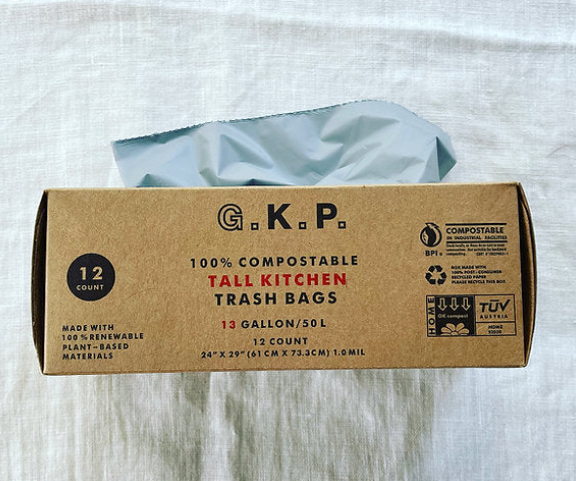
Compostable trash bags are becoming increasingly popular among households and businesses looking for practical ways to reduce their dependence on conventional plastic waste bags. Designed to hold everyday waste while offering an alternative approach to traditional plastic, these bags can be particularly useful for collecting food scraps and other organic materials where an appropriate composting service is available. As interest in lower-waste lifestyles continues to grow, consumers are paying closer attention not only to what they throw away but also to the products used to collect that waste. Choosing the right bag can therefore become an important part of creating a more thoughtful household waste routine.
The growing demand for Compostable trash bags is also driven by changing consumer expectations around convenience, packaging, and responsible consumption. Families, restaurants, cafés, offices, schools, and hospitality businesses may all need reliable liners that can handle daily waste without unnecessarily increasing their use of conventional plastic. However, choosing a compostable bag requires more than looking for an environmentally friendly label. Material composition, strength, size, intended waste stream, certification, storage conditions, and local disposal requirements all deserve consideration. Understanding these factors helps buyers select bags that are genuinely suitable for their intended purpose.
What Are Compostable Trash Bags?
Compostable trash bags are waste liners designed to break down under specific composting conditions rather than remaining intact like conventional plastic bags. Some are made using plant-derived materials or compostable biopolymer formulations, although the exact composition can vary considerably between products. An important distinction is that compostable does not necessarily mean that a bag will break down successfully in every environment. Some products are designed for commercial or industrial composting facilities, while others may be specifically certified for controlled home composting conditions. Consumers should therefore examine the product’s labeling and disposal instructions carefully. Understanding the intended end-of-life environment is essential because a bag’s compostability depends on the conditions available after it has been used.
Why Choosing the Right Bag Matters
A waste bag needs to perform its basic function reliably before environmental considerations can provide meaningful value. The bag should be appropriately sized for the container, strong enough for its intended waste, and resistant to tearing or leakage during normal handling. This becomes especially important when collecting food scraps or damp organic material because moisture can weaken poorly suited bags. Businesses may have additional requirements because waste containers can be emptied frequently and may contain heavier loads. Consumers should therefore consider capacity, thickness, handle design, closure method, and the type of waste being collected before purchasing. Selecting an unsuitable bag can result in spills, unnecessary replacement, and wasted product. A responsible choice is one that combines appropriate performance with the desired waste-management characteristics.
Understanding Compostability Certifications
Certification can help consumers distinguish products that have been evaluated against recognized compostability requirements from those making vague environmental claims. When shopping for compostable bags, buyers should look for clear information about the applicable certification or standard and determine whether it applies to home composting or commercial composting. These distinctions matter because industrial facilities can provide controlled conditions that are not necessarily available in a typical household compost pile. A product marketed simply as biodegradable may also have different characteristics from one specifically certified as compostable. Rather than relying on terms that sound environmentally positive, shoppers should examine the packaging for precise disposal instructions and certification information. This creates a more informed purchasing decision and reduces the possibility of sending unsuitable materials into a composting system.
Selecting the Right Size and Strength
Bag dimensions should correspond closely with the waste container being used. A bag that is too small may pull away from the rim or become difficult to close, while an oversized liner can waste material and occupy unnecessary storage space. Capacity is particularly important for food-waste containers because the bag should provide enough room for tying or securing the contents before collection. Strength also needs to match the intended load. Lightweight bags may be adequate for small countertop food-scrap containers, whereas larger bins may require a more robust design. Buyers should avoid assuming that thicker always means better because the appropriate specification depends on the type and quantity of waste being collected. Matching bag size and strength to actual usage can improve convenience while helping prevent avoidable waste.
Using Compostable Trash Bags Effectively
Proper use can help prevent leaks, odors, and unnecessary product consumption. Food scraps should generally be placed carefully into the liner rather than dropped from a height or packed down aggressively. Sharp objects should not be placed inside unless the bag is specifically designed to handle them. Keeping the container relatively clean can also reduce the likelihood of residue accumulating beneath the liner. When the bag is ready for collection, it should be closed according to the product instructions so that its contents remain contained during handling. Users should also avoid storing compostable liners in excessively hot, humid, or direct-sunlight conditions unless the manufacturer specifically indicates that such storage is acceptable. Appropriate handling from purchase through disposal helps maintain the bag’s intended performance.
Compostable Does Not Always Mean Home Compostable
One of the most important points for consumers is the difference between products intended for commercial composting and those suitable for a household compost system. Industrial composting facilities can maintain controlled temperatures, moisture levels, oxygen availability, and processing conditions that may not exist in a backyard compost pile. As a result, a bag labeled compostable may not necessarily belong in a home compost bin. Consumers should follow the specific instructions provided on the product and check the rules of their local composting program. If a local collection service does not accept compostable liners, placing the bag into that waste stream can create contamination problems. Understanding this distinction prevents well-intentioned sustainability efforts from producing the opposite result.
Compostable Bags for Businesses
Restaurants, cafés, offices, hotels, childcare facilities, and other organizations can use compostable liners as part of an organized organic-waste collection system when their local waste service accepts them. For businesses, the decision should be based on operational requirements rather than appearance alone. Staff need clear guidance about what belongs in the compost container, how bags should be secured, and which liners are approved for collection. Purchasing teams should also consider bag dimensions, durability, storage requirements, and consumption rates. Standardizing the bags used throughout an organization can make waste procedures easier to manage and reduce confusion among employees. When compostable liners are integrated into a properly established organics program, they can provide a convenient way to collect food scraps and other accepted organic material.
Common Mistakes to Avoid
Several mistakes can reduce the usefulness of compostable waste liners. One common error is treating the word compostable as permission to dispose of the bag anywhere. Disposal requirements vary, so the appropriate collection route should always be confirmed before use. Another mistake is confusing compostable products with ordinary biodegradable plastic. These terms do not necessarily describe the same end-of-life performance. Overfilling the bag can also increase the risk of tearing, particularly when wet food waste creates additional weight. Storing large quantities in unsuitable conditions may affect product quality before the bags are even used. Finally, purchasing bags that are much larger or stronger than necessary can increase consumption without providing a practical benefit. Avoiding these mistakes makes the transition to alternative waste liners more efficient.
Building a Better Waste Management Routine
A compostable bag works best when it forms part of a broader waste-separation system. Households and businesses can improve waste management by clearly separating food scraps, recyclable materials, general waste, and other categories according to their local collection requirements. Keeping the appropriate bins clearly identified can make sorting easier for everyone using the space. Food scraps can also be collected regularly rather than allowing them to remain in a container for extended periods. The exact routine will depend on climate, household size, business activity, and collection schedules. The objective is to make responsible waste separation convenient enough to become a normal habit. A good waste-management system combines suitable products with clear procedures rather than relying on a single environmentally focused item to solve every disposal challenge.
Making a Responsible Buying Decision
Before purchasing compostable waste liners, consumers should consider several practical questions: What type of waste will the bags hold? What size container will they fit? Are they strong enough for the expected load? Are they certified for the intended composting environment? Does the local collection service accept them? Answering these questions can prevent wasted purchases and reduce disposal problems later. Buyers should also look for clear product information instead of relying exclusively on attractive packaging or broad environmental language. A bag that works reliably, fits the available collection system, and has clear end-of-life instructions is generally a more useful choice than one selected solely because it carries a sustainability-oriented label.
Conclusion
Compostable trash bags can provide a practical alternative for households and businesses seeking better ways to manage organic waste, but their benefits depend on correct selection and disposal. Buyers should evaluate bag strength, size, material, certification, intended composting environment, and compatibility with local collection programs before making a purchase. It is equally important to remember that compostable does not automatically mean suitable for backyard composting or every waste facility. When used as part of a well-organized waste-separation routine, the right compostable liner can make food-scrap collection cleaner and more convenient while supporting broader efforts to reduce reliance on conventional plastic. The most responsible approach is simple: choose a product suited to the job, follow its disposal instructions, and make sure the local waste system is prepared to process it properly.











Post Comment