Are You Hesitating to Treat a Cyst That Keeps Growing?
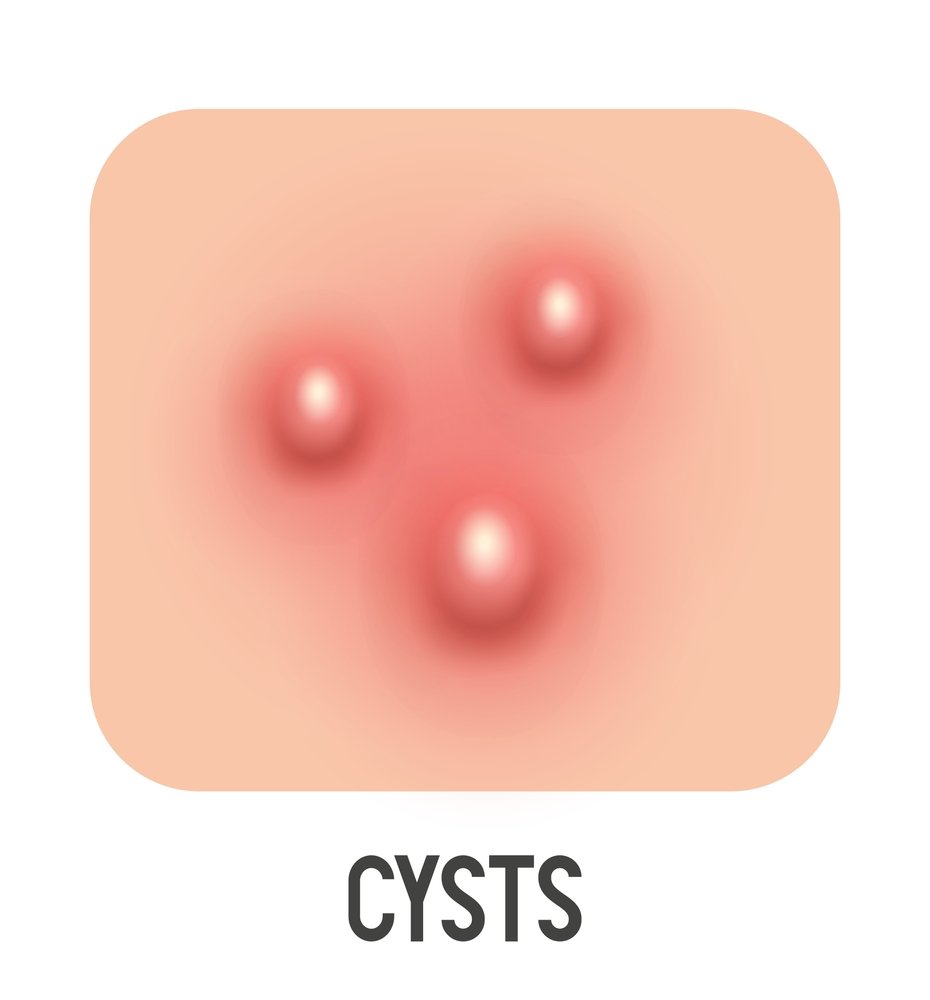
A growing cyst can be easy to ignore at first, especially when it causes little or no pain. Many individuals believe these skin lumps are not serious and postpone seeking medical advice. However, when a cyst continues to enlarge, becomes uncomfortable, or changes in appearance, professional medical attention may be necessary. Visiting a Harley Street dermatology clinic in London can help identify the cause of the cyst and determine the safest treatment option before complications develop.
Cysts are widely occurring skin growths that may develop in individuals of any age group. Although many are non-cancerous, delaying treatment may lead to infection, discomfort, or cosmetic concerns that become more difficult to manage later.
What Is a Cyst?
A cyst is a closed sac beneath the skin that typically contains fluid, pus, oil, or other material. They can appear almost anywhere on the body, including the scalp, face, neck, back, shoulders, or chest.
Cysts vary in size and appearance. Some remain small for years, while others gradually increase in size and become more noticeable.
Common types of cysts include:
- Sebaceous cysts that form when oil-producing glands become blocked, leading to a smooth and round lump beneath the skin.
- Pilar cysts that commonly develop on the scalp and often feel firm to the touch.
- Epidermoid cysts that grow slowly beneath the skin and may release thick material if ruptured.
Although most cysts are harmless, changes in their size, colour, or texture should never be ignored.
Signs a Growing Cyst Needs Medical Attention
Not every cyst requires removal, but some warning signs indicate that professional care may be needed.
You should arrange a medical assessment if you notice:
- The cyst is becoming larger over time and is more visible or uncomfortable than before.
- Redness, swelling, or warmth around the area may suggest inflammation or infection.
- Pain or tenderness when touching the cyst or during daily activities.
- Fluid, pus, or blood leaking from the lump.
- Difficulty wearing clothing comfortably because of the cyst’s location.
- Repeated infections or irritation in the same area.
Ignoring these symptoms can increase the likelihood of complications and may lead to more discomfort later.
Why People Delay Cyst Treatment
Many individuals postpone treatment because they fear surgery or believe the cyst will eventually disappear on its own. Others may avoid seeking advice because the lump does not hurt initially.
Some common reasons people hesitate include:
- Concern about pain or discomfort during treatment.
- Worry about scarring after removal.
- Believing the cyst is purely cosmetic and not medically important.
- Fear of discovering a more serious condition.
While these concerns are understandable, delaying treatment can sometimes make the cyst more difficult to remove if it becomes infected or grows significantly.
Why Professional Assessment Is Important
Attempting to squeeze or drain a cyst at home can worsen the condition and increase the risk of infection or scarring. Proper medical evaluation helps identify the type of cyst and the best treatment method.
At a Harley Street dermatology clinic, specialists assess the cyst carefully by:
- Examining its size, texture, and location beneath the skin.
- Asking about changes in growth, discomfort, or previous infections.
- Determining whether the cyst is inflamed or requires further investigation.
- Recommending suitable treatment based on the condition of the cyst.
Professional care provides reassurance and helps prevent avoidable complications.
Treatment Options for Growing Cysts
Treatment depends on the size, condition, and symptoms associated with the cyst. Small and stable cysts may only require monitoring, while larger or painful cysts often benefit from removal.
Medication and Infection Control
If the cyst is infected or inflamed, medication may be prescribed to reduce swelling and discomfort before any procedure is performed.
Drainage Procedures
Some cysts may temporarily be drained to release trapped fluid or pus. However, drainage alone may not prevent the cyst from returning because the cyst lining can remain beneath the skin.
Surgical Removal
For long-term results, many patients choose cyst removal surgery in London to safely remove the cyst and reduce the chance of recurrence.
This procedure is often recommended when:
- The cyst continues to grow despite previous treatment.
- Pain or discomfort affects daily activities.
- The cyst repeatedly becomes infected.
- Cosmetic concerns are impacting confidence or wellbeing.
- The cyst appears on a part of the body that is easily noticeable.
Most cyst removal procedures are carried out under local anaesthesia, making the treatment relatively quick and comfortable.
What Happens During Cyst Removal?
Knowing what happens during the treatment can help patients feel more comfortable beforehand.
During the removal process:
The area surrounding the cyst is carefully disinfected to reduce the risk of infection.
- Local anaesthetic is used to numb the area completely.
- A small incision is made to remove the cyst and its lining carefully.
- The wound may be closed with stitches, depending on the size of the cyst.
- The treated area is covered properly to support healing and protect the skin afterwards.
The procedure is usually completed within a short time, and most patients return home the same day.
Recovery After Treatment
Recovery after cyst removal is generally straightforward, although healing time varies depending on the size and location of the cyst.
Helpful aftercare steps include:
- Keeping the treated area clean and dry as advised by the clinic.
- Avoiding unnecessary pressure or friction on the healing skin.
- Following all wound care instructions carefully.
- Monitor the area for unusual redness, swelling, or discharge.
- Attending follow up appointments if recommended.
Most people can resume their normal routine within a few days after treatment.
Can a Growing Cyst Be Prevented?
Not all cysts can be prevented, but good skincare habits may help reduce the likelihood of some developing.
Simple preventative measures include:
- Keeping the skin clean without excessive scrubbing.
- Avoid squeezing blocked pores or skin lumps.
- Seeking early treatment for recurring skin irritation or acne.
- Monitoring changes in the skin and arranging professional assessment when needed.
Early treatment is often simpler and more comfortable than waiting until symptoms worsen.
FAQs
Is a growing cyst always dangerous?
No, many growing cysts are non-cancerous, but any lump that changes in size or appearance should be examined by a professional.
Will a cyst disappear naturally?
Some cysts may remain stable for long periods, but others continue to enlarge or become infected over time.
Is cyst removal painful?
Most procedures are performed under local anaesthesia, which keeps discomfort minimal during treatment.
Can a cyst come back after removal?
Recurrence is less likely when the entire cyst lining is removed during the procedure.
How long does recovery take?
Many patients recover within a few days, although complete healing depends on the size and location of the cyst.
Conclusion
A growing cyst should never be ignored, especially when it begins causing discomfort, infection, or cosmetic concerns. Early professional assessment allows the condition to be treated before complications become more serious.
Seeking care from a Harley Street dermatology clinic provides access to experienced specialists who can recommend the safest and most effective treatment approach. For patients dealing with persistent or enlarging cysts, cyst removal surgery offers a reliable solution that can improve both comfort and confidence.






Post Comment