Design Trends in Electric Animal Scooters: Insights from 15+ Years of Lulu Toy Car Innovation
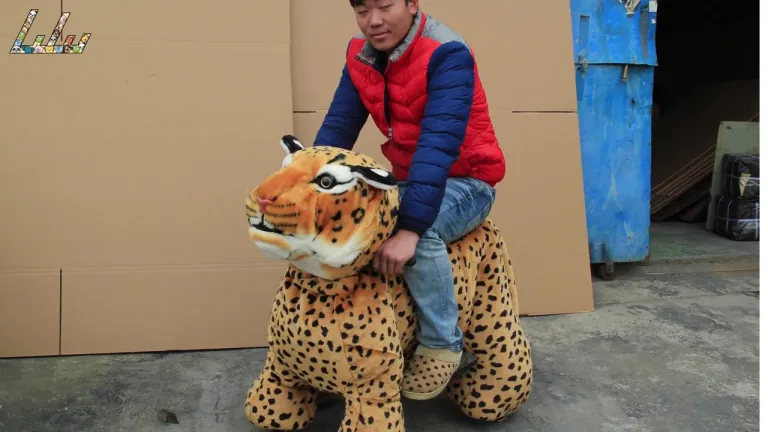
Children’s ride design changes more slowly than fashion but faster than most people expect. Colors shift, characters rise and fall in popularity, and expectations about softness, cleanliness, and safety keep tightening. Manufacturers who last for many years learn to recognize which changes are lasting and which are passing noise. Lulu Toy Car has worked in the animal ride business for about twenty years, well over fifteen, and has watched these trends develop from its base in Shanghai. Looking at its plush ride range and the wider market, several design directions stand out. Here is a closer look at the trends shaping the modern electric animal scooter and what they mean for buyers planning their next purchase.
The Shift from Hard Shells to Soft Plush
One of the clearest trends is the move toward soft, plush exteriors. Hard plastic shells are durable but can feel cold and impersonal, and children cannot hug them. The plush rides described on the product page use high-grade fabrics with PP cotton filling and detachable, washable jackets. That approach combines emotional appeal with practicality. Parents love how inviting soft animals look, and children respond as they would to a favorite stuffed toy. Washable covers address the obvious hygiene concern in public venues. As expectations for cleanliness grow, designs that make cleaning simple are likely to become even more common.
Character Variety and Emotional Appeal
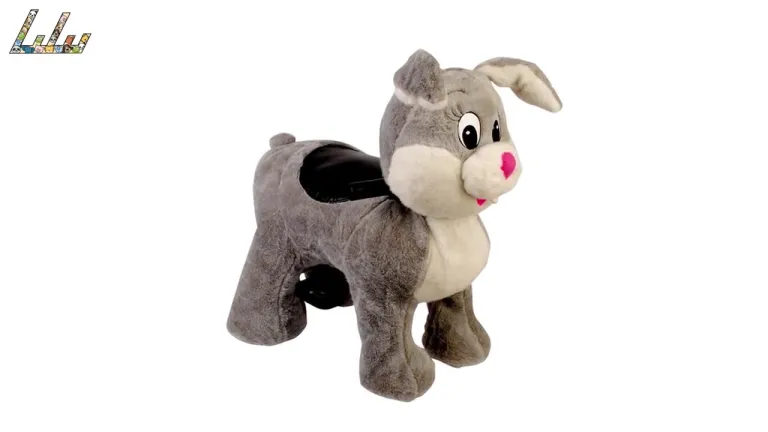
Another trend is expanding character choice. Rather than offering a single horse or car, suppliers now provide whole menageries. The listed range includes a panda, dog, leopard, rabbit, unicorn, Tyrannosaurus, monkey, and horse, covering gentle, adventurous, and fantasy tastes. Friendly faces, rounded features, and expressive details help children form quick emotional bonds. Operators benefit because a varied display looks lively and encourages children to try several rides. Looking forward, expect more seasonal variations, themed outfits, and collaborations with popular characters or brands, since emotional connection is the strongest driver of repeat play in this category.
Gentle Performance and Child-Centered Engineering
Designers increasingly recognize that young riders do not need speed. The stated performance of about two kilometers per hour, with a six-volt battery and a motor in the twenty-five-watt class, reflects a focus on calm, controlled movement. Maximum load is fifty kilograms, suited to small children. Trends in engineering favor predictable acceleration, stable bases, and simple controls that toddlers and parents can understand instantly. Instead of impressing with power, designers aim to reassure. This approach also simplifies compliance and reduces the risk of accidents, which matters to venues that must answer to insurers, regulators, and anxious parents. The same thinking applies when you review an electric animal scooter model for your own venue.
Practical Features for Public Venues
Rides in public spaces face heavy use, and designs are adapting. Detachable covers, replaceable wheels, accessible battery compartments, and simple wiring make maintenance faster. PU wheels, described as environmentally friendly, are valued for quieter movement and gentler contact with floors. Operators increasingly ask about battery life, charging time, and spare parts availability. The product page notes a runtime of about two hours and charging of eight to ten hours, which pushes venues to plan rotations. Designs that make these routines easier, for example by allowing quick battery swaps, are likely to gain popularity as operators look for ways to keep rides available all day.
Customization and Sustainability on the Horizon
Finally, buyers want rides that fit their identity and their values. Customization of color, shape, material, packaging, and start function, offered by the company through OEM and ODM services, is becoming standard expectation. Sustainability is also rising. Customers ask about materials, durability, and battery recycling, and honest answers are becoming a competitive advantage. Over the next few years, expect more attention to recycled fabrics, longer-lasting components, and take-back programs for batteries. After more than fifteen years of watching the market, the lesson is consistent: children love charm, parents demand safety, and operators reward equipment that stays attractive and reliable.



Post Comment