Emergency Roof Repair: How to Respond to Sudden Roof Damage
A roof protects your home from rain, wind, sunlight, and changing weather conditions. When unexpected damage occurs, even a small opening can allow water to enter your property. What starts as a minor leak can quickly affect ceilings, walls, insulation, and personal belongings.
Knowing how to respond can help reduce stress during a roofing emergency. Emergency roof repair provides a way to address serious damage quickly and protect your home while a permanent solution is arranged. Whether the problem follows a storm, an accident, or years of wear, taking action early is important.
What Is Considered a Roofing Emergency?
A roofing emergency is generally a situation where damage creates an immediate risk to your home or allows water to enter the property. Not every roofing issue requires immediate service, but active leaks and major structural damage should receive prompt attention.
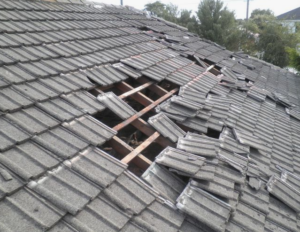
For example, missing roofing materials after strong winds can leave part of the roof exposed. Heavy rain can then enter through the damaged area. Similarly, a fallen tree branch can create an opening that needs to be protected as soon as possible.
Emergency roof repair is focused on controlling the immediate problem. A professional may first protect the damaged section before completing a more detailed repair when conditions are safe.
Common Causes of Sudden Roof Damage
Roof damage can happen without warning, especially during severe weather. However, some emergencies begin with problems that have existed for months or even years.
Some common causes include:
- Strong winds that loosen or remove roofing materials.
- Heavy rainfall that exposes weak areas and creates leaks.
- Fallen branches that crack or puncture the roof.
- Aging materials that become less effective at keeping water out.
- Damaged flashing around roof openings that allows moisture to enter.
The cause of the damage matters because different problems require different solutions. A professional inspection can help determine what happened and what needs to be repaired.
Warning Signs Your Roof Needs Immediate Attention
Some signs of roof damage are obvious, while others may appear gradually. Homeowners should pay attention to changes both inside and outside the house.
Water stains on ceilings are one of the most common warning signs. You may also notice damp walls, dripping water, peeling paint, or a musty smell in rooms below the roof.
Outside the home, missing shingles, cracked roofing materials, visible holes, damaged flashing, or loose materials can indicate a problem. After severe weather, it is worth checking the roof from a safe location without climbing onto it.
If you notice active water entering the home, do not assume the problem will disappear when the rain stops. The source may continue allowing moisture into the roof system.
What Should You Do During a Roof Leak?
When water begins entering your home, stay calm and focus on safety. Move furniture and valuable belongings away from the affected area if you can do so safely. Place a container under dripping water to help control the immediate mess.
If water is near electrical outlets, lights, or appliances, avoid contact with electrical equipment in the affected area. If you are unsure whether an area is safe, stay away and seek professional assistance.
You should also avoid climbing onto the roof during bad weather. Wet roofing surfaces can be slippery, and damaged areas may not safely support your weight.
Once the immediate safety concerns are handled, contact a qualified roofing professional. Fast communication can help prevent a manageable problem from becoming more extensive.
Why Roof Leak Repair Should Happen Quickly
A roof leak can cause more damage than what you see on the ceiling. Water can travel through roofing materials and building components before becoming visible inside the home.
If moisture remains in these areas, it can damage drywall, insulation, wood, and other materials. Continued moisture may also create conditions that encourage mold growth.
Timely roof leak repair helps address the source of the water rather than simply treating the visible stain. A professional can inspect the roof and determine where the water is entering.
Even if the leak stops after the weather improves, the damaged area should still be checked. A roof can continue to have hidden moisture or weakened materials after the visible dripping has ended.
How Roofing Professionals Locate Leaks
Finding the source of a roof leak can sometimes be challenging. The point where water appears inside the home is not always directly below the damaged area.
Water can move along roofing materials, wood, and other surfaces before entering a room. This is why simply sealing the first visible spot may not always solve the problem.
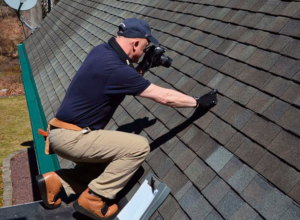
During an inspection, a roofing professional may examine shingles, flashing, roof edges, valleys, vents, and other areas where water can enter. They may also inspect the attic or interior ceiling to better understand the path of the water.
A careful inspection helps make roof leak repair more effective because it focuses on the source rather than only the visible result.
When Should You Contact a Roofing Professional?
Some minor maintenance tasks can be handled by homeowners, but serious roof damage requires professional attention. A damaged roof can present safety risks, particularly when materials are loose or the surface is wet.
You should contact a roofing professional when:
- Water is actively entering your home.
- Large areas of roofing material are missing.
- A tree or large object has struck the roof.
- You see major damage after severe weather.
- The ceiling has significant water stains or swelling.
- You cannot determine where a leak is coming from.
Professional assistance can provide a safer way to assess the problem and determine the appropriate next step.
Can Emergency Roof Damage Be Repaired?
Many emergency roofing problems can be repaired without replacing the entire roof. The correct solution depends on the size of the damaged area, the condition of the existing materials, and the overall age of the roof.
For example, a limited area of damage may only require replacement of affected materials. More widespread deterioration may require a larger repair or, in some situations, a complete roof replacement.
A reliable contractor should inspect the roof before recommending major work. Homeowners should understand what caused the damage and why a particular repair is being suggested.
Temporary Protection Can Prevent More Damage
Sometimes permanent repairs cannot be completed immediately. Weather conditions, the size of the damaged area, or material availability may affect the repair schedule.
In these situations, temporary protection may help prevent additional water from entering the property. A roofing professional can determine what protective measure is appropriate for the damaged area.
Temporary protection is not a permanent solution. Once conditions are safe, the underlying issue should be properly repaired to restore the roof’s ability to protect the home.
How Regular Maintenance Can Help
Roof emergencies cannot always be prevented, especially when severe weather is involved. However, regular maintenance can help identify small problems before they become serious.
Homeowners should pay attention to the condition of roofing materials, gutters, flashing, and roof openings. Checking the attic for signs of moisture can also provide useful information about the roof’s condition.
Professional inspections can be especially helpful when a roof is older or has experienced repeated weather exposure. Finding a damaged area early may allow it to be repaired before water reaches the interior of the home.
Choosing a Roofing Contractor for Emergency Work
When you need emergency roof repair, it is understandable to want help immediately. However, choosing the first contractor you find without checking their qualifications can create additional problems.
Look for a roofing professional who communicates clearly, explains the condition of the roof, and provides a reasonable explanation of the recommended work. Ask whether the proposed work is temporary or permanent and make sure you understand what the repair involves.
Experience is also important. A contractor who regularly handles roof leaks and weather related damage is more likely to understand how to identify the source of a problem and recommend an appropriate solution.
What Quality Roof Repair Should Accomplish
Good roof repair should do more than hide a visible leak. The goal is to address the damaged area, prevent further water entry, and restore the roof’s ability to protect the home.
A proper repair should also consider the surrounding area. If the original problem was caused by damaged flashing, deteriorated materials, or another underlying issue, that cause should be addressed as part of the repair.
Clear communication between the homeowner and contractor can make the entire process easier. Knowing what work is needed and why it is needed allows homeowners to make informed decisions.
Protect Your Home by Acting Early
Roof damage can be stressful, but taking prompt and sensible action can help protect your property. If water is entering your home, focus on safety, protect your belongings, and contact a qualified roofing professional as soon as possible.
Emergency roof repair can help limit the effects of sudden damage, while timely roof leak repair can address water entry before it causes more problems. Regular inspections and maintenance can also help homeowners identify concerns before they become emergencies.
When professional roofing assistance is needed, Blue Rock Roofing & Construction can provide dependable support for homeowners dealing with unexpected roof problems. Addressing roof damage early is one of the best ways to protect your home, reduce additional damage, and maintain a reliable roof for years to come.









Post Comment