Landscape Construction: A Guide to Creating a Functional Outdoor Space
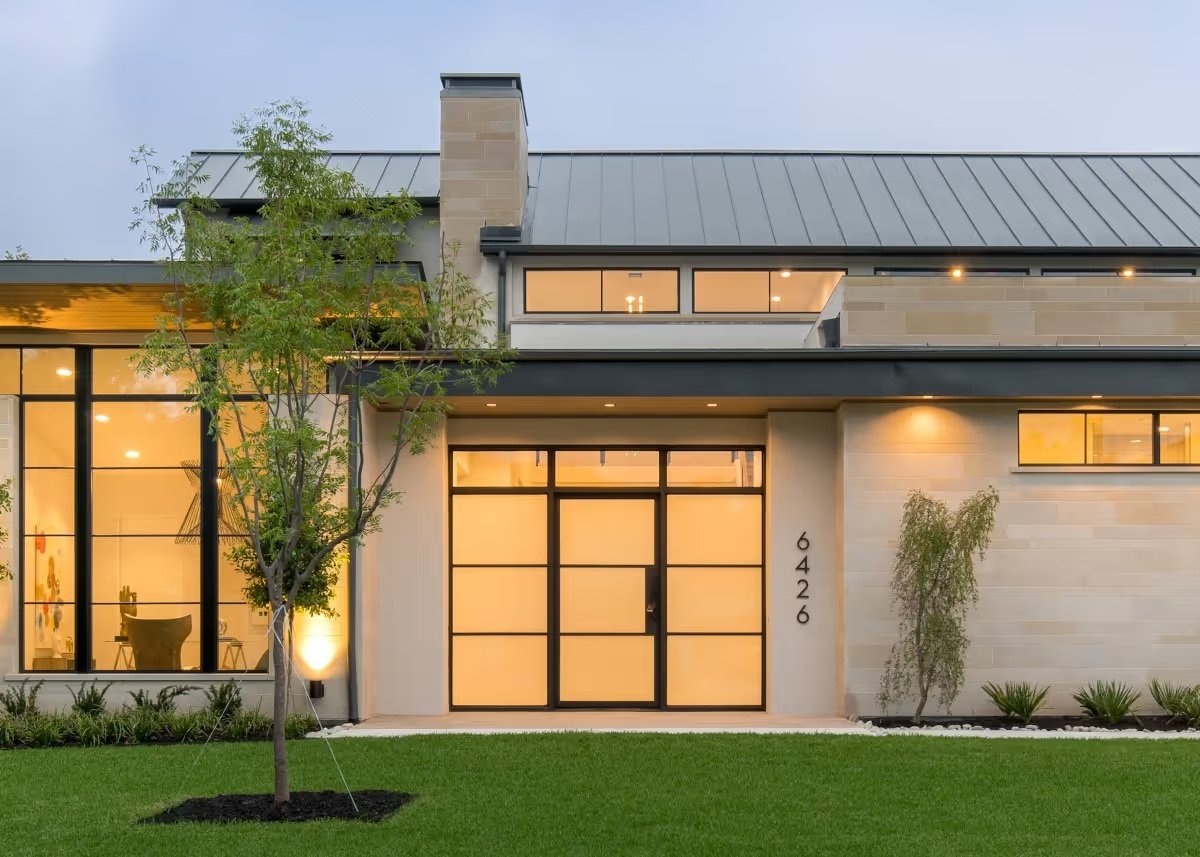
A beautiful yard can do much more than improve the appearance of a property. With the right design and construction, an outdoor area can become a comfortable place for family meals, gatherings, relaxation, gardening, and everyday activities. Thoughtful improvements can also make the yard easier to navigate and more enjoyable throughout the year.
Landscape construction focuses on building the physical features that give an outdoor space structure and purpose. Patios, walkways, retaining walls, outdoor kitchens, seating areas, steps, and other hardscape elements can transform the way a property looks and feels.
However, a successful project requires more than selecting attractive materials. The ground must be prepared properly, drainage needs to be considered, and each feature should be planned according to the property’s layout. When these details are handled carefully, the finished landscape can provide lasting function and visual appeal.
What Is Landscape Construction?
Landscape construction involves creating and installing built features in outdoor areas. The work can range from a single improvement to a complete transformation of a yard.
For example, a homeowner may want a new patio for outdoor dining or a walkway that connects the driveway to the backyard. A larger project might include a patio, retaining wall, outdoor kitchen, and connected pathways.
The construction process can include site preparation, excavation, grading, base installation, material placement, and finishing work. The exact steps depend on the project and the existing conditions of the property.
The goal is to create features that work well with the home, landscape, and lifestyle of the property owner.
Why Planning Should Come First
Good planning helps create an outdoor space that is both attractive and useful. Before construction begins, think about what you want to do in the space.
If you enjoy hosting guests, you may need an open area with comfortable seating. If outdoor meals are important, a patio near the kitchen may be convenient. If you have a large yard, walkways can help connect different areas.
The existing property also matters. Trees, slopes, fences, buildings, drainage patterns, and entrances can influence where new features should be placed.
Planning these details early can reduce unnecessary changes and help create a smooth connection between the home and outdoor space.
Popular Features for Outdoor Projects
Every property has different needs, so there is no single design that works for everyone. Some homeowners prefer simple improvements, while others want a complete outdoor living area.
Common features include:
- Patios, walkways, retaining walls, outdoor kitchens, seating areas, landscape steps, paver surfaces, natural stone features, fire features, and garden borders.
- Raised planting areas, decorative walls, outdoor structures, drainage improvements, and other hardscape elements that can improve the function and appearance of a yard.
The goal should be to choose features that serve a real purpose. Adding too many elements can make a space feel crowded and difficult to maintain.
Choosing the Right Materials
Materials have a major effect on an outdoor project’s appearance, durability, maintenance, and cost.
Pavers are commonly used for patios and walkways because they offer a wide range of patterns and styles. Natural stone can provide an organic appearance that works well with gardens and plants. Concrete is another versatile option for creating outdoor surfaces.
Consider the purpose of the area before choosing a material. A walkway used frequently may need different considerations than a decorative border.
The material should also complement the home. Coordinating colors, textures, and patterns can help the new construction feel connected to the existing property.
The Importance of Site Preparation
Proper site preparation provides a strong foundation for outdoor construction. Although much of this work happens below the finished surface, it can have a significant effect on the result.
Depending on the project, preparation may involve clearing vegetation, removing old surfaces, excavating soil, grading the ground, and preparing a suitable base.
If the foundation is not properly prepared, surfaces may become uneven, shift, or settle over time. Regular use and weather changes can make these issues more noticeable.
Careful preparation helps provide stability and supports a cleaner finished appearance.
Why Drainage Matters
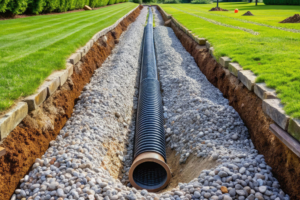
Water management should be considered before new outdoor features are installed. Rainwater needs a suitable path so it does not collect around patios, walkways, walls, or structures.
Poor drainage can contribute to standing water, erosion, muddy areas, and movement around hardscape features. Water can also affect nearby parts of the property if it is not managed correctly.
The natural slope of the yard, existing drainage paths, and location of structures should all be considered during planning.
A project that includes drainage considerations from the beginning can reduce the risk of water related problems later.
How to Find Landscape Hardscape Contractors Near Me
When searching for landscape hardscape contractors near me, you may see many local companies offering similar services. Choosing one requires careful comparison.
Price matters, but it should not be the only factor. Experience, previous projects, communication, materials, and construction practices can all influence the quality of the finished work.
A professional contractor should be able to explain the proposed project clearly. You should understand what will be built, which materials will be used, how the site will be prepared, and what the expected timeline looks like.
Before hiring a contractor, consider these points:
- Review previous projects, ask about experience with similar work, discuss material options, request a detailed estimate, understand the project timeline, and ask how site preparation and drainage will be handled.
- Read customer feedback, clarify the scope of work, ask what is included in the estimate, discuss maintenance needs, and make sure important project details are clearly explained before construction begins.
Clear communication can help prevent misunderstandings and make the project easier to manage.
Designing a Patio Around Your Lifestyle
A patio can become the main gathering area of an outdoor space. It can provide room for dining, relaxing, entertaining, or spending time with family.
Location is important. A patio close to the kitchen may be convenient for outdoor meals, while a patio farther into the yard can create a quieter setting.
Size also matters. Think about the furniture you plan to use and leave enough space for people to move comfortably.
The patio should also connect naturally with walkways, planting areas, and other features.
Creating Practical Walkways
Walkways can improve access and help organize an outdoor space. They can connect the driveway with the entrance, lead to a patio, or provide access to gardens and other areas.
A practical walkway should follow a natural route and provide enough room for comfortable movement.
Material selection should also complement the rest of the property. A well designed path can become both a useful feature and an attractive part of the landscape.
Making Sloped Areas More Useful
Sloped properties can present challenges, especially when certain areas are difficult to access. Construction features can help make these spaces more functional.
Retaining walls can define different sections of a yard and help organize changes in elevation. Steps can improve movement between levels, while pathways can connect different areas.
Because slopes can affect soil movement and drainage, these projects require careful planning. The solution should be based on the actual conditions of the property.
Creating an Outdoor Living Area
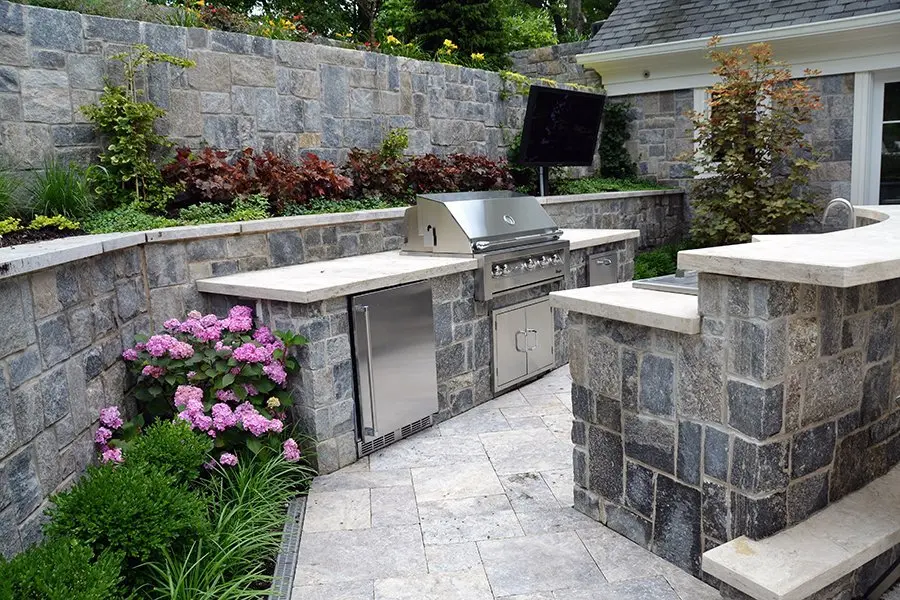
Outdoor living spaces can provide an extension of the home. Depending on your needs, an area might include seating, dining space, cooking features, or entertainment areas.
Think about your daily habits when planning the layout. If you often invite family and friends, an open design may work well. If you prefer relaxing alone, you may want a more private setting.
Lighting, planting, furniture, and hardscape features can work together to create a comfortable atmosphere.
Maintenance Should Be Considered
Outdoor features need care after construction. Maintenance requirements should therefore be considered before choosing materials and designs.
Surfaces may require cleaning, planting areas need regular attention, and drainage features should remain clear.
If you prefer a low maintenance yard, discuss practical materials and manageable designs with your contractor.
A good outdoor space should make life more enjoyable rather than create unnecessary work.
Planning for the Future
Your outdoor needs may change over time. Planning ahead can make it easier to adapt the space later.
For example, a patio can be designed with flexible space for different furniture arrangements. Walkways can be positioned to allow future planting or outdoor features.
If you plan to complete a large project in stages, consider the entire layout from the beginning. This can make future improvements easier to integrate.
Balancing Beauty and Function
An attractive outdoor space should also be practical. Hardscape features need to work with plants, open areas, and the architecture of the home.
Scale is important. Large features can overwhelm a small yard, while small features may not provide enough function in a large property.
A balanced combination of materials, textures, planting, and open space can create an environment that feels natural and inviting.
Conclusion
Landscape construction can transform a basic yard into a comfortable, functional, and attractive outdoor environment. Patios, walkways, retaining walls, outdoor living areas, and other features can improve the way a property is used while adding structure and visual appeal.
If you are searching for landscape hardscape contractors near me, compare experience, previous projects, communication, materials, estimates, and construction practices before making a decision. Careful planning can help ensure that the finished space matches your lifestyle and works naturally with your property.
Kingswood Landscape provides landscape construction and hardscape solutions designed to create practical, attractive, and thoughtfully planned outdoor spaces that suit the unique needs of each property.






Post Comment