The Importance of Healthcare Facility Maintenance in Modern Medical Environments
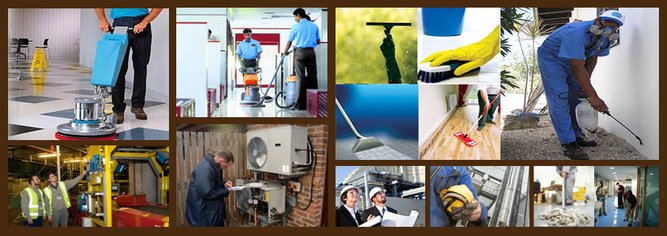
Healthcare facility maintenance plays a critical role in keeping medical buildings safe, functional, and efficient. Healthcare spaces require constant attention because patients, staff, and visitors depend on clean and reliable environments.
Unlike regular commercial buildings, healthcare facilities face unique challenges. They must maintain strict hygiene standards, manage complex equipment, and support continuous operations. Therefore, effective maintenance planning becomes essential for hospitals, clinics, and healthcare centers.
Medical facilities require more than basic repairs. They need organized systems that address building conditions, sanitation, safety, and operational efficiency. Moreover, professional maintenance practices help healthcare organizations create better environments for patient care.
A structured maintenance approach reduces unexpected problems. Additionally, it supports compliance with industry requirements and improves the overall performance of healthcare facilities.
Understanding Healthcare Facility Maintenance Requirements
Healthcare buildings operate around the clock. As a result, maintenance teams must manage multiple responsibilities without interrupting essential services.
These facilities include patient rooms, treatment areas, laboratories, waiting spaces, and administrative offices. Each area has different maintenance needs. Therefore, teams must create specific plans for every section.
Regular inspections help identify potential issues early. They allow maintenance professionals to address concerns before they affect healthcare operations.
Furthermore, healthcare environments require careful handling of equipment and infrastructure. Small issues can create major disruptions if teams do not resolve them quickly.
Key Areas Covered in Healthcare Maintenance
Healthcare maintenance involves several important functions that support building performance.
- Electrical system management: Ensures reliable power for medical equipment and facility operations.
- HVAC maintenance: Supports proper temperature control and indoor air quality.
- Plumbing inspections: Prevents leaks and water-related issues.
- Safety system checks: Maintains alarms, emergency systems, and protective equipment.
- Cleaning and sanitation support: Helps maintain hygienic healthcare spaces.
Additionally, maintenance teams monitor building conditions regularly. This approach improves reliability and reduces operational risks.
Why Healthcare Facilities Need Specialized Maintenance Planning
Healthcare environments require detailed planning because they serve sensitive purposes. A small facility issue can affect patients, employees, and visitors.
Therefore, maintenance teams must follow organized schedules. Preventive maintenance helps reduce equipment failures and unexpected repairs.
For example, regular HVAC inspections help maintain comfortable indoor conditions. Similarly, electrical checks prevent interruptions that could affect important systems.
Moreover, healthcare organizations benefit from professional support that understands medical facility requirements. Proper planning improves response times and strengthens overall facility performance.
The Role of Clean and Safe Healthcare Environments
Cleanliness directly influences healthcare quality. Medical facilities must maintain high hygiene standards to support patient safety and comfort.
Maintenance teams work alongside cleaning professionals to maintain suitable conditions. They monitor building systems, repair issues, and support sanitation efforts.
Furthermore, organized maintenance reduces environmental risks. Proper ventilation, functioning plumbing, and safe infrastructure contribute to better healthcare spaces.
Professional commercial facility solutions help healthcare organizations manage different operational needs. These solutions combine maintenance planning, building support, and service coordination.
As a result, healthcare providers can focus more effectively on patient care while maintaining reliable facilities.
How Preventive Maintenance Improves Healthcare Operations
Preventive maintenance focuses on identifying problems before they become serious. This approach helps healthcare facilities avoid costly repairs and service interruptions.
Regular inspections allow teams to monitor equipment performance. They can replace damaged components and complete necessary adjustments before failures occur.
Additionally, preventive maintenance improves the lifespan of building systems. Proper care protects expensive equipment and reduces unnecessary replacement costs.
Healthcare organizations also benefit from improved budgeting. Planned maintenance expenses are easier to manage compared to emergency repairs.
Therefore, preventive strategies create more stable and efficient healthcare environments.
Technology and Healthcare Facility Management
Technology has changed how healthcare facilities manage maintenance activities. Digital systems now help teams monitor equipment, track repairs, and organize schedules.
Facility management software provides better visibility into maintenance tasks. Managers can review reports and identify areas requiring attention.
Moreover, smart monitoring systems help detect issues earlier. Sensors can track building conditions and provide important performance information.
Technology also improves communication between different teams. Maintenance staff can respond faster because they have access to accurate information.
Consequently, healthcare facilities can improve efficiency while maintaining high operational standards.
Choosing the Right Maintenance Approach for Healthcare Buildings
Healthcare organizations should consider several factors when developing maintenance strategies. Experience, reliability, response speed, and technical knowledge all influence results.
A suitable facilities company should understand healthcare-specific challenges. Medical buildings require careful planning because many systems operate continuously.
Furthermore, maintenance teams should follow proper safety procedures. Training and experience help professionals manage complex healthcare environments effectively.
Regular reviews also improve maintenance programs. Facilities can adjust their strategies based on changing requirements and operational needs.
Sustainability in Healthcare Facility Management
Sustainability has become an important consideration for healthcare organizations. Efficient facility management helps reduce resource waste while maintaining quality standards.
Energy-efficient systems support better resource control. Proper lighting, HVAC management, and equipment maintenance can improve energy performance.
Additionally, sustainable maintenance practices support long-term facility goals. They help organizations manage costs while creating responsible healthcare environments.
Healthcare facilities increasingly focus on balancing operational efficiency with environmental responsibility. Therefore, maintenance strategies continue to evolve.
Improving Healthcare Facilities Through Professional Support
Professional maintenance support helps healthcare organizations manage complex building requirements. It provides structured processes that improve reliability and efficiency.
About CFS provides insights into organized facility management approaches that support different workplace environments. Effective maintenance systems remain important for healthcare buildings because they require consistent attention.
Moreover, professional support helps reduce facility-related challenges. Teams can maintain better conditions while addressing issues quickly.
A well-managed healthcare facility creates a stronger foundation for quality services. Therefore, maintenance remains an essential part of healthcare operations.
Conclusion
Healthcare buildings require consistent care to maintain safe and effective environments. Healthcare facility maintenance supports medical organizations by improving reliability, safety, and operational performance.
Regular inspections, preventive strategies, and professional support help healthcare facilities manage daily challenges. Moreover, proper maintenance protects valuable systems and creates better conditions for patients and staff.
As healthcare demands continue to grow, organized maintenance practices become increasingly important. Through effective planning and dependable support, organizations can maintain stronger healthcare environments with reliable healthcare facility maintenance.




Post Comment