Women’s Perfume Guide: How to Choose Your Signature Scent
Introduction
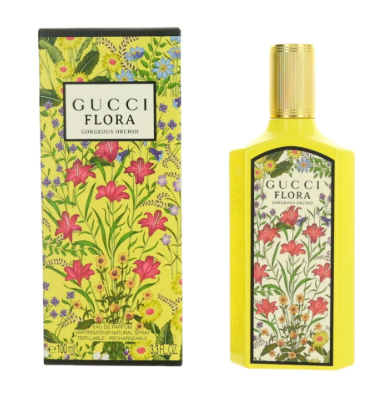
Walking through a fragrance counter can feel overwhelming — dozens of bottles, each one promising to be “the one.” Finding your Women’s Perfume match isn’t about picking whatever smells nice in the store that day.
It’s about understanding your skin, your habits, and what you actually want people to remember about you after you’ve left the room. This guide breaks down exactly how to narrow things down, from fragrance families to layering tricks, so you stop guessing and start choosing with confidence.
Understanding Fragrance Families First
Before you even sniff a bottle, it helps to know what you’re smelling. Every perfume falls into a broader category, and once you recognize the pattern, shopping gets a whole lot easier. Think of these families as flavor profiles — some people gravitate toward sweet and warm, others want crisp and clean.
Knowing your lane saves you from wasting money on scents that never quite feel like “you,” even if they smelled lovely on the tester strip at the store. The main groups are floral, oriental (or amber), woody, and fresh. Floral scents lean on notes like rose, jasmine, and peony — soft, romantic, and often the most universally loved category.
Oriental fragrances bring warmth through vanilla, amber, and spice, and they tend to last longer on skin. Woody scents use sandalwood, cedar, or vetiver for something grounded and a bit more unisex. Fresh fragrances — citrus, green, aquatic — are the ones you reach for on a hot day when you want something that reads clean rather than heavy.
How Skin Chemistry Changes Everything
Here’s something a lot of people don’t realize until they’ve been burned by a bad purchase: the same perfume can smell completely different on two people. Your skin’s pH, oil levels, and even your diet affect how a fragrance develops once it hits your body. That gorgeous scent your friend wears?
It might turn sharp or soapy on you. This is exactly why testing on skin matters so much more than testing on paper. Dry skin tends to hold onto fragrance less effectively, meaning scents fade faster and may need reapplication throughout the day. Oilier skin, on the other hand, amplifies and extends a fragrance, sometimes making it read stronger than intended.
If you’ve ever bought a perfume that smelled incredible in the shop and disappointing by lunchtime, skin type is probably the culprit. A smart move is to spray a small amount on your wrist or inner elbow and wait at least thirty minutes before deciding — the top notes fade and the true heart of the scent takes over.
Matching Scent to Occasion
Not every perfume belongs in every setting, and treating fragrance like an accessory — something you switch based on context — actually makes the whole experience more fun. Office-appropriate scents tend to sit lighter and cleaner, while evening or date-night fragrances can afford to be bolder and more expressive. Building a small rotation rather than committing to one bottle forever gives you room to match your scent to your mood and the room you’re walking into.
For daytime wear, citrus and light floral blends work well because they’re pleasant without overwhelming coworkers in a small meeting room. Evening events call for something with more depth — think amber, musk, or a rich floral like tuberose that unfolds slowly over the night.
Special occasions, like weddings or anniversaries, are a good excuse to reach for a statement fragrance, something with real staying power and a story behind it. If you’re shopping for pieces to build this kind of rotation, browsing a dedicated Women’s Perfume collection at Parfum Station gives you a wide range across brands and price points to pull from.
Concentration Levels and What They Actually Mean
Labels like EDT, EDP, and parfum get thrown around constantly, but few people actually know what separates them beyond price. It comes down to concentration — how much actual fragrance oil is dissolved in the alcohol base. Higher concentration generally means longer wear and a richer scent trail, but it also usually means a higher price tag.
Knowing this distinction helps you avoid overpaying for something that won’t last, or underpaying for something you’ll need to reapply every two hours. Eau de toilette typically sits around 5 to 15 percent fragrance oil, giving a lighter, more fleeting wear that’s great for daytime or hot climates. Eau de parfum ranges closer to 15 to 20 percent, offering noticeably better longevity and depth, which is why it’s often the go-to for a signature scent.
Pure parfum, or extrait, sits at the top with concentrations that can reach 20 to 30 percent, making it the most intense and longest-lasting option, though usually the priciest per bottle. Understanding this scale means you can choose based on how long you actually need the scent to last, rather than just going with whatever’s cheapest on the shelf.
The Role of Top, Heart, and Base Notes
A perfume isn’t one static smell — it’s a sequence. What you smell in the first five minutes is rarely what lingers hours later, and that’s by design. Perfumers build fragrances in layers so the experience evolves as it wears, which is part of why a bottle can smell completely different by evening than it did that morning.
Top notes are the first impression, usually light and volatile — citrus, herbs, or something sharp that fades within fifteen to thirty minutes. Heart notes, sometimes called middle notes, emerge next and form the actual character of the fragrance; this is often where florals or spices take center stage.
Base notes are the foundation, the ones that linger for hours and give a perfume its staying power — think musk, vanilla, or woods. When you’re testing a new scent, don’t judge it in the first minute. Give it time to move through all three stages before deciding whether it’s actually right for you.
Building a Signature Scent Wardrobe
There’s a common misconception that you have to pick one perfume and wear it forever to have a “signature.” In reality, most people who are genuinely known for their scent actually rotate a small handful of fragrances depending on season, mood, or occasion.
The consistency comes from a pattern — maybe you always lean warm and spicy in winter, or always reach for something green and fresh in summer — not from a single bottle. Start with two or three fragrances that cover different needs: something light for daily wear, something richer for evenings, and maybe a seasonal pick you swap in and out.
Pay attention to which compliments you get the most — that’s usually a strong signal of what genuinely suits your chemistry. Over time, you’ll notice a pattern in what people associate with you, and that pattern becomes your signature, even if it isn’t tied to one single bottle.
Common Mistakes to Avoid When Choosing
A lot of fragrance regret comes down to a handful of avoidable mistakes. Rushing the decision is probably the biggest one — spraying five different scents on your arm at once and trying to judge them all within a minute is a recipe for confusion, since the notes blend and muddy each other.
Buying based purely on how a scent smells on someone else is another trap, given how much skin chemistry varies from person to person. Storage matters too, and it’s often overlooked. Perfume degrades faster when it’s kept in direct sunlight, humid bathrooms, or extreme temperatures, so a cool, dark drawer is a better home for your collection than a windowsill.
Lastly, don’t ignore the dry-down. That first spray is exciting, but the real test of whether a perfume suits you happens after it’s had time to settle on your skin for an hour or two.
Frequently Asked Questions
How long should a bottle of perfume last me?
With regular use — a couple of sprays a day — a 100ml bottle typically lasts anywhere from six months to a year, depending on how heavy-handed you are with application.
Is it bad to mix or layer different perfumes?
Not at all. Layering a lighter scent under a richer one, or combining two complementary fragrances, is a common way to create something that feels more personal and unique.
Why does my perfume smell different by the end of the day?
That’s the base notes taking over. What you smell hours later is usually the foundation of the fragrance, not the bright top notes you noticed on first spray.
Should I buy a full bottle without testing it first?
It’s worth avoiding, if possible. Skin chemistry varies too much to trust a description alone — even a small sample worn for a full day tells you far more than a paper strip ever could.
Does perfume expire?
Yes, though it takes time. Most fragrances stay good for three to five years if stored properly, away from heat and light, though the scent can shift subtly as it ages.
Conclusion
Choosing a fragrance you’ll actually love comes down to patience more than anything else — testing on skin, giving it time to develop, and paying attention to how it fits your actual life rather than just the moment you’re standing at the counter.
There’s no universal “correct” scent, only the one that feels honestly like you when it settles in. Take your time with it, and don’t be afraid to build a small rotation instead of hunting for one perfect bottle.




Post Comment