Why Is Aluminum Fabrication Ideal For Custom Projects?
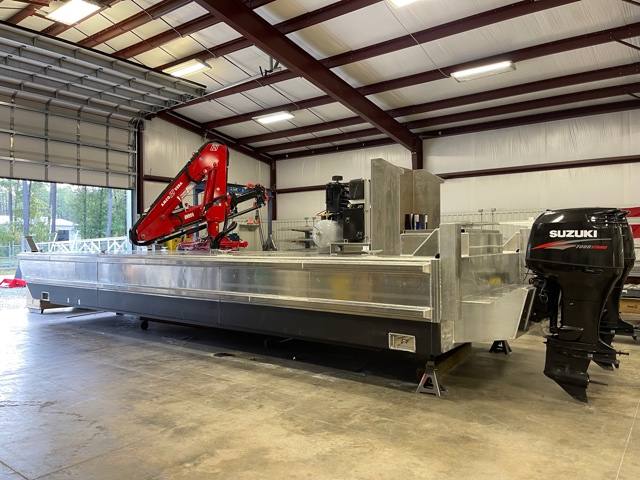
A custom project rarely fits a standard solution. Manufacturers often need components that match exact dimensions, demanding environments, weight limits, and performance goals. That is where Marine aluminum fabrication largo can serve as an example of how specialized fabrication meets unique requirements. Aluminum fabrication gives manufacturers the flexibility to create precise, durable, and lightweight components while maintaining practical production costs. As a result, it has become a valuable choice for projects across many industries.
What Makes Aluminum Suitable for Custom Projects?
Custom manufacturing requires materials that can adapt to different designs without creating unnecessary production challenges. Aluminum offers several properties that make it well suited for this purpose.
It is relatively lightweight compared with many other structural metals, yet it provides useful strength for a wide range of applications. Manufacturers can also select from different aluminum alloys depending on the project’s required strength, corrosion resistance, machinability, and other performance characteristics.
Another advantage is its workability. Fabricators can cut, bend, machine, drill, form, and weld aluminum to produce components with specific shapes and dimensions.
This flexibility matters when a project includes unusual measurements, limited installation space, complex angles, or specialized mounting requirements.
Key Benefits of Aluminum Fabrication for Custom Manufacturing
The right fabrication material can affect everything from product performance to installation and maintenance. Aluminum offers several practical benefits that can help manufacturers solve common custom-project challenges.
Lightweight Construction
Weight can become a major concern when designing transportation equipment, marine components, industrial structures, enclosures, or mobile systems.
Aluminum provides a favorable strength-to-weight relationship. A properly selected alloy can deliver the required structural performance without adding unnecessary mass.
Reducing weight may also simplify handling, transportation, and installation. For projects where every pound matters, this can provide an important practical advantage.
Corrosion Resistance
Custom components are not always used in controlled indoor environments. Some operate around moisture, chemicals, saltwater, humidity, or changing weather conditions.
Aluminum naturally forms a thin oxide layer when exposed to air. This protective layer helps the material resist corrosion, although the actual performance depends on the alloy, environment, surface condition, and design.
For outdoor and marine applications, material selection and fabrication quality remain important. Proper design can help reduce areas where moisture becomes trapped and improve long-term performance.
Design Flexibility
A custom project often begins with a problem rather than a standard product specification. The component may need to fit around existing equipment or meet a very specific dimensional requirement.
Aluminum fabrication makes it possible to create parts according to detailed drawings and project specifications. Fabricators can combine cutting, forming, machining, and welding processes to produce a finished component that fits the intended application.
This flexibility can be particularly valuable for prototypes, replacement parts, specialized equipment, and low-volume production.
Efficient Machining and Processing
Aluminum is generally easier to machine than many harder metals, although machining requirements vary by alloy and application.
When fabrication and machining are planned together, manufacturers can create accurate holes, slots, mounting surfaces, brackets, frames, and other features.
Efficient processing can help reduce unnecessary material waste and simplify assembly. However, experienced fabricators still need to select appropriate tooling, speeds, feeds, welding methods, and finishing techniques for the specific alloy.
How Aluminum Fabrication Supports Different Custom Applications
One reason manufacturers choose aluminum is its versatility. The same broad material family can support projects with very different requirements.
| Application | Why Aluminum Can Be Useful | Common Custom Components |
|---|---|---|
| Marine | Lightweight and corrosion-resistant properties | Frames, brackets, platforms |
| Transportation | Reduced weight and practical strength | Panels, supports, enclosures |
| Industrial Equipment | Flexible fabrication and machining | Guards, frames, housings |
| Construction | Lightweight structural and architectural options | Railings, panels, supports |
| Energy Systems | Outdoor durability and low weight | Mounts, frames, enclosures |
| Commercial Products | Clean appearance and design flexibility | Fixtures, cabinets, components |
The specific alloy and fabrication method should always match the project’s operating conditions. A material that works well for one application may not be appropriate for another.
Why Custom Design Matters in Aluminum Fabrication
A successful fabrication project begins before metal is cut. Clear design requirements help the fabricator determine the best material, dimensions, joining methods, and finishing process.
Accurate Measurements Reduce Problems
Small dimensional errors can create significant problems during assembly. A bracket that is slightly too large may interfere with another component, while an incorrectly positioned hole can delay installation.
Manufacturers should provide accurate drawings, dimensions, tolerances, material specifications, and load requirements whenever possible.
When measurements are uncertain, a site assessment or prototype may help identify potential issues before full production begins.
Material Selection Affects Performance
Not all aluminum alloys have the same characteristics. Some offer higher strength, while others may provide better formability, machinability, or corrosion performance.
The fabrication team should consider factors such as:
- Required structural strength
- Exposure to moisture or chemicals
- Welding requirements
- Machining needs
- Operating temperature
- Expected service life
- Surface finish requirements
- Project budget
Choosing the right alloy at the beginning can prevent costly changes later.
Fabrication Tolerances Should Match the Application
Not every component requires extremely tight tolerances. Specifying tighter tolerances than necessary can increase machining time and project costs.
A better approach is to define tolerances based on how the component will function. Critical mating surfaces may require greater precision, while noncritical dimensions may allow more flexibility.
This balance helps manufacturers control costs without sacrificing performance.
How Aluminum Fabrication Can Improve Project Efficiency
Custom fabrication is not only about producing a physical component. It is also about making the overall project easier to manage.
When fabrication is planned around the final application, manufacturers can reduce unnecessary assembly steps. For example, a custom-fabricated frame may include mounting points, access openings, brackets, and other features that would otherwise require separate parts.
This can reduce the number of components that workers need to assemble on-site. It may also shorten installation time and simplify future maintenance.
Combining Multiple Features Into One Component
A custom aluminum component can sometimes replace several standard pieces. Instead of purchasing separate brackets, supports, and panels, a manufacturer may be able to fabricate one integrated assembly.
This approach can reduce connection points and create a cleaner finished design. It may also make inspection and maintenance more straightforward.
However, integration should not come at the expense of serviceability. Designers should still provide adequate access to components that require inspection, adjustment, or replacement.
Aluminum Fabrication for Marine and Outdoor Projects
Marine environments place demanding requirements on materials. Saltwater exposure, humidity, vibration, temperature changes, and constant mechanical loads can all influence component performance.
Aluminum is widely used in marine applications because of its combination of relatively low weight and corrosion resistance. It can be fabricated into platforms, railings, brackets, frames, access structures, equipment supports, and other specialized components.
However, marine aluminum fabrication requires attention to alloy selection, welding practices, joint design, fasteners, drainage, and potential galvanic corrosion when dissimilar metals are involved.
For this reason, manufacturers should work with fabricators who understand the conditions in which the finished component will operate.
How to Choose the Right Fabrication Partner
The quality of a custom component depends on more than the raw material. Fabrication accuracy, equipment, workmanship, communication, and quality control all influence the final result.
Review Relevant Experience
Look for a fabrication company with experience handling projects similar to yours. A fabricator familiar with industrial, marine, structural, or commercial work is more likely to understand the challenges associated with that application.
Ask about previous projects, available fabrication capabilities, and the types of aluminum alloys the company regularly works with.
Confirm Fabrication Capabilities
Different projects require different equipment. Depending on the design, you may need cutting, forming, CNC machining, welding, drilling, grinding, or finishing.
Before placing an order, confirm that the fabricator can complete the required processes accurately. If several processes must be outsourced, project coordination can become more complicated.
Discuss Quality Control
Quality control should be part of the process rather than something considered at the end.
Ask how the company checks dimensions, welds, surface condition, and other critical characteristics. For projects with strict requirements, documentation and inspection procedures may also be necessary.
Consider Communication
Custom work often involves adjustments. Clear communication between the manufacturer and fabricator can prevent misunderstandings about dimensions, materials, tolerances, finishes, and delivery requirements.
A strong working relationship also makes it easier to identify potential design problems before production begins.
Practical Tips for Planning a Custom Aluminum Project
A little preparation can make the fabrication process smoother and more predictable.
Define the Application First
Start by explaining what the component needs to do. Describe its expected loads, environment, operating conditions, installation method, and maintenance requirements.
This information gives the fabricator context for making appropriate recommendations.
Provide Complete Drawings
Whenever possible, provide detailed drawings or CAD files that include dimensions, tolerances, material requirements, hole locations, finishes, and other important specifications.
If the design is still being developed, discuss the concept with the fabricator early. Their practical experience may help identify manufacturing challenges before the design is finalized.
Think About Installation
A component that looks perfect on paper may still be difficult to install. Consider access, fasteners, lifting requirements, available workspace, and how the finished component will connect to surrounding equipment.
Designing for installation can save significant time once the project reaches the job site.
Plan for Maintenance
Custom components should be designed with their entire service life in mind. Consider cleaning, inspection, repairs, replacement of connected parts, and access to critical areas.
A slightly more thoughtful design at the beginning can make future maintenance much easier.
When Aluminum May Not Be the Best Choice
Although aluminum is highly versatile, it is not automatically the right material for every project.
Applications involving extreme temperatures, very high loads, specific chemical exposures, severe abrasion, or other demanding conditions may require a different alloy or metal altogether.
The goal should not be to choose aluminum simply because it is lightweight or corrosion-resistant. Instead, manufacturers should compare the material’s properties with the actual demands of the application.
A qualified fabricator can help evaluate the requirements and determine whether aluminum provides an appropriate balance of performance, cost, weight, and durability.
Why Custom Fabrication Can Deliver Better Value
The cheapest material or fabrication quote is not always the least expensive solution over the life of a project.
A poorly designed component can create installation delays, premature repairs, excessive maintenance, or replacement costs. Custom aluminum fabrication can provide better value when it produces a component that fits correctly, performs reliably, and supports efficient installation.
Moreover, custom work allows manufacturers to address the actual requirements of an application rather than modifying a standard component to fit. That difference can be particularly important for specialized machinery, marine equipment, industrial systems, and replacement components.
Conclusion
Custom projects demand more than off-the-shelf components. They require materials and fabrication methods that can adapt to specific dimensions, operating conditions, performance goals, and installation requirements. Aluminum fabrication offers a practical combination of lightweight construction, corrosion resistance, workability, and design flexibility. When manufacturers pair the right alloy with accurate engineering, skilled fabrication, and thoughtful quality control, they can create components that deliver dependable long-term value. The key is to treat material selection and fabrication as part of the overall design process. With the right planning and fabrication partner, aluminum can be an effective solution for a wide range of custom manufacturing challenges.
FAQs
1. Why is aluminum good for custom fabrication?
Aluminum is lightweight, workable, and available in different alloys with varying strength and performance characteristics. It can also be cut, formed, machined, and welded into many custom shapes.
2. Is aluminum suitable for outdoor applications?
Yes, aluminum can work well outdoors because it naturally develops an oxide layer that provides corrosion resistance. However, the alloy, design, environmental exposure, and finishing requirements should be evaluated for each project.
3. Can aluminum be used for marine projects?
Yes. Aluminum is commonly used for various marine components because of its relatively low weight and corrosion-resistant properties. Proper alloy selection, welding, joint design, and protection against galvanic corrosion remain important.
4. How can custom aluminum fabrication reduce project costs?
A properly designed custom component can combine multiple functions, reduce assembly work, simplify installation, and minimize unnecessary material. These advantages can lower overall project costs even when the initial fabrication requires specialized work.
5. What should I provide to an aluminum fabricator?
Provide drawings, dimensions, tolerances, material requirements, expected loads, environmental conditions, finish specifications, and installation details. The more complete the project information, the easier it is to produce an accurate solution.





Post Comment