Why Every High-Traffic Location Needs a Cold Drink Vending Machine Today
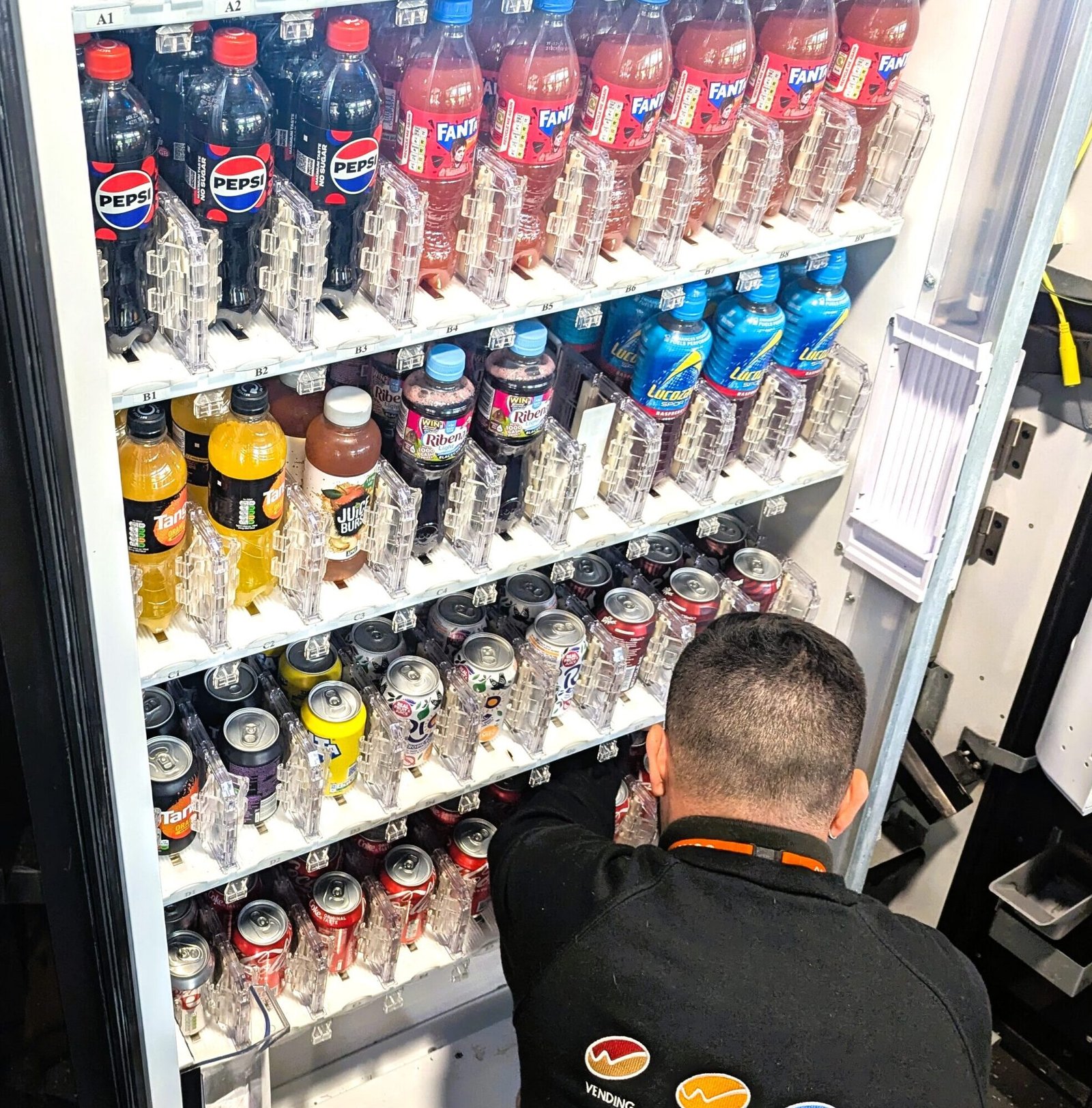
Foot traffic is the lifeblood of any commercial space, and where people gather, the need for refreshment follows without exception. Whether it is a busy shopping centre, a corporate office lobby, a university campus, a gym, or a transport hub, the expectation of accessible, cold beverages is no longer a luxury — it is a baseline standard. A cold drink vending machine in Australia has evolved from a novelty appliance into an essential service point, and businesses that recognise this early are already reaping the rewards of increased visitor satisfaction and passive revenue generation.
Australian summers are unforgiving, and even during cooler months, the pace of modern life means people rarely pause long enough to seek out a café or convenience store. When a chilled drink is available steps away from where someone stands, the decision to purchase is almost automatic. This behavioural pattern is precisely why high-traffic locations that invest in automated beverage solutions consistently outperform those that do not.
What Makes a Location “High-Traffic” and Why Does It Matter?
A high-traffic location is any space that processes a significant and consistent volume of people daily. This includes hospitals, aged care facilities, sports stadiums, schools, industrial warehouses, hotel lobbies, transit stations, and large retail outlets. What these environments share is a captive audience: people who are present for a purpose, often time-constrained, and unlikely to leave the premises to satisfy a thirst.
For operators of these spaces, that captive audience represents a genuine commercial opportunity. Placing a cold drink dispenser in a strategic position within these environments converts idle foot traffic into a revenue stream with virtually zero ongoing effort. Unlike a staffed kiosk or a café, a vending machine requires no rostering, no wage overhead, and no opening hours management. It operates continuously, restocking aside.
The Business Case Is Built on Behavioural Economics
Consumer psychology plays a central role in understanding why vending machines perform so reliably in busy environments. Studies in impulse purchasing behaviour consistently show that proximity and convenience are the two dominant drivers of unplanned purchases. When a cold drink is visible and accessible at the point of need, the barrier to purchase dissolves. The customer does not need to plan ahead, carry cash in many modern machine setups, or queue behind others.
Modern cold drink vending machines are designed with this psychology in mind. Touch-screen interfaces, contactless payment options including tap-and-pay and digital wallets, and clear product visibility through refrigerated glass panels all work together to reduce friction in the buying process. The simpler the transaction, the higher the conversion rate.
For facility managers and business owners, this translates into a compelling return proposition. The machine essentially sells itself, and the space it occupies in a corridor or break room begins generating income that would otherwise sit dormant.
Vending Machine Hire: A Low-Risk Entry Point for Business Owners
One of the most practical pathways to introducing a cold beverage solution into a high-traffic space is through vending machine hire. Rather than committing to a full capital purchase upfront, businesses can access fully operational, maintained, and stocked machines through a flexible hire arrangement. This model dramatically reduces the financial risk associated with trialling new revenue streams and allows operators to assess machine performance before making longer-term decisions.
Hire arrangements typically include installation, servicing, and restocking as part of the agreement, meaning the location host bears minimal operational responsibility. For many businesses, particularly those in the healthcare, education, and hospitality sectors, this hands-off model is ideal. It delivers the benefit without the burden.
The hire model also allows for machine upgrades as technology evolves. Newer machines with enhanced payment systems, larger screen displays, or expanded product capacity can be introduced without the sunk cost of having purchased an older unit outright. This kind of flexibility is particularly valuable in rapidly evolving commercial environments where visitor expectations shift with each passing year.
Product Range and Customisation: Meeting Diverse Consumer Needs
The cold drink category has expanded considerably in recent years, and modern vending machines are equipped to reflect that diversity. Still and sparkling water, sports drinks, energy beverages, flavoured milks, iced teas, coconut water, and cold-pressed juices can all be housed within a single machine. This range ensures that the machine appeals to a broad demographic, from the early morning gym-goer seeking electrolytes to the afternoon office worker reaching for something refreshing between meetings.
Machines can also be configured to reflect specific venue requirements. A children’s sports facility, for example, might prioritise low-sugar or natural drink options, while a construction site break room might lean toward high-caffeine or high-energy varieties. This level of product customisation ensures the machine remains relevant and well-used rather than becoming a neglected fixture.
Some suppliers also offer branded machine wraps or digital screen advertising, allowing the host location to align the machine aesthetically with its existing interior design or to generate additional advertising income from the display panel.
Frequently Asked Questions About Cold Drink Vending in High-Traffic Locations
Q. Does placing a cold drink vending machine in my business require any ongoing management from my team?
A: In most cases, no. Reputable vending machine providers handle all restocking, cleaning, and maintenance as part of the service agreement, meaning your staff are not required to manage the machine at any point. Your role as the host location is simply to provide the space and a power connection.
Q. How do vending machine suppliers determine the right machine size and product mix for my location?
A: Suppliers typically conduct a site assessment that considers daily foot traffic volume, the demographic profile of visitors, available floor space, and the proximity of competing food and beverage options. Based on this information, they recommend a machine configuration, product selection, and restocking frequency tailored specifically to your venue.
Q. Is a cold drink vending machine a viable option for smaller businesses with moderate foot traffic?
A: Absolutely. While the revenue potential scales with foot traffic, vending machines are designed to be profitable across a range of location types. Even a modest steady stream of visitors can generate consistent passive income, and the operational cost to the host is negligible when the machine is provided through a managed hire or placement arrangement.
The Environmental Angle: Responsible Vending in Modern Australia
Sustainability is an increasingly important consideration for Australian businesses and consumers alike. Leading vending machine providers are responding to this shift by incorporating energy-efficient refrigeration units, LED lighting systems, and packaging from suppliers committed to recyclable materials. Some machines are now fitted with power-saving modes that reduce energy consumption during low-traffic hours without compromising product temperature.
For businesses operating under environmental policies or working toward sustainability certifications, choosing a provider who aligns with these values is both practically and reputationally beneficial. Increasingly, customers notice and respond positively to visible sustainability commitments, and a machine that communicates these values through its branding or product curation contributes to that narrative.
Location Placement Strategy: Where the Machine Goes Matters as Much as the Machine Itself
Even the highest-quality vending machine will underperform if placed in a poor position. Effective placement requires an understanding of natural movement patterns within the space. Machines positioned near building entrances, lift lobbies, waiting areas, change rooms, and break rooms consistently outperform those tucked into peripheral or low-visibility areas.
Eye-level product visibility is equally important. A machine that customers can see from a distance, with well-lit displays and a clear product layout, invites engagement. Combined with strategic placement, a well-presented machine becomes part of the spatial experience rather than an afterthought.
Suppliers with experience across multiple venue types bring valuable placement insight to the installation process. They understand how people move through spaces and where purchasing intent is highest, and this expertise directly influences the commercial outcome for the host location.
The Competitive Advantage of Convenient Refreshment
Across every sector of Australian commercial life, convenience has become a key differentiator. Businesses that make the daily experience of their visitors smoother, more comfortable, and more satisfying build stronger loyalty, better reputations, and more consistent foot traffic over time. A well-placed, well-stocked cold drink vending machine contributes to all three outcomes.
The case for installation is not built on speculation. It rests on observable consumer behaviour, proven passive revenue potential, and the practical flexibility of modern supply models including hire arrangements that remove the cost and complexity barriers entirely. For high-traffic locations across Australia, the question is no longer whether to introduce a cold beverage solution but how quickly it can be done.




Post Comment