Why Bees Prefer Certain Building Materials Over Others
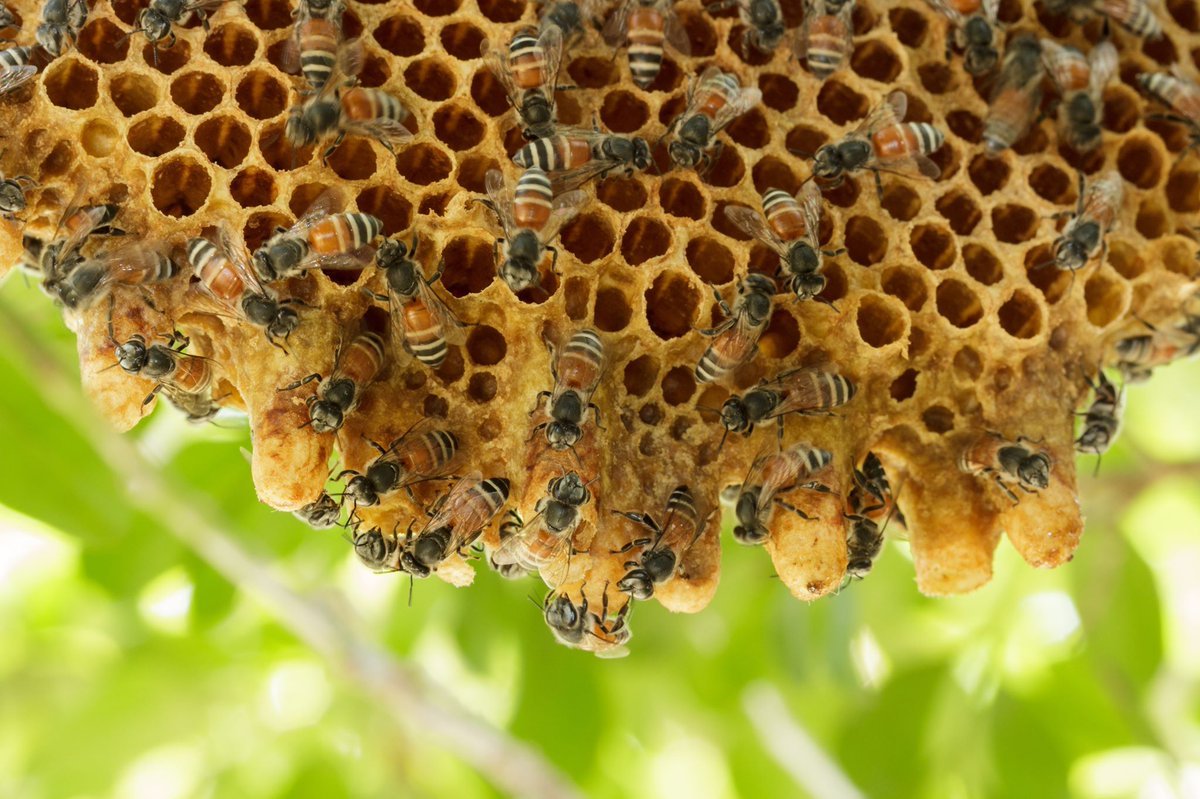
Many homeowners are surprised when insect activity appears around homes, garages, sheds, and commercial buildings. While flowering plants and gardens are commonly associated with pollinators, structures can also attract attention when they provide suitable conditions for shelter and colony development. Understanding why certain construction materials are more appealing than others helps property owners reduce unwanted activity while supporting environmentally responsible management practices.
The natural behavior of bees revolves around survival, reproduction, and colony protection. When searching for nesting opportunities, scout insects evaluate locations based on security, temperature stability, accessibility, and environmental protection. Buildings often provide these advantages, especially when construction materials create enclosed spaces that mimic natural nesting environments.
Throughout history, pollinators have nested in hollow trees, rock crevices, and other naturally protected cavities. Modern construction sometimes replicates these conditions unintentionally. Wall voids, roof cavities, wooden structures, and insulated spaces may provide shelter that resembles natural habitats.
Why Wooden Structures Often Attract More Interest
Among the many materials used in construction, wood frequently receives significant attention from nesting insects. Its natural characteristics create conditions that closely resemble environments found in nature, making it particularly attractive under certain circumstances. Wooden structures often contain small cracks, seams, and cavities that develop as materials age. These openings may provide access to sheltered interior spaces where colonies can establish themselves. Even well-maintained buildings can develop minor imperfections over time, increasing accessibility.
Temperature regulation represents another important factor. Wood naturally provides insulation, helping maintain relatively stable internal conditions. Consistent temperatures support colony development and reduce exposure to environmental extremes. The texture of wood can also influence behavior. Natural surfaces are easier for insects to explore and navigate compared with smooth materials such as metal or certain synthetic products. Weathered wood may become even more appealing as small openings expand and create additional shelter opportunities.
Sheds, fences, decks, and wooden outbuildings frequently experience greater exposure to environmental conditions than primary residences. As these structures age, they may develop characteristics that resemble natural nesting sites. Hollow spaces beneath decking, inside posts, or within wall cavities can become attractive locations.
Another advantage involves protection from predators and weather. Wooden construction often creates enclosed environments that shield colonies from rain, wind, and temperature extremes. Such protection increases long-term survival prospects and encourages exploration by scouting insects. Maintenance practices play a critical role in reducing attraction. Regular inspections, repairs, and sealing of openings help minimize opportunities for occupation. Property owners who address structural vulnerabilities promptly often experience fewer issues over time.
The Role of Insulation, Concrete, and Modern Construction Materials
While wood often receives considerable attention, other building materials can also influence nesting behavior. Modern construction combines numerous components, each affecting environmental conditions in unique ways. Insulation materials contribute significantly to temperature stability. Well-insulated walls and roofs maintain consistent internal conditions throughout changing seasons. From a nesting perspective, stable temperatures reduce environmental stress and improve overall comfort.
Foam insulation, fiberglass, and similar products do not directly attract colonies. However, when combined with accessible wall voids or structural openings, they can create protected spaces that support occupation. The surrounding environment often matters more than the insulation material itself. Concrete structures generally offer fewer opportunities for nesting compared with wood. Solid concrete walls provide limited access points and fewer internal cavities. Nevertheless, cracks, expansion joints, and structural gaps may still create opportunities for exploration.
Brick and masonry construction occupy a middle ground. While durable and relatively resistant to occupation, aging mortar joints and small openings can sometimes provide access to protected areas. Proper maintenance helps minimize these risks. Metal structures typically attract less attention because smooth surfaces offer fewer entry points and limited insulation properties. However, large industrial buildings, storage facilities, and metal sheds may still contain enclosed cavities that become attractive when other conditions are favorable.
When recurring activity develops around structures, homeowners sometimes seek professional guidance to identify contributing factors. Specialists associated with a trusted bee removal service in Placentia often evaluate construction features, environmental conditions, and access points to determine why particular locations attract attention while recommending humane relocation and prevention strategies.
Environmental Factors That Influence Material Preferences
Construction materials represent only one part of the equation. Environmental conditions surrounding a property often determine whether specific structures become attractive nesting opportunities. Temperature plays a particularly important role. Pollinators seek environments capable of maintaining stable internal conditions throughout daily and seasonal changes. Structures exposed to excessive heat or cold may be less desirable than those offering consistent protection.
Sunlight exposure influences temperature regulation significantly. Buildings receiving morning sun and afternoon shade may create more balanced conditions than structures subjected to intense solar heating throughout the day. These differences can affect nesting decisions. Water availability also contributes to site selection. Colonies require reliable access to hydration sources, particularly during warmer months. Properties featuring irrigation systems, ponds, fountains, or standing water often experience increased pollinator activity.
Landscape design affects movement patterns as well. Flowering plants provide essential resources that attract foraging insects. Structures located near abundant floral resources naturally receive greater attention than isolated buildings with limited vegetation. Wind protection represents another important consideration. Sheltered locations reduce environmental stress and improve colony stability. Buildings positioned behind natural barriers or within protected areas may offer advantages unavailable elsewhere.
Preventing Nesting Activity Through Better Building Maintenance
Effective prevention begins with understanding how structures become attractive in the first place. Once contributing factors have been identified, homeowners can implement practical measures that reduce nesting opportunities without harming beneficial pollinators. Regular inspections remain among the most effective strategies available. Examining walls, roofs, foundations, and exterior surfaces helps identify developing vulnerabilities before they become significant problems. Early detection allows for timely repairs and reduces long-term risks.
Sealing access points is particularly important. Small gaps, cracks, and openings often provide initial entry opportunities. Addressing these issues promptly helps prevent exploration from progressing into occupation. Roofline maintenance deserves special attention. Soffits, vents, flashing, and attic openings frequently create access pathways that remain unnoticed until activity becomes apparent. Routine evaluations help maintain structural integrity and discourage nesting attempts.
Landscaping practices can support prevention efforts as well. Maintaining appropriate separation between highly attractive flowering plants and vulnerable structures reduces exploration pressure while preserving valuable pollinator habitat elsewhere on the property. Moisture management contributes to overall success. Proper drainage, leak repairs, and ventilation improvements help maintain conditions that are less conducive to long-term occupation. Dry, well-maintained structures generally experience fewer issues than neglected properties.





Post Comment