What Makes Kids Bikes Easier to Control Compared to Regular Bikes
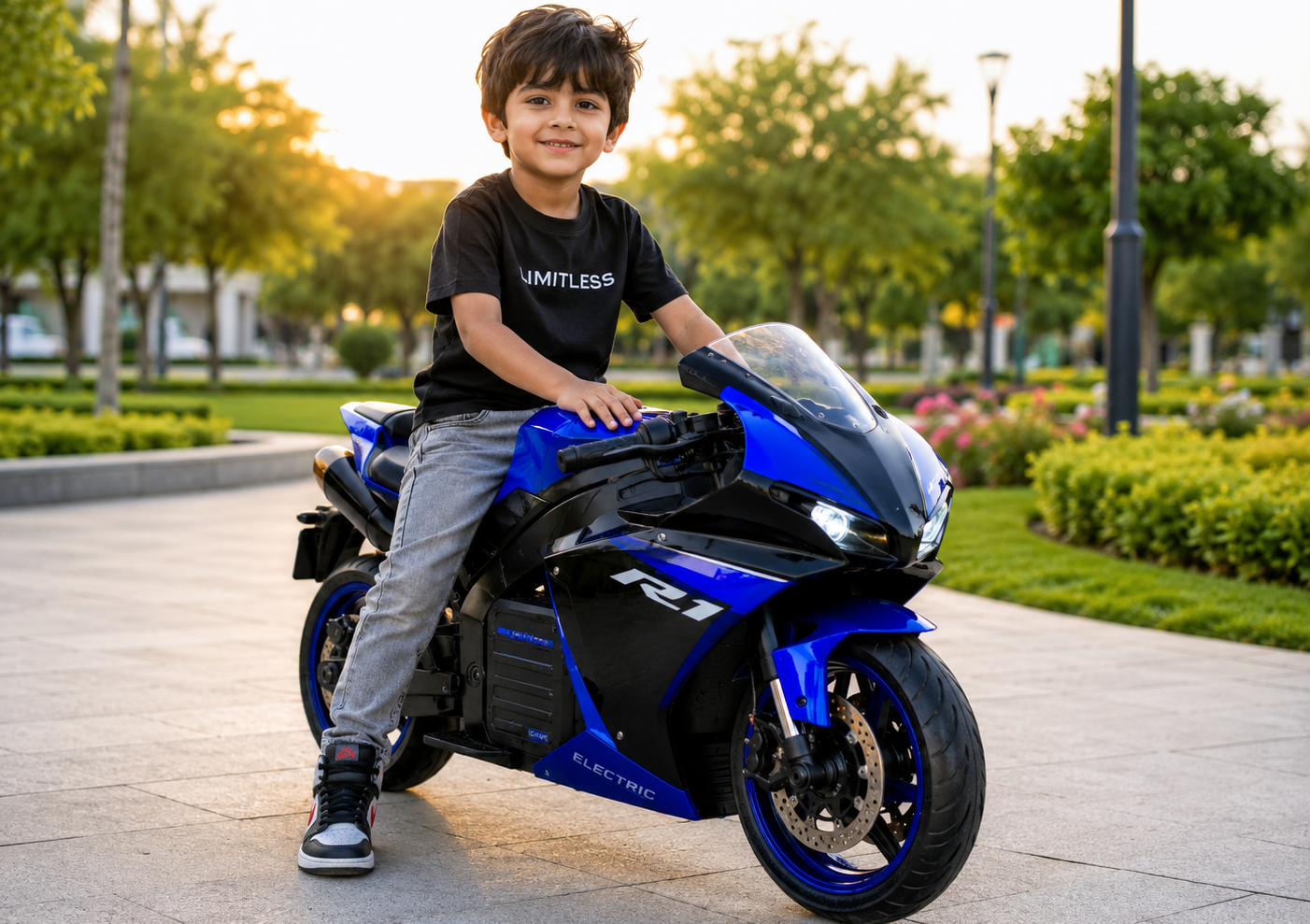
Riding a bicycle is one of the most important skills a child can learn. But when parents compare kids bikes with regular adult bicycles, they often notice a big difference in control, comfort, and ease of learning.
Children’s balance, strength, and coordination are still developing, so electric kids’ bikes, normal kids bikes, and training bicycles are designed differently from standard bikes. They focus on safety, stability, and easy control with lightweight frames and supportive features. These designs help children learn riding skills, build confidence, and improve coordination safely.
The main goal is not speed or long-distance riding. The goal is to make learning simple, safe, and confidence-building.
Understanding what makes Electric Bike for Kids easier to control helps parents choose better options and support safer riding experiences.
Why Control Matters So Much for Kids Bikes
Control is the most important factor when children start riding. Unlike adults, children react differently to movement, balance shifts, and steering pressure.
A regular bike is designed for stronger riders who already understand balance. A child, however, needs a bike that responds gently and predictably.
This is why kids’ bikes are built with simpler handling systems, lighter frames, and reduced height so children can easily manage movement without feeling overwhelmed.
Smaller Frame Size Improves Balance Control
One of the biggest reasons Bikes for Kids are easier to control is their smaller frame size.
A smaller frame means children can sit comfortably and place their feet on the ground when needed. This gives them confidence during early learning stages.
When children feel stable while sitting, they are less likely to panic or lose control during small balance shifts.
Why Frame Size Makes a Big Difference
A large bike forces children to stretch, lean, or struggle to reach pedals. This creates instability and reduces confidence.
In contrast, a properly sized kids bike allows natural posture and smoother control.
This is especially important for beginners using electric kids’ bikes, where both balance and motor control must work together.
Lightweight Design Helps Children React Faster
Another major difference between kids’ bikes and regular bikes is weight.
Kids bikes are much lighter, which makes them easier to move, turn, and stop.
Children do not have strong muscles like adults, so controlling a heavy bike becomes difficult and unsafe.
A lighter structure ensures that even small movements from the child are enough to steer or balance the bike properly.
How Weight Affects Riding Control
When a bike is heavy, children may struggle to correct balance quickly. This increases the chance of falling or losing direction.
With a lighter Electric Bike for Kids, small corrections are enough to keep the bike stable.
This improves confidence and reduces fear during early riding practice.
Lower Seat Height Improves Ground Confidence
Seat height is another key factor in control.
Kids bikes are designed with lower seating positions so children can easily touch the ground with their feet.
This creates a strong sense of safety, especially for beginners who are still learning balance.
Why Ground Contact Matters
When children can touch the ground, they feel more in control of stopping and stabilizing the bike.
This reduces fear and helps them practice riding more confidently without depending fully on balance.
Simplified Steering System Makes Learning Easier
Regular bikes often require sharper steering response, which is suitable for experienced riders.
However, kids’ bikes use smoother and more controlled steering systems that respond gently to movement.
This helps children avoid sudden turns that may cause imbalance.
How Steering Design Supports Control
A softer steering system ensures that even if a child moves the handlebar slightly too much, the bike does not turn too sharply.
This allows beginners to learn direction control step by step without feeling overwhelmed.
Comparison Table: Kids Bikes vs Regular Bikes
| Feature | Kids Bikes | Regular Bikes |
| Frame Size | Small and child-friendly | Large adult frame |
| Weight | Lightweight | Heavier build |
| Seat Height | Low for ground support | Higher position |
| Steering Response | Soft and controlled | Quick and sensitive |
| Balance Control | Easier for beginners | Requires experience |
| Learning Curve | Simple and safe | More advanced |
This comparison clearly shows why kids bikes are easier for children to handle compared to regular bicycles.
Electric Kids Bikes Add Controlled Assistance
Modern electric kids’ bikes add another layer of control by offering assisted movement.
Instead of relying only on pedaling strength, children can use motor support at controlled speeds.
This makes riding less tiring and more stable, especially for younger riders.
Why Electric Support Helps Beginners
Electric assistance reduces the effort needed to move forward.
This allows children to focus more on balance and steering instead of struggling with pedaling strength.
As a result, learning becomes smoother and more enjoyable.
Speed Limitation Improves Safety and Control
One major difference between kids’ bikes and regular bikes is speed limitation.
Kids bikes are designed to move at safe, controlled speeds. This gives children more time to react and adjust their movements.
Lower speed is not a limitation. It is a safety feature that improves control.
Why Slower Speed Helps Learning
When speed is low, children can:
- React more easily
- Correct balance faster
- Learn to turn safely
- Avoid sudden falls
This is especially important for Electric Bike for Kids, where motor power needs-controlled limits.
Better Grip and Tire Design for Stability
Tires also play an important role in control.
Kids bikes use wider or softer tires that provide better grip on different surfaces.
This reduces slipping and helps maintain balance during turns and stops.
Why Tire Design Matters
Good grip ensures that even beginner riders can ride on pavements or smooth outdoor areas safely.
Poor grips would make control difficult and increase the risk of falling.
Simple Controls Reduce Confusion
Kids bikes are designed with simple systems that avoid complexity.
There are fewer controls, fewer switches, and easier braking systems.
This simplicity helps children focus only on riding instead of managing multiple functions at once.
How Simplicity Improves Learning
When a bike is simple, children learn faster because they are not overwhelmed by too many instructions.
They can focus on balance, direction, and movement step by step.
Emotional Confidence Also Improves Control
Control is not only physical. It is also emotional.
When children feel safe, they ride better. Kids bikes are designed to reduce fear by offering stability and comfort.
This emotional confidence plays a major role in how quickly children learn riding skills.
Real-Life Learning Experience
Imagine a child riding a kid’s bike in a park. The bike is light, the seat is low, and the steering is smooth.
The child feels comfortable touching the ground when needed and slowly starts moving forward.
Because the bike is easy to handle, the child gains confidence quickly and begins enjoying the experience instead of feeling afraid.
Role of Parents in Improving Control
Parents also help improve control by guiding children during early practice.
Simple support like holding the bike initially, choosing safe areas, and encouraging practice sessions help children learn faster.
Over time, children become independent riders with better control skills.
Where Kids Bikes Show the Most Advantage
Kids bikes perform best in controlled environments such as parks, driveways, or smooth open spaces.
These environments match the design purpose of Bikes for Kids, which is safe learning and gradual skill building.
Conclusion
Kids bikes are easier to control compared to regular bikes because they are designed specifically for children’s physical and learning needs.
From lightweight frames and lower seat height to soft steering and speed control, every feature helps improve balance and confidence.
Modern electric kids’ bikes improve control by providing assisted movement and maintaining safe, manageable riding speeds for children.
Together, these features make learning simple, safe, and enjoyable for children, helping them develop riding skills with confidence over time.
Visit for news and updates at techntrip.com




Post Comment