What Is the NYT Spelling Bee Pangram Today? (Daily Answer)
Introduction
If you’ve been staring at those seven letters for ten minutes wondering what is the NYT Spelling Bee pangram today, you’re not alone — it’s the one word every player wants to crack first.
The pangram uses every single letter in the hive at least once, and finding it early tends to unlock the rest of the puzzle almost like a cheat code. Today’s answer, along with its meaning, is right here so you don’t have to dig through spoilers to get it.
Today’s Pangram Answer
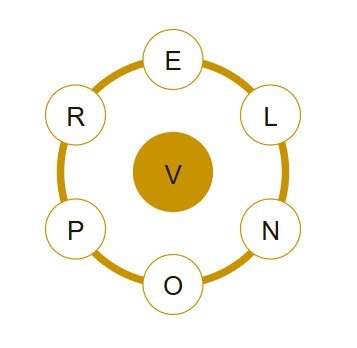
For Friday, September 4, 2026, the letters in play were A, E, L, N, Y, Z, D, and the pangram hiding in that mix is ANALYZED. It uses all seven required letters — A, N, A, L, Y, Z, E, D — which is what earns it the seven-point bonus on top of its normal score.
If you’ve been running the same letters through your head without luck, that’s usually a sign the word is longer or less obvious than expected, and this one fits that pattern well. It’s not a perfect pangram, since a couple of letters repeat, but it still counts as the single highest-value word in that day’s puzzle.
What Is a Spelling Bee Pangram, Exactly?
Before going further, it helps to know what actually makes a word a pangram in the first place. In the NYT Spelling Bee, a pangram is simply a word that touches every one of the seven letters offered that day, no matter how many times a letter shows up inside it. Repetition doesn’t disqualify it — only missing a letter does.
What makes it worth chasing isn’t just bragging rights. A pangram earns its normal point value based on length, plus a flat seven-point bonus stacked on top, which usually makes it the single biggest score of the day.
Most puzzles hide exactly one, though occasionally the grid contains two, and on rarer days, three. When a word manages to use each letter exactly once, with zero repeats, that’s called a perfect pangram, and solvers tend to treat finding one as a small victory in itself.
How Many Pangrams Does Today’s Puzzle Have?
This part changes daily, so it’s worth checking rather than assuming. Some days the Bee is generous and drops in two or even three pangrams, though a single pangram is by far the most common setup.
The puzzle summary also flags whether a perfect pangram is in play, since those tend to be the ones people miss for the longest stretch simply because the letter pattern looks unfamiliar. Knowing the count upfront changes how you approach the board — if there are two, spotting the first one doesn’t mean you’re done hunting.
For September 4, the puzzle held just the one: ANALYZED. No perfect pangram that day, since the A and N both repeat, but it was still the anchor word carrying the biggest chunk of points.
Stuck? Here’s a Way Through It
Getting blocked on a pangram is common, and there’s no shame in needing a nudge rather than the full answer. A lot of regular players like to see just the first couple of letters before committing to a full reveal, since that’s usually enough to jog the memory without ruining the challenge. Others prefer working the shorter words first and circling back once more letters feel familiar. Either way, patience beats guessing randomly, since pangrams are rarely the first word your brain lands on.
If you want that partial nudge instead of the full word, a spoiler-light hint approach works better than jumping straight to the answer. And if yesterday’s puzzle is still bugging you, checking a previous day’s pangram can confirm whether you actually had it right all along.
Where to Check the Full Word List
Once the pangram’s locked in, the rest of the puzzle usually falls into place faster. todayspellingbeeanswers.com keeps the complete word list sorted by length for days when you want to double-check your board or just see how close you got. It’s a handy way to confirm a tricky word without wading through comment sections or forums hunting for the same answer.
FAQs
Does the pangram change every day?
Yes. Since the New York Times rotates the seven letters daily, the pangram is different each time, and there’s no pattern to predict it in advance.
Can there be more than one pangram in a single puzzle?
It happens, though it’s less common than a single pangram. Two-pangram days show up occasionally, and three is rare enough to feel like a bonus round.
What’s the difference between a regular pangram and a perfect pangram?
A regular pangram just needs all seven letters present, repeats allowed. A perfect pangram uses each letter exactly once, no repeats, which makes it noticeably harder to spot.
Is the pangram always the longest word in the puzzle?
Usually, yes, though not always. Most pangrams run seven to twelve letters, but longer non-pangram words do occasionally show up in the same grid.
Chasing the pangram is really about rhythm more than luck. Once you get used to scanning for that one word that ties every letter together, the rest of the Spelling Bee board starts to feel a lot less intimidating — and a lot more like a puzzle you’re actually in control of.





Post Comment