What Builders Should Know Before Buying Structural Timber in Melbourne?
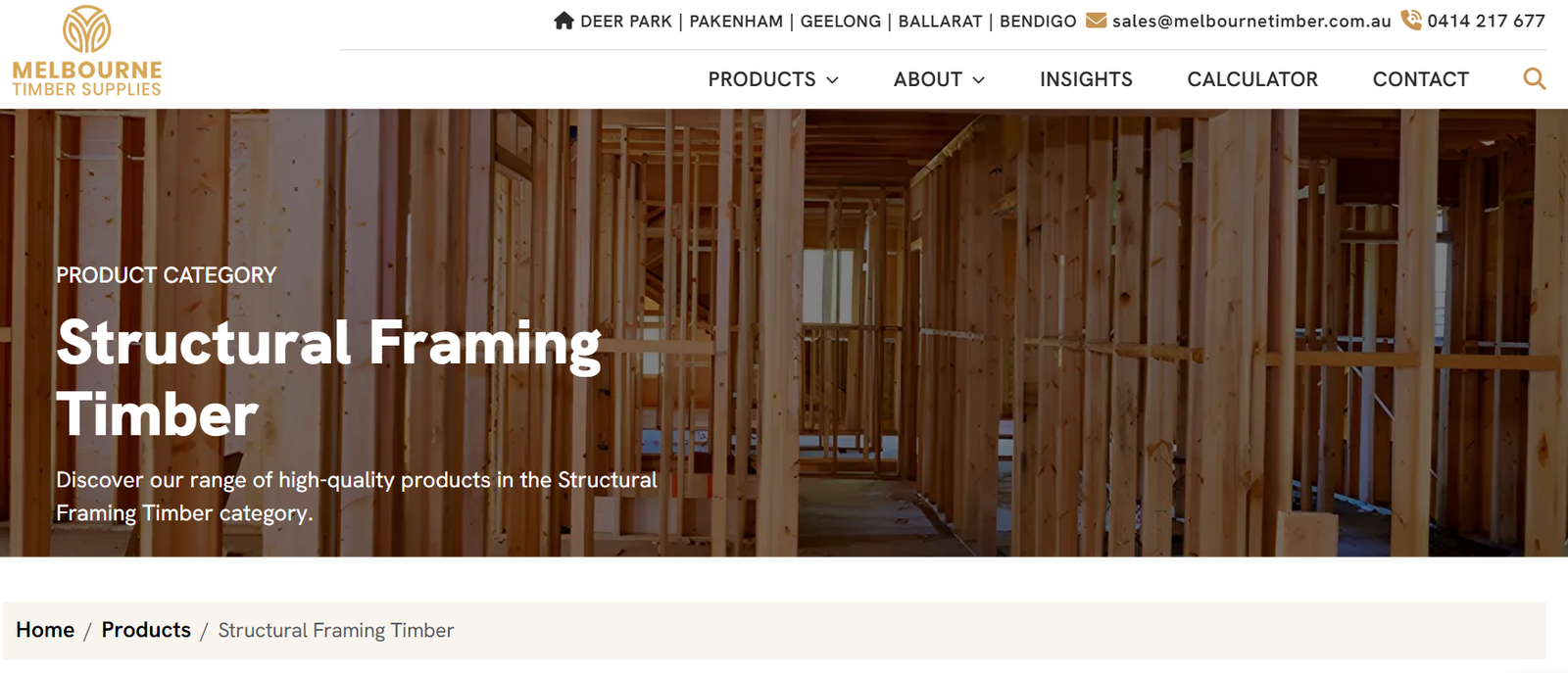
Structural timber plays a vital role in the strength, safety, and longevity of residential and commercial construction projects. Whether you’re building a new home, undertaking an extension, or managing a large-scale development, selecting the right structural timber is critical to achieving a durable and compliant outcome.
For builders in Melbourne, understanding timber grades, species, treatment options, and supplier reliability can make a significant difference in both project performance and efficiency. Making informed decisions early in the planning process can help prevent delays, reduce waste, and ensure that the finished structure meets Australian standards.
We’ll explore everything builders should know before purchasing structural timber in Melbourne and how working with a trusted supplier like Melbourne Timber Supplies can support successful project delivery.
What Is Structural Timber
Structural timber refers to timber products specifically manufactured and graded for load-bearing applications. Unlike decorative timber products, structural timber is designed to provide the strength and stability required in construction projects.
Common applications include:
- Wall framing
- Roof trusses
- Floor joists
- Beams and lintels
- Pergolas and outdoor structures
- Residential and commercial frameworks
Because structural timber directly impacts building integrity, choosing the correct products is essential.
Why Choosing the Right Structural Timber Matters
Using suitable structural timber contributes to:
Building Safety
Correctly graded timber helps ensure that structures can safely withstand expected loads and environmental conditions.
Regulatory Compliance
Australian building codes require structural timber to meet specific standards.
Long Term Durability
Quality timber products reduce the likelihood of structural issues developing over time.
Cost Efficiency
Selecting the right materials from the outset helps minimise costly repairs and replacements. Builders who prioritise quality structural timber often experience smoother project outcomes.
Understand Australian Timber Grading Systems
One of the most important considerations when purchasing structural timber is understanding grading classifications. Timber used for structural purposes is generally assigned strength ratings based on testing and assessment procedures.
Common grades include:
F Grade Timber
F grades indicate the structural strength of hardwood timbers.
Examples include:
- F17
- F27
Higher numbers generally represent greater load-bearing capacity.
Machine Graded Pine
Softwood products are often machine graded.
Common classifications include:
- MGP10
- MGP12
These products are widely used in residential framing applications.
Consulting with knowledgeable suppliers helps ensure appropriate grades are selected for each project.
Consider the Intended Application
Different projects require different structural solutions.
Before purchasing timber, consider:
Load Requirements
Will the timber support floors, roofs, or external structures?
Span Distances
Longer spans may require stronger products or engineered alternatives.
Environmental Exposure
Outdoor applications may require treated timber products.
Design Specifications
Architectural plans should always guide material selection.
Matching timber specifications to project demands is critical.
F17 Hardwood Remains a Popular Choice
F17 hardwood continues to be widely used throughout Melbourne’s construction industry.
Benefits include:
- Excellent strength characteristics
- Proven structural performance
- Suitability for demanding applications
- Availability in various sizes
Builders frequently choose F17 hardwood for projects requiring enhanced durability and reliability.
Engineered Timber Solutions
Modern construction increasingly incorporates engineered timber products.
These solutions may offer advantages such as:
- Consistent performance
- Reduced waste
- Longer spans
- Dimensional stability
Examples include laminated veneer lumber and other engineered structural products.
Understanding available options allows builders to make informed choices that align with project objectives.
Check Timber Moisture Content
Timber moisture levels influence performance during and after construction.
Excess moisture can contribute to:
- Shrinkage
- Movement
- Twisting
- Installation difficulties
Kiln-dried structural timber is often preferred because it provides improved dimensional stability.
Discussing moisture requirements with suppliers can help minimise future complications.
Ensure Compliance With Australian Standards
Structural timber should comply with relevant Australian standards and building regulations.
Using compliant products helps:
- Support certification processes
- Reduce project risk
- Improve confidence in structural integrity
Builders should always verify product specifications before purchase.
Reliable suppliers can provide guidance regarding compliance requirements.
Consider Availability and Supply Reliability
Material shortages and delivery delays can disrupt construction schedules.
When selecting a timber supplier, consider factors such as:
- Product availability
- Lead times
- Inventory levels
- Delivery capabilities
- Customer support responsiveness
Establishing relationships with dependable suppliers contributes to more efficient project management.
Sustainability Matters
Sustainability is becoming increasingly important within the building industry.
Responsibly sourced timber can contribute to environmentally conscious construction practices.
Potential benefits include:
- Renewable resource utilisation
- Carbon storage characteristics
- Reduced embodied energy compared with some alternative materials
Many builders actively seek suppliers committed to responsible sourcing practices.
Avoid Common Purchasing Mistakes
Several mistakes can negatively impact project outcomes.
Choosing Based Solely on Price
Lower-cost products may not deliver required performance standards.
Ignoring Engineering Specifications
Always follow approved structural documentation.
Overlooking Treatment Requirements
External applications often require treated products.
Failing to Plan Ahead
Ordering materials early can help prevent costly delays.
Careful planning reduces unnecessary risks.
Why Builders Choose Melbourne Timber Supplies
Melbourne Timber Supplies supports builders throughout Melbourne with quality timber solutions tailored to a wide range of construction requirements.
Customers benefit from:
- Extensive product selection
- Access to structural hardwood products
- Experienced industry knowledge
- Reliable customer service
- Assistance with product selection
Whether you’re constructing a new residence or managing a complex commercial project, working with experienced suppliers can simplify the procurement process.
Tips for Buying Structural Timber Successfully
To maximise project success:
- Review engineering documentation carefully.
- Confirm timber grades before ordering.
- Calculate quantities accurately.
- Consider future maintenance requirements.
- Partner with reputable suppliers.
These practical steps can improve efficiency while supporting strong construction outcomes.
Structural timber forms the backbone of countless building projects across Melbourne. Selecting suitable products involves more than simply choosing available stock it requires an understanding of timber grades, compliance requirements, environmental considerations, and project-specific demands.
Builders who invest time in sourcing quality structural timber position themselves for smoother construction processes, improved durability, and better overall results.
By partnering with trusted suppliers such as Melbourne Timber Supplies, construction professionals can access the expertise and product range necessary to meet the evolving needs of Melbourne’s building industry while delivering projects that stand the test of time.


Post Comment