Weight Loss Tablets Explained: How Weight Medics Personalizes Your Treatment Plan
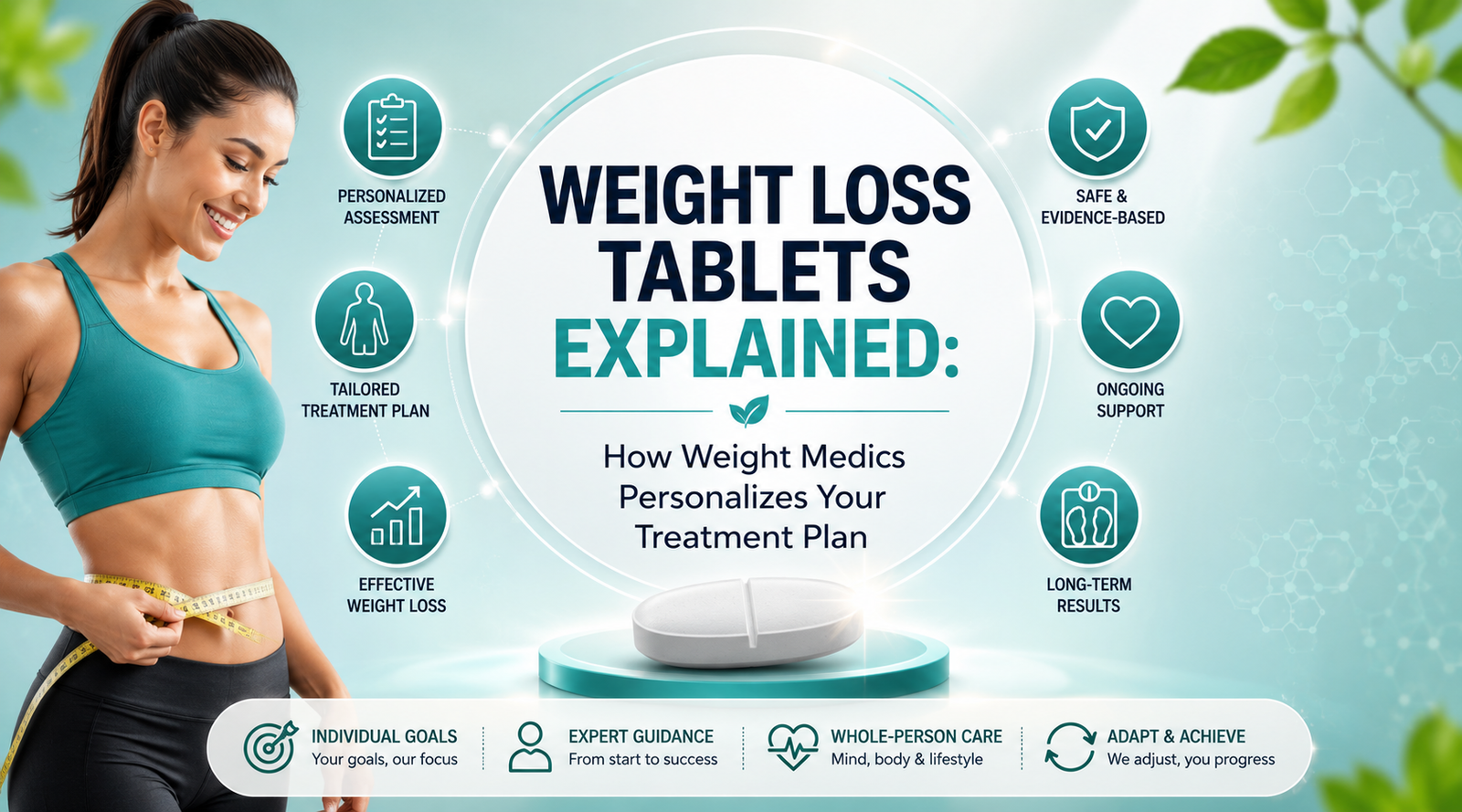
Losing weight is rarely as simple as eating less and moving more, and anyone who has tried and struggled knows this truth firsthand. For many people, Prescription weight loss tablets have become part of a broader conversation about sustainable, medically guided weight management rather than a quick fix sold on late night television. If you have ever wondered how these tablets actually work, whether they are right for your body, and how a clinic can tailor a plan around your specific needs, this guide walks through everything in plain language.
What Are Weight Loss Tablets and Why Are They So Popular
Weight loss tablets are medications designed to support fat reduction by influencing appetite, metabolism, or the way your body absorbs certain nutrients. They are not magic pills that melt fat away overnight. Instead, they work alongside diet, movement, sleep, and behavior change to create an environment where the body can shed excess weight more effectively. Over the past few years, interest in these treatments has grown dramatically as more people look for medically supervised options instead of unregulated supplements bought online with vague promises and little scientific backing.
Part of the appeal is that modern tablets are developed through clinical research and prescribed under professional supervision, which means dosing, monitoring, and adjustments happen with a trained eye watching for both progress and safety. This is very different from the diet pill fads of previous decades, many of which carried serious health risks and offered little real benefit once the marketing was stripped away.
Understanding How These Medications Work in the Body
To appreciate why personalization matters so much, it helps to understand what is actually happening inside the body when someone takes a weight management medication. Some tablets work by signaling to the brain that you are full sooner, reducing the urge to overeat. Others slow digestion so that you feel satisfied for longer after a meal. Certain formulations target hormones involved in blood sugar regulation and hunger cues, which can have a ripple effect on cravings and energy levels throughout the day.
Because everyone’s biology, hormone balance, activity level, and metabolic rate differ, the same tablet can produce very different results in two different people. This is precisely why a cookie cutter approach rarely delivers lasting success. A treatment that works beautifully for one person might barely register for another, not because the medication has failed, but because the underlying physiology calls for a different strategy altogether.
The Problem With One Size Fits All Weight Loss Plans
Anyone who has flipped through a magazine or scrolled social media has seen countless generic weight loss plans promising rapid results for everyone regardless of age, health history, or body composition. The reality is far more nuanced. A twenty five year old with a fast metabolism and no underlying conditions has completely different needs compared to someone in their fifties managing insulin resistance or thyroid irregularities.
Generic plans also tend to ignore lifestyle factors such as work schedule, stress levels, sleep quality, and emotional relationship with food, all of which play a measurable role in how the body responds to any medication or diet change. This is where a more thoughtful, individualized model becomes essential rather than optional.
Why Daily Consistency Matters More Than Intensity
When people begin a new regimen, there is often a temptation to chase dramatic short term results rather than steady, manageable progress. In truth, consistency tends to outperform intensity over the long run. Daily weight loss tablets are typically most effective when taken on a regular schedule that aligns with meals, sleep patterns, and daily routines, allowing the body to adjust gradually rather than experiencing sudden shocks to its system.
Consistency also makes it easier for a healthcare provider to track how the body is responding over time. Small adjustments in dosage or timing can make a significant difference, and this kind of fine tuning is only possible when there is a steady baseline to measure against. Skipping doses or using medication irregularly not only reduces effectiveness but can also make it harder to identify whether a plan actually needs to change.
The Role of Medical Supervision in Safe Weight Loss
Any conversation about weight loss tablets has to include a serious discussion of safety. These are medications, not casual supplements, and they interact with the body in ways that require oversight from a qualified healthcare professional. Blood pressure, heart rate, existing medications, allergies, and pre existing conditions all need to be reviewed before starting any treatment.
Ongoing check ins allow a provider to catch side effects early, adjust dosages if something is not working as intended, and confirm that weight loss is happening in a healthy, sustainable manner rather than through methods that could harm long term health. This is also why self prescribing or purchasing tablets from unverified sources online carries real risk. Without proper screening, people can unknowingly take medications that interact poorly with something else they are already on, or that are simply wrong for their particular health profile.
What Makes a Personalized Treatment Plan Different
A personalized plan starts with a genuine conversation rather than a form filled out in thirty seconds. It typically begins with a detailed health history, current medications, lifestyle habits, and specific goals. From there, bloodwork or other diagnostic tools might be used to understand hormone levels, metabolic markers, or nutritional deficiencies that could be influencing weight.
From this information, a tailored plan is built that might combine a specific tablet formulation with nutritional guidance, movement recommendations suited to the person’s current fitness level, and behavioral strategies to address emotional eating or stress related habits. The plan is not static either. As the body responds and circumstances change, the approach shifts accordingly, whether that means adjusting dosage, introducing new lifestyle elements, or addressing plateaus that naturally occur during any weight loss journey.
How Weight Medics Approaches Individualized Care
Weight Medics has built its approach around the idea that no two bodies respond the same way to any single solution, which is why the process starts with listening rather than prescribing. Instead of handing every patient the same tablet at the same dose, the team evaluates medical history, current health status, and personal goals before recommending a path forward. This allows treatment to be adjusted in real time based on how a person’s body actually responds, rather than following a rigid template that ignores individual differences.
What sets this kind of model apart is the ongoing relationship between patient and provider. Regular follow ups mean that if progress stalls or side effects appear, changes can be made quickly instead of waiting months to notice something is not working. The goal is not simply to see a number drop on the scale but to support a person’s overall health, energy levels, and confidence throughout the entire process.
Book your consultation now and discover a plan built for you→
Combining Medication With Lifestyle Changes for Lasting Results
Even the most effective tablet cannot do all the work alone. Sustainable weight loss almost always involves a combination of factors working together, including nutrition, physical activity, sleep quality, and stress management. Medication can make these changes easier to sustain by reducing cravings or increasing satiety, but the daily choices a person makes still play a central role in long term success.
This is why personalized plans often include guidance on meal timing, protein intake, hydration, and gentle movement routines that fit realistically into someone’s life rather than an unrealistic gym schedule that gets abandoned within weeks. Small, sustainable habits layered on top of the right medication tend to produce results that last well beyond the treatment period itself.
Addressing Common Concerns and Misconceptions
Many people hesitate to explore medical weight loss options because of misinformation circulating online. Some worry that tablets are simply an easy way out that avoids real effort, while others fear serious side effects based on outdated or exaggerated stories. In reality, modern weight management medications, when prescribed and monitored properly, are held to rigorous safety standards, and side effects are typically mild and manageable with proper guidance.
It is also worth noting that needing medical support for weight loss is not a sign of failure or lack of willpower. Biology plays a far larger role in weight regulation than most people realize, and factors like hormone imbalances, genetics, and metabolic rate can make weight loss significantly harder for some individuals compared to others. Seeking professional support is simply a practical, evidence based way to address a genuinely complex health challenge.
Setting Realistic Expectations Along the Way
Successful weight loss rarely follows a straight line. There will be weeks where progress feels slow, plateaus that require patience, and adjustments that take time to show results. Understanding this from the outset helps people stay motivated rather than becoming discouraged after a single difficult week.
A good provider will set realistic timelines based on individual circumstances rather than promising rapid, dramatic transformations that are unlikely to be safe or sustainable. Gradual, steady progress tends to be far more durable than rapid loss that often reverses once a person stops any given treatment. This is part of why ongoing communication with a healthcare provider matters so much throughout the entire journey.
The Importance of Mental and Emotional Support
Weight loss is not only a physical process but an emotional one as well. Many people carry years of frustration, self criticism, or complicated relationships with food that influence how they approach any new plan. A truly personalized program acknowledges this reality rather than focusing solely on numbers and dosages.
Support in this area might look like open conversations about stress eating, encouragement during difficult weeks, or simply having a provider who treats a patient as a whole person rather than a set of symptoms to manage. This kind of holistic care often makes the difference between a plan that is abandoned after a few months and one that leads to lasting change.
Final Thoughts on Choosing the Right Path Forward
Choosing to explore medically supervised weight loss tablets is a significant decision, and it deserves careful thought rather than an impulsive choice based on advertising alone. The most successful outcomes tend to come from working with knowledgeable providers who take the time to understand your unique health picture, adjust treatment as your body responds, and support you through the inevitable ups and downs of the process.
Weight loss is deeply personal, shaped by genetics, lifestyle, mental health, and countless other factors unique to each individual. A thoughtful, individualized approach respects that complexity instead of pretending a single tablet or plan works identically for everyone. If you are considering this path, speaking with a qualified healthcare provider is the best first step toward understanding whether these treatments are appropriate for your specific situation and how a personalized plan could support your long term health and wellbeing.





Post Comment