Understanding BPC-157: Research Applications, Purity, and Where to Buy
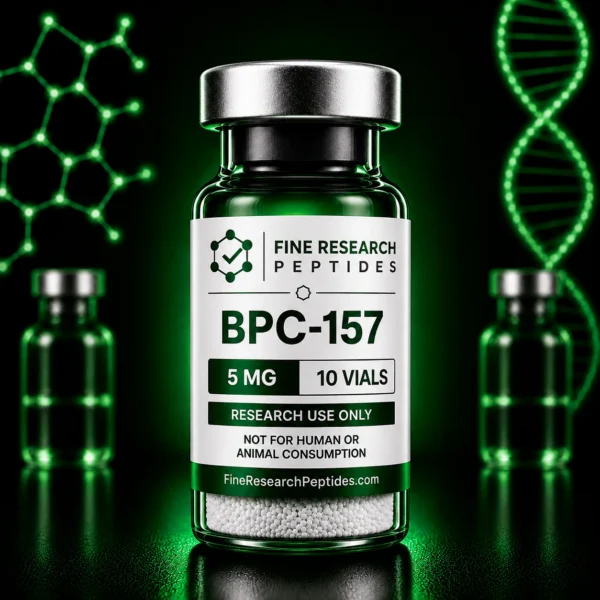
BPC-157 is a synthetic peptide consisting of 15 amino acids that has attracted scientific interest because of its potential biological effects. Researchers have investigated it primarily in preclinical studies examining tissue repair, gastrointestinal processes, inflammation, and other biological mechanisms. Much of the published research involves laboratory experiments and animal models rather than well-controlled human clinical trials. These early findings have generated questions worth investigating, but they do not establish that BPC-157 is an effective treatment for injuries or medical conditions. Understanding the difference between experimental observations and proven clinical benefits is essential when evaluating this compound.
Interest in a bpc 157 peptide for sale has increased as online discussions about experimental peptides have become more widespread. Commercial descriptions sometimes associate the compound with recovery, joint support, digestive health, and tissue healing. However, such claims should be evaluated against the available scientific evidence rather than accepted at face value. Animal studies can help researchers investigate possible mechanisms, but results in animals do not necessarily predict outcomes in humans. A responsible assessment considers the quality of the research, the limitations of the evidence, and the regulatory status of the specific product being offered.
BPC-157 should also be distinguished from approved pharmaceutical medicines. In the United States, it is not an FDA-approved drug for human treatment, and important questions remain about its safety and effectiveness. The FDA has identified concerns involving potential immunogenicity, peptide-related impurities, and difficulties characterizing the active ingredient in compounded products. These concerns reinforce the need for careful scientific evaluation and appropriate regulatory oversight. Researchers should avoid interpreting commercial availability as evidence that a substance has been adequately tested or approved for medical use.
Research Applications and the Current Scientific Evidence
Preclinical research has examined BPC-157 in several areas, including models involving tendons, muscles, gastrointestinal tissues, and wound healing. Some animal studies have reported changes in biological processes associated with tissue repair and inflammation. These observations may help researchers formulate hypotheses about how the compound interacts with particular biological systems. Nevertheless, findings from experimental models must be interpreted cautiously, especially when studies differ in design, methodology, or outcome measurements. Further rigorous research is needed before meaningful conclusions can be drawn about potential clinical applications in humans.
Another area of scientific interest involves the mechanisms that might explain the effects observed in experimental models. Researchers have investigated possible interactions with cellular signaling pathways and processes involved in vascular function and tissue responses. These proposed mechanisms remain subjects of scientific investigation rather than established explanations for clinical benefit. The existence of a plausible biological mechanism does not prove that a compound will produce a useful or safe outcome in people. Well-designed clinical studies are necessary to establish whether experimental findings translate into measurable benefits and acceptable risks.
The limited human evidence is a significant consideration when assessing BPC-157. Available research does not provide the level of high-quality clinical evidence normally required to establish the safety and effectiveness of an approved treatment. Long-term effects, potential interactions, appropriate medical indications, and risks associated with different formulations remain insufficiently characterized. Consequently, BPC-157 should not be presented as a proven alternative to established medical care. Researchers and readers should treat strong claims about healing or recovery with caution until reliable evidence supports them.
How to Evaluate BPC-157 Purity and Product Documentation
Purity is an important consideration when assessing any research peptide, but a single percentage cannot establish overall product quality. High-performance liquid chromatography, commonly called HPLC, can separate components in a sample and help characterize its chromatographic profile. Mass spectrometry can provide complementary information about molecular mass and help assess whether the observed material is consistent with the expected compound. These analytical methods serve different purposes, and their findings should be interpreted together when appropriate. Researchers should understand what was tested and whether the available evidence is sufficient for the intended investigation.
A Certificate of Analysis, or COA, may provide useful information about a peptide’s reported identity, purity, and batch characteristics. Researchers should check whether the document identifies the specific product and batch being evaluated, describes the analytical methods used, and provides interpretable results. A certificate that cannot be connected to the actual material offers limited assurance about a particular sample. It is also important to recognize that a purity report does not automatically establish sterility, acceptable endotoxin levels, stability, or suitability for human administration. Each quality characteristic requires appropriate evidence.
Supplier transparency is another part of a sound evaluation process. Researchers should look for clear product specifications, identifiable batch information, consistent documentation, and a reliable way to address technical questions. Independent analytical testing may provide additional assurance when the research requirements justify it, although its value depends on the methods selected and the characteristics assessed. Product labels and marketing statements should never replace appropriate verification. When important quality information cannot be established, the material may not be suitable for a study that depends on reliable identification and reproducibility.
Where to Buy BPC-157: Responsible Supplier Evaluation
People searching for a bpc 157 peptide for sale may encounter online vendors offering products labeled for laboratory research. However, an online listing does not establish that a product is authentic, adequately characterized, legally available for a particular use, or suitable for human administration. Researchers should distinguish research chemicals from approved pharmaceutical products and evaluate each according to the applicable standards. Purchasing decisions should follow relevant institutional procedures and local regulations. The safest approach is to prioritize verifiable documentation and scientific requirements instead of relying on promotional claims or popularity.
Before considering a supplier, researchers should establish their laboratory’s specifications and determine what evidence is necessary to meet them. Relevant considerations may include the compound’s identity, analytical documentation, batch traceability, packaging, storage information, and the supplier’s quality-control practices. Researchers should also review how the material will be handled and whether additional verification is required. No supplier can establish product quality through website design or testimonials alone. A consistent evaluation process makes purchasing decisions easier to document and defend.
It is equally important not to confuse a research-use label with regulatory approval. Products sold for laboratory research may not have undergone the manufacturing controls, clinical evaluation, and oversight required for approved medicines. A seller’s assurance that a product is high purity does not establish its safety or effectiveness in people. BPC-157 should not be used as a substitute for evidence-based medical treatment, and individuals with health concerns should consult qualified healthcare professionals. Responsible procurement means recognizing the limits of the available evidence as well as the limitations of the product documentation.
Exploring GHK-Cu and the Best Place to Buy GHK-Cu Peptide
GHK-Cu is a copper-binding peptide that has been studied in connection with skin biology, wound-related processes, and cellular responses. It is different from BPC-157 in its chemical characteristics and research context, so the evidence associated with one compound should not be applied to the other. Interest in the best place to buy ghk cu peptide may lead researchers to products intended for different purposes, including topical formulations and materials marketed for laboratory investigation. These products are not necessarily interchangeable. The intended application, formulation, quality requirements, and relevant regulatory considerations must be evaluated separately.
When assessing GHK-Cu products, researchers should determine whether the documented composition matches the intended application. Copper content, peptide identity, purity, formulation, and potential impurities may all be relevant depending on the study. The US FDA has identified safety concerns involving compounded injectable GHK-Cu products, including limited human safety information and potential immunogenicity associated with aggregation and peptide-related impurities. Those concerns should not be confused with a blanket conclusion about every formulation, but they demonstrate why route of administration and product characteristics matter. Claims about cosmetic or therapeutic benefits should also be assessed according to the available evidence.
The same principles apply when comparing suppliers of GHK-Cu or BPC-157. Researchers should seek appropriate product documentation, consider the limitations of analytical testing, and verify that the material is suitable for the intended research purpose. A supplier’s claims about purity or biological performance should not be treated as proof of clinical effectiveness. Laboratories should also maintain separate records for different compounds and formulations to prevent identification errors. Careful documentation and evidence-based evaluation support more reliable research decisions across peptide-related studies.
Safe Handling, Storage, and Research Responsibilities
Proper handling is an essential part of maintaining the quality of laboratory materials. Researchers should follow product-specific storage instructions, inspect packaging when materials arrive, and document the relevant batch identifiers and receipt dates. Storage requirements should not be inferred from another peptide’s characteristics because stability can vary by compound, formulation, and environmental conditions. Any discrepancies in labeling or documentation should be investigated before the material is accepted for use. These procedures help laboratories maintain traceability and reduce avoidable mistakes.
Researchers should also understand that a dry peptide’s storage recommendations do not automatically establish how a prepared solution will behave. Moisture, temperature, light exposure, formulation conditions, and handling may affect stability in different ways. A supplier’s general statement may not provide sufficient evidence for a particular experimental application. Laboratories should use validated, product-specific information and qualified technical guidance where necessary. They should avoid assuming that a material remains suitable merely because it looks unchanged after storage.
Finally, responsible research requires accurate reporting and compliance with appropriate safety and regulatory requirements. Experimental findings should be described according to the strength of the evidence, with limitations clearly acknowledged. Researchers should not present preliminary animal findings as proven human benefits or suggest that an unapproved peptide is an established treatment. Institutional oversight, sound documentation, and appropriate laboratory procedures are essential components of credible scientific work. These practices protect research integrity while helping ensure that decisions are based on evidence rather than speculation.
Conclusion
Understanding BPC-157 requires a balanced view of its research potential, analytical quality, and significant evidence limitations. Although preclinical studies have investigated several biological processes, the available evidence does not establish the compound as a safe and effective human treatment. Anyone evaluating a bpc 157 peptide for sale should prioritize product identity, meaningful analytical documentation, batch traceability, and responsible research practices. Commercial availability and advertised purity are not substitutes for clinical evidence or regulatory approval.
The same careful approach applies to searches for the best place to buy ghk cu peptide. GHK-Cu and BPC-157 have different characteristics and must be evaluated independently according to their intended applications and relevant safety considerations. Researchers can make more informed decisions by assessing documentation, recognizing the limitations of available testing, and following appropriate institutional procedures. Ultimately, scientific credibility depends on transparent evidence, careful interpretation, and a clear distinction between promising research questions and established medical conclusions.





Post Comment