The Ultimate Checklist for Buying Vintage Home Decor Online (Without Getting Scammed)
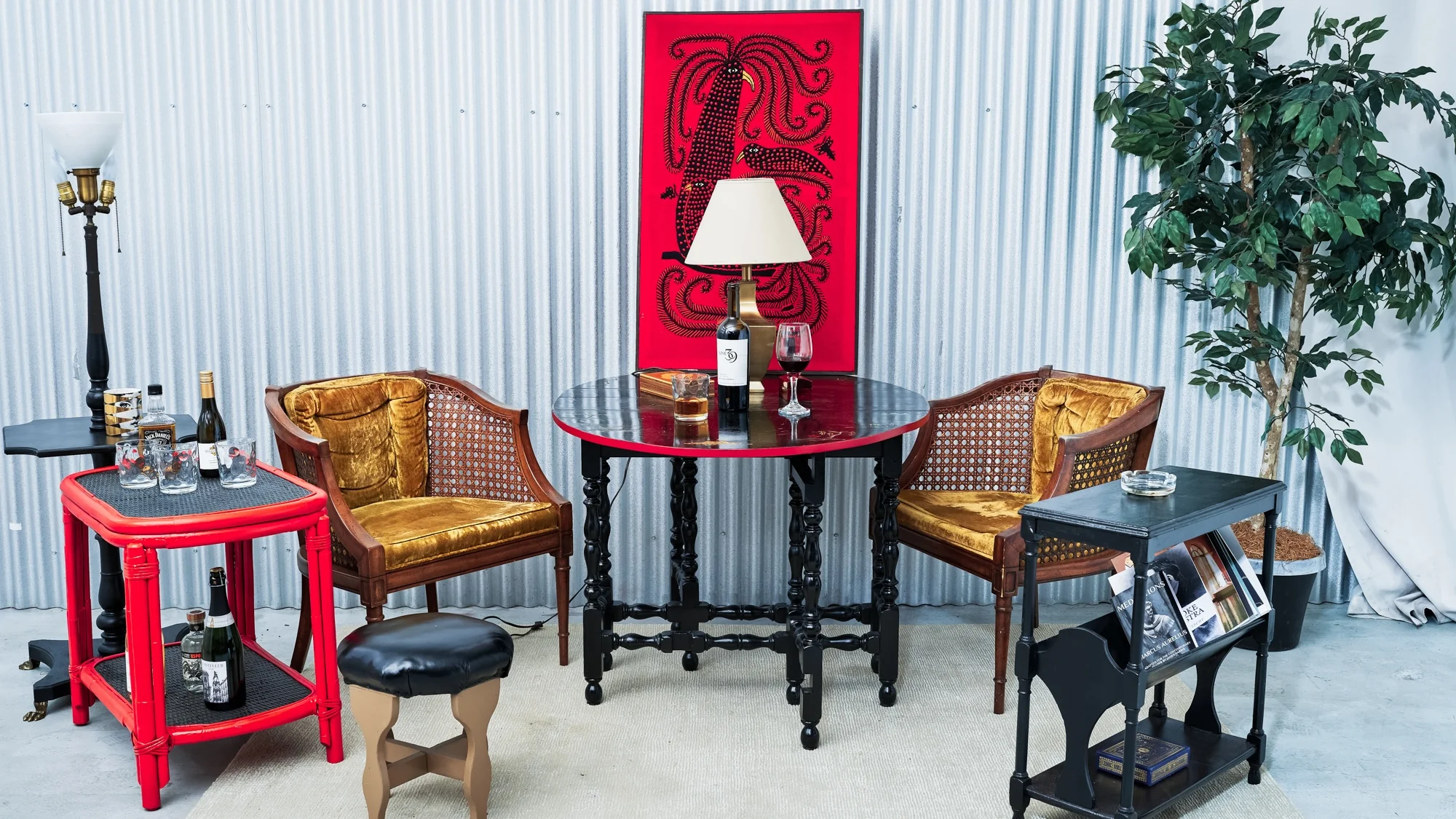
The online marketplace has completely changed how people shop for unique items for their homes. Instead of spending weekends visiting antique stores, flea markets, and estate sales, homeowners can now browse thousands of listings from across the country in just a few minutes. This convenience has made vintage home decor more accessible than ever before, allowing buyers to discover rare pieces that may never appear in local stores. From classic wall art and lighting fixtures to restored furniture and decorative accents, online platforms offer endless opportunities for creating a distinctive living space.
While online shopping offers convenience, it also introduces risks that many buyers underestimate. Unlike traditional shopping, customers cannot physically inspect items before making a purchase. They must rely on photographs, descriptions, and seller claims to determine quality and authenticity. Unfortunately, dishonest sellers understand this limitation and sometimes use misleading information to attract buyers. As demand for older furnishings and collectibles grows, scams and deceptive listings have become more common across online marketplaces.
Many shoppers discover too late that an item was not accurately described. Some receive products with hidden damage, while others realize that what appeared to be an antique was actually a recently manufactured reproduction. These experiences can be expensive and frustrating, especially when return policies are unclear. Without a proper buying strategy, even experienced shoppers can make costly mistakes that diminish the excitement of finding special pieces for their homes.
Fortunately, there are proven ways to protect yourself while shopping online. By following a detailed evaluation process and understanding common warning signs, buyers can significantly reduce risk. This guide provides a practical checklist designed to help homeowners make informed decisions, avoid scams, and purchase authentic items with confidence. Whether you are buying furniture, artwork, or designer desk accessories, these strategies can help you shop smarter and safer.
Understanding Why Online Vintage Shopping Can Be Risky
The popularity of online marketplaces has created tremendous opportunities for collectors and homeowners. However, it has also created an environment where misinformation can spread easily. Sellers may unintentionally provide incomplete descriptions, while others deliberately exaggerate an item’s age, rarity, or condition. Since buyers cannot inspect products firsthand, they often depend heavily on seller honesty and transparency.
According to the Federal Trade Commission, online shopping fraud remains one of the most frequently reported consumer complaints in the United States. Consumers lose millions of dollars annually due to deceptive sales practices, counterfeit products, and payment scams. Although many transactions are completed successfully, these statistics highlight the importance of conducting careful research before purchasing from unfamiliar sources.
I have personally spoken with homeowners who purchased what they believed were authentic vintage home decor only to discover significant undisclosed damage after delivery. In many cases, the warning signs were visible in the listing but overlooked because the buyer became excited about the opportunity. Understanding the risks associated with online shopping is the first step toward making safer purchasing decisions.
Research the Seller Before You Buy Anything
One of the most important steps in online purchasing is evaluating the seller. A trustworthy seller often provides detailed information, responds promptly to questions, and maintains a strong reputation among previous customers. Before considering any product, spend time reviewing seller ratings, customer feedback, and transaction history. This information can reveal valuable insights about reliability and professionalism.
Pay close attention to reviews discussing shipping accuracy, communication quality, and product condition. Consistent positive feedback generally indicates a seller who values customer satisfaction. On the other hand, repeated complaints regarding misleading descriptions or poor communication should be considered warning signs. Even a desirable item may not be worth the risk if the seller has a questionable history.
Many established American businesses specializing in antiques and collectibles have built strong reputations through transparency and customer service. These companies understand that trust plays a major role in long-term success. Choosing reputable sellers greatly improves the chances of receiving exactly what was advertised and reduces the likelihood of encountering avoidable problems.
Analyze Every Listing Like an Investigator
Photographs often reveal more information than written descriptions. Experienced buyers carefully examine every image before making a purchasing decision. High-quality listings typically include multiple angles, close-up details, and images that clearly show both strengths and imperfections. Sellers who openly display flaws often demonstrate greater transparency and credibility.
When reviewing photographs, pay attention to signs of repairs, scratches, discoloration, missing components, and uneven wear. Authentic aging usually appears consistent throughout an item, while artificial distressing may look exaggerated or unnatural. Zooming in on photos can help identify details that might otherwise go unnoticed. This extra effort can prevent expensive surprises later.
The same approach applies when evaluating designer desk accessoriesl. Small decorative objects can sometimes be difficult to authenticate from photographs alone, making image quality especially important. If photographs seem limited or unclear, request additional images before proceeding. Reliable sellers are generally willing to provide more information when asked.
Learn How to Spot Red Flags in Product Descriptions
Product descriptions should provide comprehensive information about an item’s condition, dimensions, materials, and history. Honest sellers understand that buyers need accurate details before committing to a purchase. Listings that contain vague language or lack important information deserve additional scrutiny.
Be cautious when descriptions use broad terms such as “excellent condition” without explaining what that means. Every older item experiences some degree of wear, and trustworthy sellers usually disclose imperfections clearly. Missing information regarding repairs, restoration work, or structural issues should prompt follow-up questions before payment is submitted.
One useful strategy is comparing multiple listings for similar products. Doing so helps establish realistic expectations regarding pricing, condition, and presentation. Sellers who provide significantly less information than competitors may not be offering the transparency necessary for a confident purchase.
Verify Measurements, Materials, and Authenticity
Many online shoppers focus primarily on appearance and overlook practical details such as dimensions and materials. This mistake can lead to disappointment when an item arrives and fails to fit the intended space. Always review measurements carefully and compare them against available room dimensions before purchasing.
Material verification is equally important. Certain wood types, construction methods, and manufacturing techniques can provide clues regarding authenticity and age. Understanding these characteristics helps buyers distinguish between original items and modern reproductions. Researching common features associated with specific design periods can strengthen purchasing confidence.
Some collectors maintain detailed records of manufacturer markings and production labels. These references can help verify authenticity when evaluating furniture, artwork, or decorative pieces. Taking time to investigate these details may prevent costly mistakes and ensure greater satisfaction with the final purchase.
Understand Pricing and Avoid Deals That Look Suspicious
Everyone enjoys finding a bargain, but unusually low prices often deserve careful investigation. Scammers frequently attract attention by listing products significantly below market value. Buyers may become excited by the apparent savings and overlook warning signs that would otherwise raise concerns.
Researching comparable sales provides a useful benchmark for determining reasonable pricing. Many online marketplaces allow users to review completed transactions, offering insight into current market values. If a listing appears dramatically cheaper than similar products, ask questions and request additional documentation before moving forward.
This principle applies to everything from furniture to designer desk accessories. Rare and highly sought-after pieces generally maintain relatively consistent market values. Extreme price differences should encourage buyers to slow down, investigate thoroughly, and avoid making impulsive decisions based solely on perceived savings.
Protect Yourself During Payment and Shipping
Even when a seller appears trustworthy, payment security remains essential. Buyers should use payment methods that offer fraud protection and dispute resolution services. Avoid direct wire transfers or payment requests that bypass established marketplace protections. Secure payment systems provide an additional layer of security if problems arise.
Shipping arrangements deserve equal attention. Request tracking information, insurance details, and packaging specifications before finalizing the transaction. Large or fragile items require careful handling, and professional sellers generally have established shipping procedures designed to minimize risk during transit.
A notable example comes from several U.S.-based vintage retailers that provide detailed shipment documentation, including photographs taken before packaging. This practice protects both buyers and sellers by documenting product condition prior to shipment. Transparency throughout the delivery process helps reduce misunderstandings and build trust.
Conclusion
Purchasing unique items online can be an exciting and rewarding experience when approached carefully. The growing popularity of vintage home decor has created unprecedented access to beautiful pieces from across the country, but it has also increased the importance of conducting thorough research. Understanding seller credibility, evaluating listings carefully, and recognizing common warning signs can help buyers avoid many of the most common scams.
The risks associated with online shopping become much easier to manage when buyers follow a structured evaluation process. Verifying authenticity, reviewing photographs, researching prices, and using secure payment methods all contribute to safer transactions. Whether purchasing furniture, artwork, or designer desk accessories, informed decisions often lead to better outcomes and greater long-term satisfaction.
As demand for vintage home decor continues to grow, shoppers who prioritize research and patience will place themselves in the best position for success. By following this checklist and maintaining a cautious mindset, homeowners can confidently navigate online marketplaces, avoid costly mistakes, and discover meaningful pieces that enhance their living spaces for years to come.





Post Comment