The ROI of Commercial Landscape Architect Teams
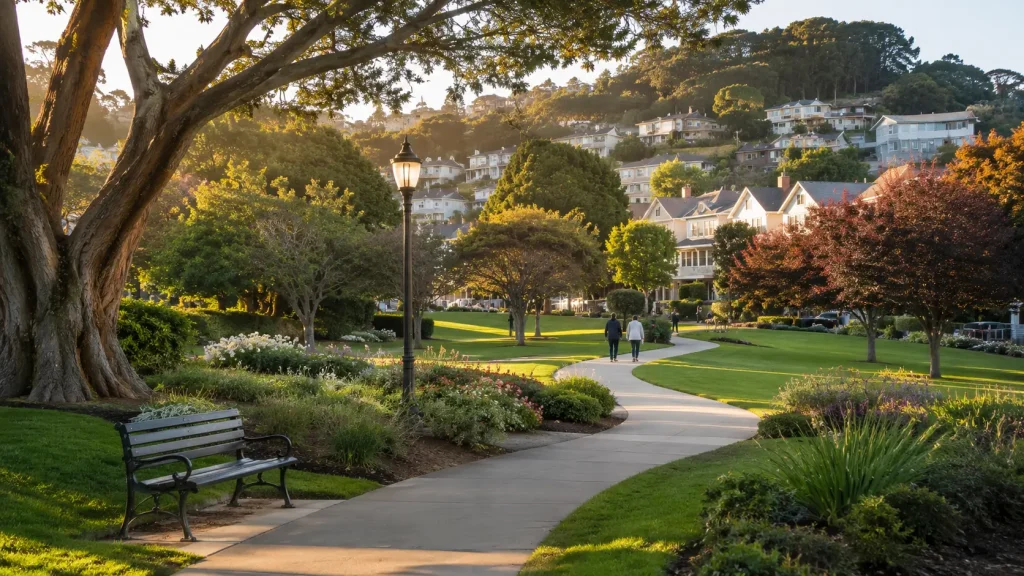
In the modern corporate and civic real estate sectors, the physical layout surrounding a commercial property is no longer viewed merely as a secondary boundary or a simple line item for basic maintenance. Forward-thinking developers, corporate executives, and asset managers recognize that the exterior envelope of a building serves as its primary physical handshake with the public. Before a customer, high-value client, tenant, or future employee ever experiences the interior architectural finishes of an office park, retail destination, or multi-family complex, they have already formed a definitive perception of the corporate brand based on its external grounds. Transforming these critical boundary lines from uninspired concrete buffers into highly vibrant, welcoming, and productive environments requires a strategic approach rooted in master-planned civil design. To maximize both corporate prestige and financial performance, institutional property owners rely on the specialized expertise of a certified commercial landscape architect team.
Collaborating with specialized external design teams allows developers to move far beyond basic property maintenance and instead focus on long-term structural value creation. By treating your property’s exterior acreage as a core financial and cultural asset, you can establish an open-air public space that actively drives corporate profitability, minimizes structural liability, and accelerates long-term property appreciation.
The Financial Metrics of Public Space Transformation
Every capital allocation within a commercial enterprise must ultimately justify itself through measurable economic metrics, asset appreciation, or risk mitigation. Investing in high-end external master planning is a highly sophisticated financial strategy that directly delivers an exceptional return on investment (ROI). In the competitive commercial leasing and retail real estate marketplaces, properties that feature masterfully integrated public spaces command significantly higher premium lease rates and enjoy drastically reduced vacancy cycles compared to institutional properties that feature standard poured concrete and uninspired turf.
Partnering with a professional commercial landscape architect ensures that your exterior square footage actively works to generate revenue for your property. For retail centers, lifestyle destinations, and mixed-use developments, a masterfully hardscaped and beautifully shaded public courtyard directly translates to increased consumer dwell time. When visitors are greeted by comfortable masonry seating, tranquil water elements, and beautiful native trees, they naturally linger on the property longer, directly multiplying the transactional revenue generated by on-site retail and dining tenants. For luxury multi-family developments and corporate office complexes, these premium outdoor amenities function as a primary tenant recruitment and retention tool, positioning the property as a premier, high-status address that stands out in the regional marketplace.
Mitigating Risk Through Advanced Site Engineering and Water Management
Beyond generating immediate commercial revenue, high-end landscape architecture addresses the deep structural, legal, and environmental challenges inherent to massive commercial developments. Commercial properties feature expansive building footprints, heavy vehicle parking areas, and vast expanses of non-porous surfaces, all of which completely disrupt natural ground water absorption. Managing stormwater runoff is a major engineering hurdle that, if left unaddressed, can result in severe soil erosion, foundation compromises, localized flooding, and catastrophic compliance fines from regional environmental protection agencies.
An experienced commercial landscape architect handles these hidden infrastructural challenges by embedding advanced civil engineering and water management solutions directly into the aesthetic design. Rather than relying on ugly, space-wasting chain-link detention basins that detract from property values, master designers construct beautiful, functional bioretention cells, winding rock swales, and lush rain gardens that naturally capture, filter, and channel stormwater back into the ground. Furthermore, professionals specialize in maximizing public safety and ensuring absolute regional compliance with accessibility legislation. By engineering wide, unobstructed pedestrian corridors utilizing slip-resistant architectural interlocking pavers, heavy-duty retaining walls, and strategic low-voltage LED safety illumination, these teams protect property owners from premium liability claims and costly slip-and-fall incidents.
Boosting Corporate Productivity and Workplace Wellness
The modern global workplace has fundamentally evolved, and top-tier professionals are no longer willing to spend their entire working day confined to traditional interior office cubicles. In the race to recruit and retain premier corporate talent, leading enterprises are utilizing their corporate campus grounds as an active health and productivity asset. Integrating natural elements, sunlight, and open-air workspaces into the daily professional routine has been structurally proven to lower employee stress levels, reduce corporate absenteeism, and dramatically boost workplace cognitive performance and creative collaboration.
When a corporation partners with a dedicated commercial landscape architect, the corporate grounds are methodically zoned into high-performance outdoor rooms designed to support modern working styles. Designers build expansive open-air corporate courtyards, quiet garden meeting pavilions equipped with integrated data networks and outdoor power arrays, and scenic walking trails that encourage active movement throughout the workday. These multi-functional outdoor break spaces give employees a refreshing environment to decompress, collaborate with colleagues, or host outdoor client presentations. By transforming cold, institutional office lawns into vibrant, usable open-air ecosystems, companies foster a progressive, wellness-focused corporate culture that directly strengthens employee morale and operational output.
Securing Environmental Resilience and Sustainable Longevity
Every physical asset on a commercial property must be engineered to withstand rigorous daily wear and tear, heavy mechanical maintenance equipment, and extreme seasonal climate variations without degrading or losing its visual appeal. Cheap, residential-grade landscape approaches or poorly planned softscapes deteriorate rapidly under the demands of a high-traffic commercial setting, burdening property managers with never-ending replacement costs, dead plant materials, and a rundown corporate presentation that active clients will notice.
Achieving structural longevity and sustainable operations requires the deep horticultural and material mastery brought by a certified commercial landscape architect. These design teams select ultra-durable, commercial-grade materials—such as thick natural stone veneers, deep-set structural concrete pavers, and non-corrosive metals—that require minimal ongoing maintenance and remain perfectly level across decades of service. In the realm of softscaping, professionals implement sustainable, low-water xeriscaping principles, selecting a curated palette of native and climate-adapted plant specimens that are highly resilient to regional droughts and extreme freezes. By integrating computerized, smart-sensor drip irrigation networks that optimize water usage based on real-time soil moisture levels, these teams minimize ongoing resource overhead, lower utility bills, and demonstrate a clear, visible commitment to environmentally responsible corporate infrastructure. It is the ultimate design philosophy for the modern asset holder, seamlessly blending heavy civil engineering with magnificent, permanent commercial prestige.






Post Comment