The Enigmatic World of Labubu A Deep Dive into a Cult-Favorite Collectible Character
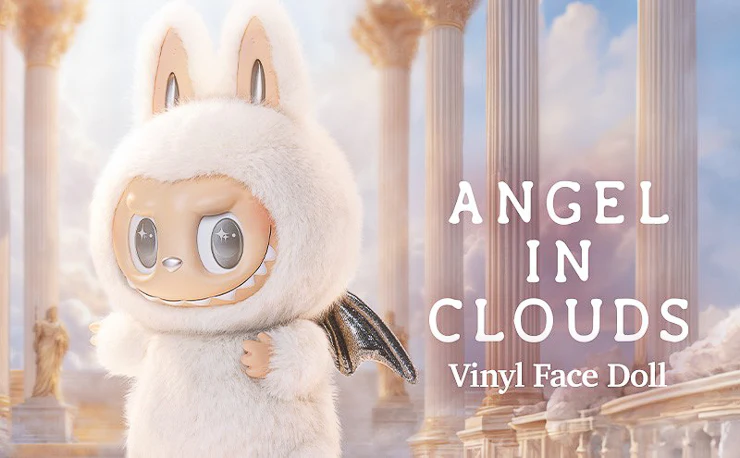
In the vast universe of designer toys and collectible art figures, few characters have managed to capture global attention quite like Labubu. At first glance, Labubu appears whimsical, slightly mischievous, and almost chaotic in design. Yet beneath its unusual appearance lies a carefully crafted artistic identity that resonates deeply with collectors, storytellers, and pop culture enthusiasts. Created by Hong Kong–Belgian artist Kasing Lung, Labubu is not just a toy; it is a narrative fragment, a visual emotion, and a symbol of imagination unrestricted by realism.
Labubu gained widespread recognition through its collaboration with Pop Mart, a leading name in the designer toy industry known for transforming collectible figures into mainstream cultural artifacts. Through blind box releases and limited-edition series, Labubu has evolved from a niche artistic creation into a global phenomenon that thrives on mystery, rarity, and emotional connection.
Origins of Labubu: The Mind of an Illustrator-Turned-Storyteller
Labubu originates from the creative universe of Kasing Lung, an illustrator who built entire fantastical worlds long before his characters became physical collectibles. His artistic style often draws from European fairy tales, childhood nostalgia, and slightly dark fantasy elements. Labubu, in particular, embodies the contradiction between innocence and mischief. It is not designed to be traditionally cute or conventionally beautiful; instead, it exists in a space where oddity becomes charm.
In its earliest conceptual form, Labubu was part of a broader narrative ecosystem filled with strange creatures and magical beings. These characters lived in surreal forests, dreamlike landscapes, and emotionally charged environments. When Pop Mart began transforming these illustrations into physical figures, Labubu naturally stood out due to its expressive face, jagged teeth, and unpredictable personality. It became a character that felt alive—not because it was realistic, but because it was emotionally expressive.
Design Philosophy: The Beauty of Imperfection
What makes Labubu visually striking is its deliberate departure from symmetry and perfection. Its wide eyes, irregular grin, and slightly chaotic proportions challenge traditional design principles. Instead of aiming for polished cuteness, Labubu embraces imperfection as its identity. This design philosophy aligns with a broader movement in modern collectible culture where emotional resonance is valued more than aesthetic perfection.
Each version of Labubu—whether dressed as an explorer, a monster, or a seasonal character—retains its core identity while experimenting with themes and costumes. This adaptability allows Labubu to exist in multiple storytelling contexts without losing its recognizable essence. The character becomes a canvas for endless reinterpretation, yet it remains instantly identifiable.
Collectors often describe Labubu as “expressively unpredictable.” Its facial expression feels like it is caught in a moment of mischief, curiosity, or surprise. This ambiguity is intentional, allowing viewers to project their own emotions onto the figure. In this way, Labubu becomes more than an object—it becomes a mirror of the observer’s imagination.
The Role of Blind Box Culture in Labubu’s Popularity
One of the most influential factors behind Labubu’s global rise is its integration into blind box culture. Blind boxes are sealed packages containing a random figure from a series, meaning buyers do not know which specific variant they will receive until opening it. This system introduces chance, excitement, and collectability into the experience.
Pop Mart has mastered this model, and La bubu has become one of its most iconic characters within this system. The unpredictability of blind boxes transforms each purchase into an emotional event. Collectors often describe the moment of opening a Labubu box as a blend of anticipation, surprise, and satisfaction. This ritual-like experience has helped build a strong community around the character.
Beyond individual excitement, blind box culture also encourages trading and social interaction. Collectors exchange duplicates, hunt rare variants, and share their collections online. Labubu, therefore, exists not only as a physical object but also as a social connector that fosters community engagement across different countries and cultures.
Emotional Connection: Why People Relate to Labubu
At the heart of Labubu’s appeal is its emotional ambiguity. Unlike characters designed solely for cuteness or heroism, Labubu occupies a more complex emotional space. It looks mischievous but not malicious, playful but not innocent, strange but not frightening. This balance makes it relatable in a subtle, psychological way.
Many collectors interpret Labubu as a representation of hidden emotions—those parts of personality that are not always socially visible. Its slightly chaotic expression can reflect feelings of curiosity, awkwardness, or playful rebellion. In a world where many visual characters are highly polished and idealized, Labubu feels refreshingly imperfect and emotionally honest.
This emotional flexibility allows Labubu to transcend age groups. Children may see it as a funny, strange creature, while adults may interpret it as a symbolic reflection of inner complexity. This dual-layered meaning is one of the reasons Labubu has maintained long-term relevance in an ever-changing collectibles market.
Artistic Expansion and Limited Editions
As Labubu’s popularity grew, it began appearing in countless themed editions. Seasonal releases, collaborations, and experimental designs have expanded its universe significantly. From Halloween-inspired versions to fantasy warrior interpretations, Labubu continuously reinvents itself while maintaining its core identity.
These limited editions play a crucial role in maintaining demand and cultural relevance. Scarcity creates desirability, but artistic variation ensures continued interest. Each new release adds another chapter to Labubu’s evolving visual mythology. Collectors often treat these figures as parts of a larger narrative puzzle, even when no explicit storyline is provided.
The design team behind Pop Mart carefully balances creativity and consistency. While Labubu can change outfits, themes, and accessories, its facial structure and emotional expression remain intact. This consistency ensures that every variation still feels like part of the same universe.
Labubu in the Digital Age: From Shelf to Screen
Labubu’s influence extends far beyond physical collectibles. In the digital era, it has become a popular subject across social media platforms, where collectors showcase their displays, unboxings, and customized setups. The character’s expressive design makes it highly photogenic, contributing to its viral appeal.
Online communities dedicated to Labubu often function as creative spaces where fans share photography, storytelling, and display arrangements. Some even create miniature worlds or narratives around their figures, effectively expanding Labubu’s universe through user-generated content.
This digital presence has significantly amplified its cultural reach. Labubu is no longer confined to toy shelves; it exists in feeds, forums, and creative digital spaces where its identity continues to evolve through collective imagination.





Post Comment