The Biggest Mistakes People Make When Disposing of Old Vehicles
Disposing of an old vehicle is something many people eventually have to deal with, whether the car has reached the end of its lifespan, been damaged beyond repair, or simply become too expensive to maintain. While it may seem like a straightforward process, many vehicle owners unknowingly make mistakes that cost them money, create legal issues, or negatively impact the environment. Understanding these common pitfalls can help you make informed decisions and ensure your old vehicle is disposed of responsibly.
Many people don’t realize there are professional services that specialise in unwanted cars collection in Sydney, making it much easier to dispose of vehicles that are no longer roadworthy or worth repairing. Instead of letting an unwanted car sit idle for months, these services provide a practical solution by collecting vehicles directly from the owner’s location. Choosing the right service early can help avoid unnecessary storage costs, ongoing maintenance expenses, and further depreciation while ensuring the vehicle is handled responsibly.
Delaying the Decision for Too Long
One of the most common mistakes is holding onto an old vehicle in the hope that it might be repaired or used again someday. Unfortunately, vehicles continue to deteriorate even when they are not being driven. Rust spreads, batteries lose their charge, tyres deteriorate, and mechanical parts become less reliable over time.
The longer a vehicle remains unused, the lower its potential value becomes. Selling or disposing of it sooner often results in a smoother process and may provide better financial returns.
Ignoring Ownership and Legal Requirements
Disposing of a vehicle involves more than simply handing over the keys. Owners should ensure all ownership documents are transferred correctly and any required notifications are completed with the appropriate authorities.
Failing to complete the legal process could leave you responsible for fines, registration issues, or liabilities if the vehicle is involved in future incidents. Completing the paperwork properly protects everyone involved in the transaction.
Accepting the First Offer Without Comparing Options
Many people contact the first buyer or removal company they find and accept the initial offer without researching alternatives. This can lead to receiving less than the vehicle is actually worth.
Different companies evaluate vehicles differently based on their recycling processes, demand for spare parts, and operating costs. Comparing several quotes allows you to make a more informed decision and increases your chances of receiving fair value.
Forgetting Personal Belongings Inside the Vehicle
Old vehicles often become storage spaces without owners even realizing it. Before arranging disposal, thoroughly inspect every part of the vehicle, including:
- Glove compartment
- Centre console
- Boot
- Under the seats
- Door pockets
- Sun visor compartments
People frequently leave behind important documents, sunglasses, tools, charging cables, garage remotes, spare keys, and other personal belongings that can be difficult or impossible to recover later.
Leaving Personal Data in Modern Vehicles
Today’s vehicles often store more than just physical belongings. Infotainment systems may contain phone contacts, navigation history, saved addresses, Bluetooth connections, call logs, and even garage door settings.
Before disposing of your vehicle, restore the multimedia system to its factory settings whenever possible. This simple precaution helps protect your personal information and privacy.
Overlooking Valuable Parts and Accessories
Not every part of an old vehicle loses its value. Many aftermarket accessories and upgraded components can still be useful or sold separately before disposal.
Examples include:
- Alloy wheels
- Roof racks
- Premium sound systems
- Dash cameras
- Tow bars
- Seat covers
- Performance upgrades
Removing accessories that are not included in the disposal agreement may help increase your overall return.
Assuming an Old Vehicle Has No Value
Many owners believe that once a vehicle stops running, it becomes worthless. In reality, even severely damaged or non-operational vehicles contain valuable materials and reusable components.
Items such as engines, transmissions, catalytic converters, alternators, radiators, batteries, and various metal components often retain value for recycling or refurbishment. Understanding what your vehicle still offers helps you negotiate more confidently.
Disposing of the Vehicle Improperly
Abandoning a vehicle or arranging disposal through unreliable channels can have serious environmental consequences. Vehicles contain numerous hazardous substances, including engine oil, coolant, brake fluid, transmission fluid, batteries, and fuel residues.
Responsible disposal ensures these materials are handled safely while allowing recyclable metals and usable parts to be recovered instead of ending up in landfill.
Failing to Gather Important Documents
Preparing the necessary paperwork before collection makes the disposal process much smoother. Depending on local requirements, useful documents may include:
- Proof of ownership
- Vehicle registration
- Driver identification
- Service records
- Maintenance history
Having these documents readily available reduces delays and helps verify ownership quickly.
Forgetting to Cancel Insurance and Registration
Another mistake many owners make is forgetting to cancel insurance policies or update vehicle registration records after disposal.
Continuing to pay insurance premiums or registration fees for a vehicle you no longer own results in unnecessary expenses. Contact the relevant organisations promptly once the disposal process has been completed.
Spending Too Much on Repairs Before Disposal
Some owners invest significant amounts of money trying to repair an ageing vehicle before selling it. While certain minor repairs may improve presentation, expensive mechanical work often fails to provide a worthwhile return.
Before authorising major repairs, compare the repair costs with the vehicle’s actual market value. In many cases, disposing of the vehicle in its current condition is the more sensible financial decision.
Choosing Companies Without Checking Their Reputation
Not every vehicle removal service offers the same level of professionalism. Some advertise attractive prices but later reduce their offers or introduce unexpected fees.
Reading customer reviews, confirming licensing where applicable, and asking whether collection fees apply can help you avoid unpleasant surprises. A reputable company should communicate clearly about pricing and the overall process from the beginning.
Planning Safe Removal
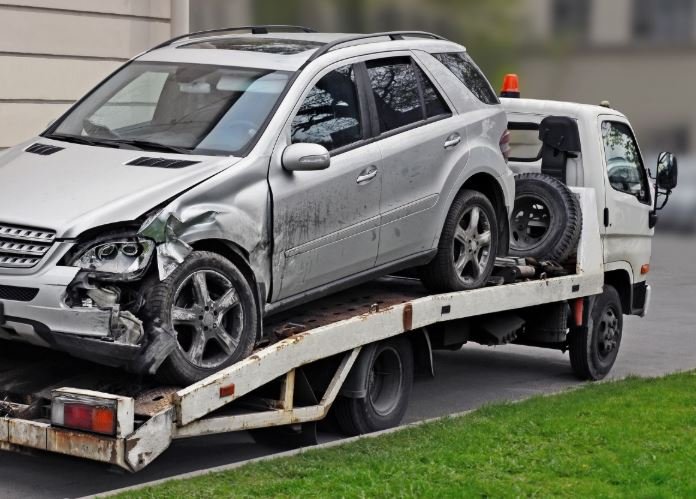
Moving a vehicle that no longer runs or has been seriously damaged can be challenging and potentially unsafe if attempted without the proper equipment. Professional Damaged car removal Sydney companies can safely remove vehicles that have been written off, mechanically failed, or suffered severe collision damage, eliminating the need for owners to arrange expensive towing. This not only saves time but also ensures the vehicle is transported safely and responsibly for dismantling or recycling.
Final Thoughts
Disposing of an old vehicle involves more than simply finding someone to take it away. Avoiding common mistakes such as delaying the decision, overlooking legal paperwork, forgetting personal belongings, or failing to compare disposal options can save both time and money.
By planning ahead and working with reputable vehicle disposal professionals, you can simplify the entire process while ensuring your vehicle is handled responsibly. A thoughtful approach helps protect your interests, supports environmentally responsible recycling, and makes saying goodbye to an old vehicle much easier.






Post Comment