Solar Plan Sets: The Paperwork That Makes or Breaks a Timeline
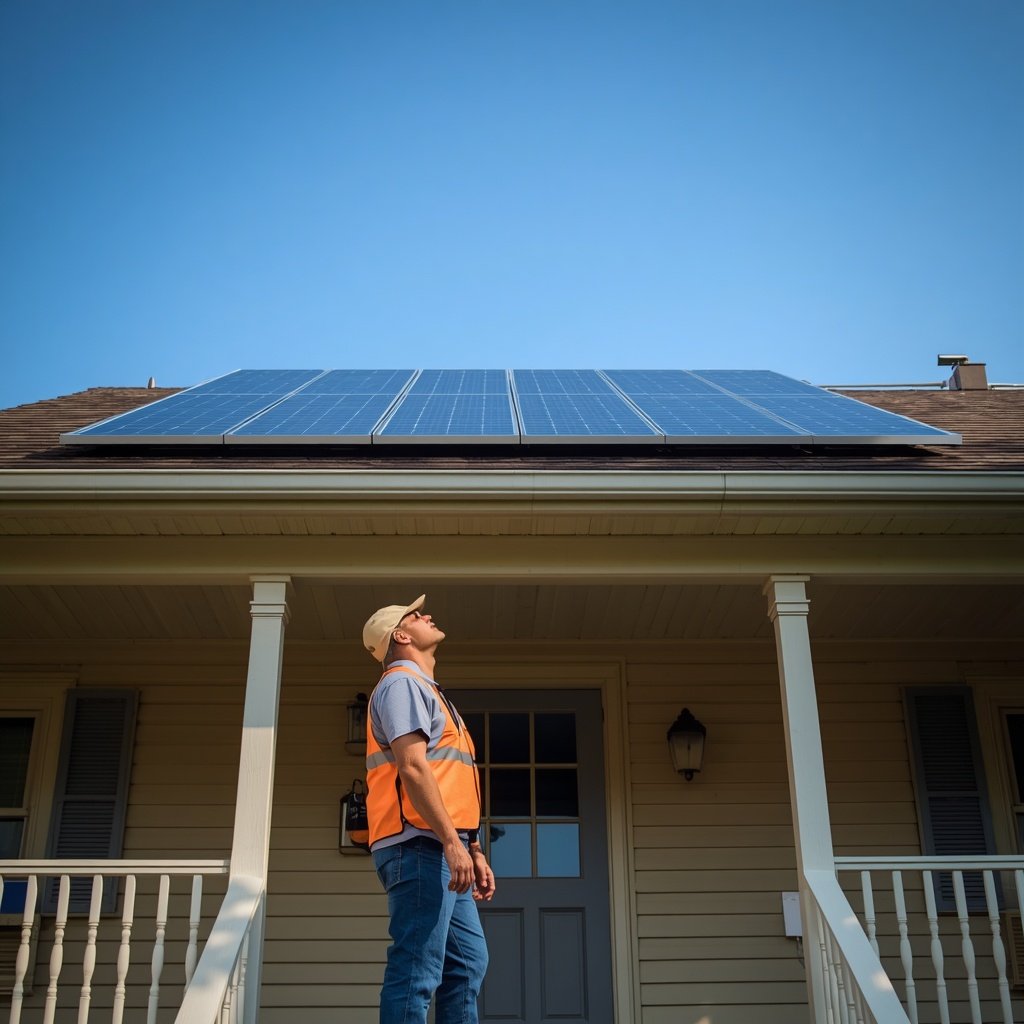
Long before a crew ever steps onto a roof, a project’s fate is largely decided by the quality of its solar plan sets, the technical drawings that show a building department exactly how a system will be built. These documents carry the wiring layout, mounting details, and structural math that reviewers need to sign off on a job, and when they’re rushed or incomplete, the whole schedule pays the price. That’s the exact problem PTOEdge was built to solve, giving installers documentation that survives review on the first submission instead of the third.
Because a single missing measurement can send an application straight back to the bottom of the pile, installers who treat drawings as an afterthought often end up losing more time than they save. In contrast, a project that starts with a solid solar sales proposal and carries that accuracy through permitting tends to move without unnecessary interruptions.
Tired of watching good projects stall over drawing errors? Send your next set to PTOEdge for review and find out what a clean first submission actually looks like.
Why Precision in Plan Sets Isn’t Optional
A strong plan set does more than satisfy a checklist; it gives every party involved, from the inspector to the installation crew, the exact same information to work from. When measurements, equipment specs, or wiring diagrams don’t match real site conditions, the mismatch usually surfaces at the worst possible time, mid-inspection or mid-install. That kind of surprise costs money and patience on both sides.
Similarly, well-documented PV plan sets give reviewers confidence that a design has been thought through rather than assembled in a rush. Installers who submit consistent, detailed drawing packages tend to build stronger relationships with local building departments over time, which can quietly speed up future submissions too.
Solar Plan Sets and the Role They Play in Structural Approval
Because roofs differ in age, material, and load tolerance, accurate solar plan sets need to reflect real structural conditions rather than generic assumptions. This is precisely where solar panel stamping enters the picture, since a licensed engineer reviews the design and certifies it can handle wind and seismic loads before a permit gets issued.
Rules Change From City to City, and That Trips Up a Lot of Teams
One of the most frustrating parts of this work is that a design approved in one jurisdiction can get rejected in the very next town over. As a result, staying on top of Permit Design & AHJ Compliance for each authority having jurisdiction matters just as much as getting the engineering right.
This shows up constantly in high-volume permitting regions. Teams that lean on solar permit services San Diego installers count on typically track these local quirks closely through dedicated AHJ review, since even small formatting differences can trigger an automatic bounce-back.
Solar Plan Sets and Why They Determine Utility Timelines
Utilities won’t move forward with activation until they’ve received a complete, code-compliant package built from accurate solar plan sets, which makes documentation quality a direct driver of how fast a system goes live. Installers who submit clean packages upfront consistently see shorter review windows than those who submit incomplete files and hope reviewers fill in the gaps.
Connecting Design Accuracy to Everything That Follows
A dependable solar stamping service paired with well-organized plan sets and attentive permitting support removes most of the friction that otherwise slows projects down. Once permitting clears, that same accuracy carries into PTO services, since utilities are comparing the finished install against what was originally submitted.
This consistency also compounds over time. Installers who deliver clean documentation and predictable timelines build the reputation that drives real Solar Installer Growth, since word-of-mouth rarely favors companies known for delays. Pairing a strong solar sales proposal with dependable permission to operate services and a completed PTO application gives a business a repeatable process instead of a constant scramble, and it all traces back to how carefully the original pto solar documentation was built.
Ready to submit a plan set that won’t bounce back? Get PTOEdge’s team on your next project and skip the round-trip corrections.
Frequently Asked Questions
What exactly do solar plan sets include?
They’re detailed engineering drawings covering electrical layout, structural specs, and site-specific measurements required for permit approval.
Why do plan sets get rejected so frequently?
Most rejections trace back to missing details, outdated site data, or drawings that don’t match the local jurisdiction’s code requirements.
How does solar panel stamping relate to plan sets?
It’s the licensed engineer certification confirming a plan set’s structural design is safe, which many jurisdictions require before permitting.
Do plan set errors affect PTO timelines later on?
Yes, inaccuracies from the plan set stage often resurface during inspection and end up delaying utility activation.
Why do permitting requirements differ so much by city?
Each authority having jurisdiction sets its own building, fire, and utility standards, so identical drawings can face different outcomes.





Post Comment