Small Planter Box Vegetables That Outperform In-Ground Plots
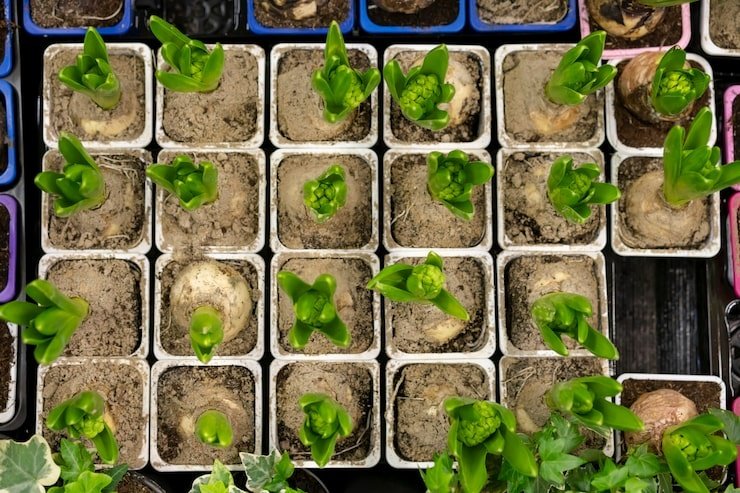
Here’s something most gardening books won’t tell you: small planter box vegetables often outperform their in-ground counterparts. Pound for pound, square foot for square foot, a well-tended garden planter box sitting on a patio or balcony can produce more food, more reliably, with less work. That’s not a marketing claim. It’s a result of how planters give you total control over soil, drainage, and warmth.
If you’ve ever wondered how your patio, balcony, or tight side yard could feed your family, the answer is a confident yes.
Why A Garden Planter Box Beats In-Ground Growing
Traditional in-ground gardens have to work with whatever soil you’ve inherited, whether that’s sandy, clay-heavy, rocky, compacted, or contaminated. A garden planter box flips that script entirely. You choose every ingredient that goes into the box, which means loose fertile soil from day one, warmer soil temperatures in early spring (giving you a 2 to 4 week head start), fewer weeds competing for nutrients, better drainage, and easier pest control. For small planter box vegetables, especially, these advantages compound, and a 2-foot-wide box can quietly outproduce a 4-foot in-ground row.
The Best Small Planter Box Vegetables For High Yields
- Cherry tomatoes are practically built for containers. Compact varieties like Tumbling Tom or Patio Princess love the warm, well-drained soil of your garden planter box. Expect dozens of tomatoes per plant from a 12-inch-deep box, often with better flavor than in-ground crops, thanks to the controlled moisture.
- Leaf lettuces grow fast and shallow-rooted, and they respond beautifully to consistent moisture. A single garden planter box can produce a steady stream of salad greens for months, especially if you use a cut-and-come-again harvesting method.
- Bush beans are another container superstar. No staking, no trellising, just steady production. They crank out pods in 50 to 60 days and laugh at container life. Peppers (sweet bells, jalapeños, and shishitos) also do exceptionally well in planters, and the warmer soil ripens fruit faster than in-ground beds.
- Radishes are the ultimate small planter box vegetable, ready in 25 to 30 days, with dozens fitting into a single box. Herbs like basil, parsley, cilantro, and chives tend to be more aromatic and flavorful when grown in a garden planter box, partly because the controlled environment lets you stress them just enough to concentrate their oils.
How To Set Your Garden Planter Box Up For Success
Want to maximize your small planter box vegetables? Focus on three things: soil depth, drainage, and watering.
Most vegetables need at least 8 to 12 inches of loose, rich soil. Root crops want a bit more. Your garden planter box should drain freely with no soggy bottoms, which is exactly how metal raised planters are engineered. Watering matters too, since containers dry out faster than in-ground beds, especially in summer. Self-watering systems or a simple drip line turn daily watering anxiety into a hands-off routine.
It’s also worth investing in a quality potting mix rather than scooping up garden dirt. Container soil should be lighter, fluffier, and richer than ground soil, and the difference shows up in plant performance within weeks.
Why Planter Boxes Are So Rewarding
Beyond yield, there’s something deeply satisfying about a garden planter box on a patio or balcony. You see your plants every day. You notice the first flower buds, the first fruit, the first harvest. It turns gardening from an occasional weekend activity into a daily joy you can step right outside your back door to enjoy. Share your wins online to inspire fellow gardeners starting their own small planter box vegetables journey.
Small Space, Big Yield
The lesson from countless backyard gardens and balcony plots is that productive growing has less to do with available square footage and more to do with how thoughtfully each square foot is used. A well-set-up garden planter box, with the right soil, drainage, and watering rhythm, can quietly outperform a much larger in-ground plot. If space has been your reason for not growing food, this is your opportunity to reconsider. Start with one box, choose the right small planter box vegetables for your conditions, and watch what happens over a single season.


Post Comment