The Secret Behind the Luxury Feel of Sleeve Gift Boxes
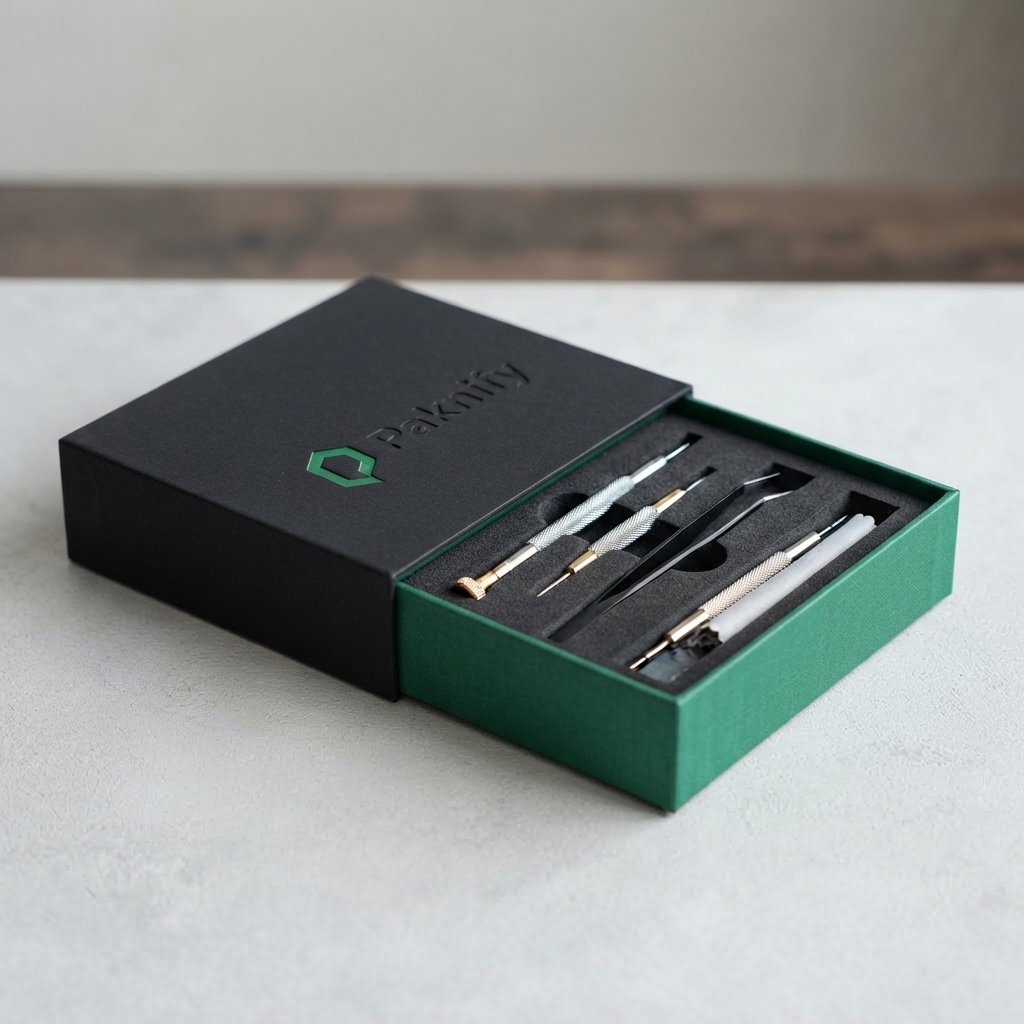
Walk into any premium boutique this year, and you’ll notice something the discount aisle doesn’t have: a pause. The customer doesn’t just tear into the packaging; they slide a sleeve off a rigid base, and for a half-second before the product appears, there’s anticipation. That pause is not an accident. It’s engineered. And it’s exactly what a well-built sleeve gift box is designed to create.
The Reveal Ritual, Not Just a Box
Luxury packaging in 2026 has moved past loud branding and gloss-heavy finishes. The current signature move among premium brands is structural: a drawer that slides, a lid that lifts, a sleeve box that reveals a nested base underneath. It’s a deliberate shift: the box itself becomes part of the gifting moment instead of just the container the gift arrives in.
A sleeve and tray gift box a printed outer sleeve that slides off a rigid or folding base tray delivers that exact experience at a production cost far below a fully rigid setup box. That’s the appeal for growing brands: you get the reveal choreography luxury houses are known for, without the tooling investment a magnetic rigid box demands.
Why Sleeve Construction Works for Gifting
A custom sleeve gift box is really two components working together:
- The outer sleeve wraps around the product on three or four sides, fully printed, and slides off horizontally rather than lifting like a lid
- The inner tray or base holds the product securely, often with a die-cut cavity or foam/paperboard insert
This two-piece structure gives brands a few advantages a single-piece folding carton can’t match:
- A built-in reveal moment the slide motion itself creates the anticipation that plain tuck-end boxes skip entirely
- Two branding surfaces the sleeve exterior for bold logo and pattern work, the interior tray for a secondary message or color pop
- Reusability a sturdy sleeve-and-tray structure is far more likely to be kept and reused for storage than a single-use mailer, extending brand exposure well past the unboxing moment
Where Sleeve Gift Boxes Fit Best
Not every product calls for a sleeve. They tend to outperform other formats specifically where presentation carries part of the purchase decision:
Gourmet Food And Confectionery Gifting
Sleeve boxes by Paknify are the standard format for premium chocolate, tea, and specialty gift sets, where recyclable paper-based sleeves have replaced plastic-windowed boxes across the category.
Beauty And Fragrance Sets
A sleeve lets a cosmetics brand pair a rigid inner tray (see custom cosmetics boxes) with a lighter printed sleeve, balancing shelf presence with cost.
Apparel And Accessory Gifting
Folded scarves, ties, or accessory sets benefit from a sleeve’s flat-lay presentation, complementing structured formats like apparel boxes.
Corporate And Seasonal Gift Sets
Sleeves scale well for bundled multi-item kits, especially paired with custom packaging inserts to keep each item fixed in place.
The Material and Color Shift Brands Are Making
Two shifts are reshaping how custom sleeve boxes get specified this year. First, material: recycled kraft, FSC-certified paperboard, and soy-based inks have gone from an eco-tier upgrade to a baseline expectation; a meaningful share of shoppers now say they favor brands that visibly commit to sustainable packaging. Second, color: the stark white-and-black minimalism that dominated luxury packaging for years is giving way to warmer palettes terracotta, sage, dusty rose, deep olive signaling craftsmanship rather than sterility.
Practically, that means a competitive sleeve gift box today typically pairs:
- Kraft or SBS C2S board for structural integrity
- Matte or soft-touch coating over gloss, for a tactile, premium hand-feel
- Foil stamping or blind embossing on the sleeve for logo emphasis without adding visual noise
- Anti-scuff varnish on the sleeve exterior, since sleeves see more surface friction in transit and on-shelf than a fixed carton
Sizing a Sleeve to Fit Correctly
A loose sleeve looks cheap; an overly tight one tears on the first slide. The standard approach: measure the base tray’s height and its full circumference at the widest point, then add roughly a quarter to half an inch of overlap allowance for the sleeve seam. Getting this dialed in before a bulk run is exactly what a free 3D mockup and physical sample are for: to confirm the slide tension feels right before committing to 500 or 5,000 units.
Build a Sleeve Box That Earns the Pause
If your product deserves a moment before it’s revealed not just a box it arrives in a custom sleeve-and-tray structure delivers that at a production cost well below fully rigid packaging. Explore how a sleeve pairs with custom gift boxes for bundled sets, or request a free die and 3D mockup to see your sleeve design before it goes to print.




Post Comment