Residential Childcare Level 3: Build the Skills to Support Children with Confidence
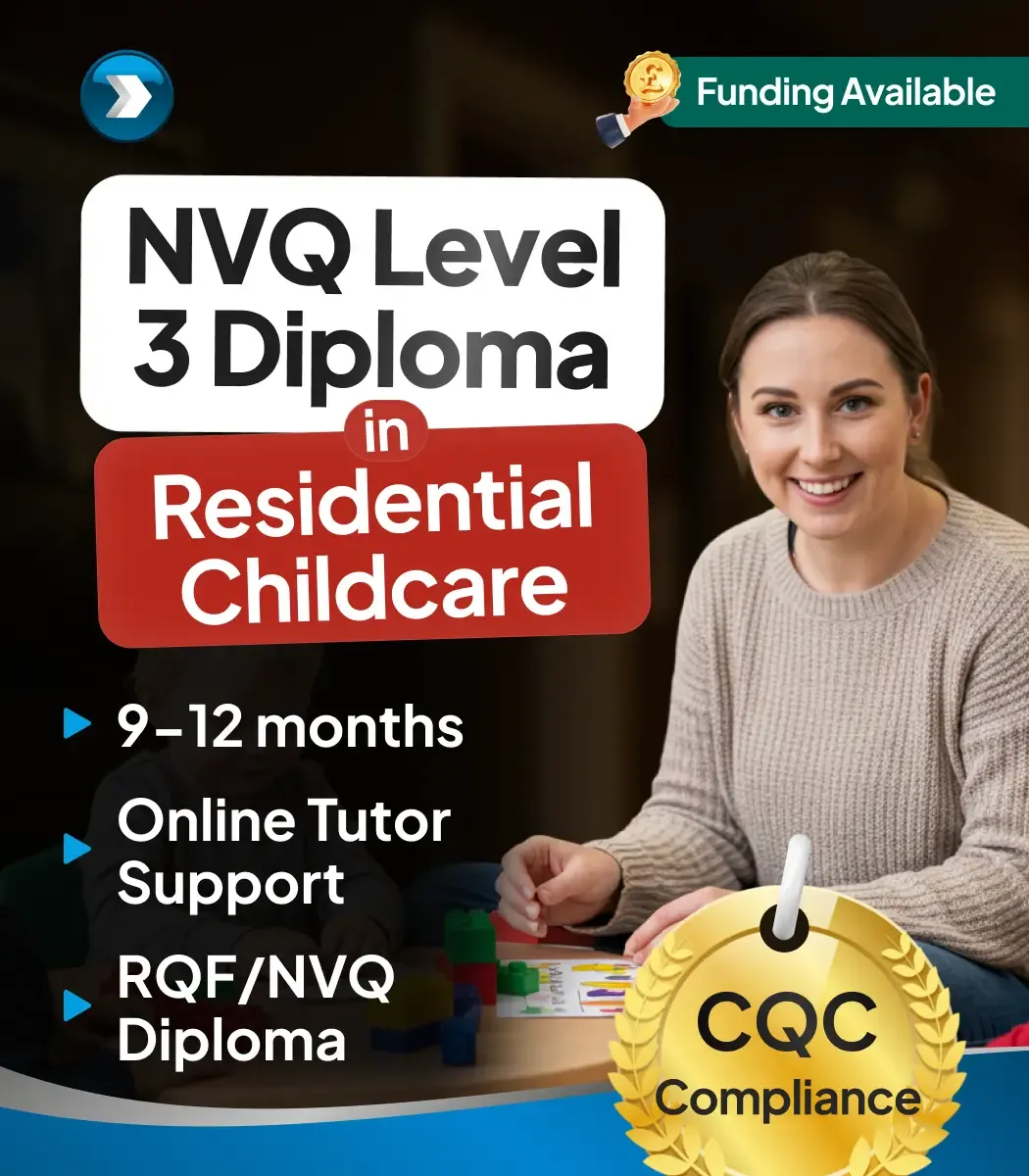
Working in residential childcare is more than a career—it’s an opportunity to create a safe, supportive, and nurturing environment for children and young people who need stability the most. Whether you’re beginning your journey in the care sector or already employed in a children’s residential home, completing a Residential Childcare Level 3 qualification is an essential step toward becoming a skilled and confident care professional.
This nationally recognised qualification is designed to help learners understand child development, safeguarding, trauma-informed care, communication, and professional practice while meeting the standards expected in residential childcare settings across England.

What Is Residential Childcare Level 3?
The Residential Childcare Level 3 qualification is a mandatory diploma for professionals working in children’s residential care. It combines practical workplace experience with theoretical learning, ensuring learners develop the knowledge and competence required to provide high-quality care.
Rather than relying on classroom exams, the qualification focuses on practical workplace learning. Learners demonstrate their skills through workplace observations, assignments, reflective logs, and professional discussions, helping them build confidence and competence in real residential childcare settings.
This practical approach allows learners to immediately apply what they learn while supporting children and young people in their daily roles.
Who Should Study This Qualification?
The qualification is suitable for individuals who:
- Work in a children’s residential care setting.
- Are preparing for a long-term career in residential childcare.
- Support children who have experienced trauma, abuse, or neglect.
- Want to progress into senior support worker or leadership positions.
- Need to complete the mandatory qualification required for residential childcare roles in England.
To enrol, learners must generally be aged 18 or over, work within a residential childcare setting, and be based in England.
Skills You Will Develop
The Residential Childcare Level 3 diploma develops both professional knowledge and practical skills that are essential in everyday care practice.
Throughout the programme, learners gain an understanding of:
- Child growth and development.
- Attachment theory and emotional wellbeing.
- Trauma-informed approaches.
- Safeguarding responsibilities.
- Positive behaviour support.
- Risk assessment and management.
- Communication skills.
- Care planning.
- Professional boundaries.
- Partnership working with other professionals.
These skills help practitioners provide safe, person-centred care while supporting children’s emotional, physical, educational, and social development.
Understanding Child Development
Every child develops differently, and understanding these differences is fundamental in residential childcare.
The qualification explores:
- Physical development.
- Emotional development.
- Social development.
- Cognitive development.
- The impact of trauma.
- Neurodiversity.
- Individual learning needs.
By recognising developmental milestones and individual differences, care professionals can provide support tailored to each child’s unique circumstances.

Safeguarding Comes First
Safeguarding is one of the most important responsibilities for anyone working with children.
The course provides learners with a clear understanding of:
- Child protection legislation.
- Recognising signs of abuse.
- Reporting safeguarding concerns.
- Confidentiality.
- Professional accountability.
- Risk reduction strategies.
These areas help ensure children remain protected while receiving appropriate support whenever concerns arise.
Trauma-Informed Care
Many children living in residential care have experienced difficult life events, including neglect, abuse, family breakdown, or loss.
The Residential Childcare Level 3 qualification introduces trauma-informed practice, helping practitioners understand how trauma affects behaviour, emotions, learning, and relationships.
Instead of focusing only on behaviour, learners discover how to identify underlying emotional needs and respond with empathy, consistency, and professional support.
This approach promotes emotional recovery while helping children develop trust and resilience.
Supporting Positive Behaviour
Managing challenging behaviour requires patience, understanding, and evidence-based strategies.
Rather than using punishment-focused approaches, the qualification teaches learners how to:
- Build positive relationships.
- Encourage emotional regulation.
- Set appropriate boundaries.
- Promote independence.
- Support children’s confidence.
- Reduce conflict through effective communication.
Positive behaviour support contributes to safer residential environments and improved outcomes for children.
Flexible Learning for Working Professionals
One of the biggest advantages of the qualification is its flexibility.
Learners can usually study through:
- Online learning platforms.
- Self-paced study.
- Tutor guidance.
- Workplace assessments.
- Learning resources.
- Webinars and workshops.
Most learners complete the programme within 9 to 12 months while continuing their existing employment.
This flexible structure makes it easier to balance work, study, and personal commitments.
Assessment Without Exams
Unlike many traditional qualifications, Residential Childcare Level 3 does not require formal written examinations.
Assessment typically includes:
- Workplace observations.
- Reflective journals.
- Practical evidence.
- Professional discussions.
- Coursework assignments.
This assessment method reflects real workplace competence rather than exam performance, making it highly relevant for care professionals.
Career Opportunities After Completion
Completing the qualification opens the door to a variety of rewarding career opportunities.
Graduates may progress into roles such as:
- Residential Childcare Practitioner.
- Residential Support Worker.
- Senior Residential Support Worker.
- Shift Leader.
- Key Worker.
- Team Leader.
Many learners also continue their professional development by progressing to higher-level qualifications in residential childcare leadership and management.
As experience grows, opportunities may include supervisory, deputy manager, or registered manager positions.
Why This Qualification Matters
Children in residential care often rely on skilled professionals to provide consistency, encouragement, and emotional support during challenging periods of their lives.
The Residential Childcare Level 3 qualification helps practitioners develop the confidence to:
- Build meaningful relationships.
- Protect vulnerable children.
- Support positive development.
- Promote wellbeing.
- Work professionally within care teams.
- Deliver high-quality residential care.
It also ensures practitioners understand current legislation, safeguarding responsibilities, and best practices expected throughout England’s Residential Childcare Level 3 sector.
Final Thoughts
Choosing a career in residential childcare means making a genuine difference in children’s lives every day. Completing the Residential Childcare Level 3 qualification provides the practical knowledge, professional confidence, and recognised credentials needed to succeed in this rewarding profession.
Whether you’re just starting your career or looking to strengthen your existing skills, this qualification equips you with the tools to deliver compassionate, safe, and effective care. With flexible study options, workplace-based assessments, and nationally recognised accreditation, it offers a clear pathway for personal growth and long-term career progression in Residential Childcare Level 3.





Post Comment