Rear End Accident Settlement: 8 Mistakes That Could Cost You Thousands
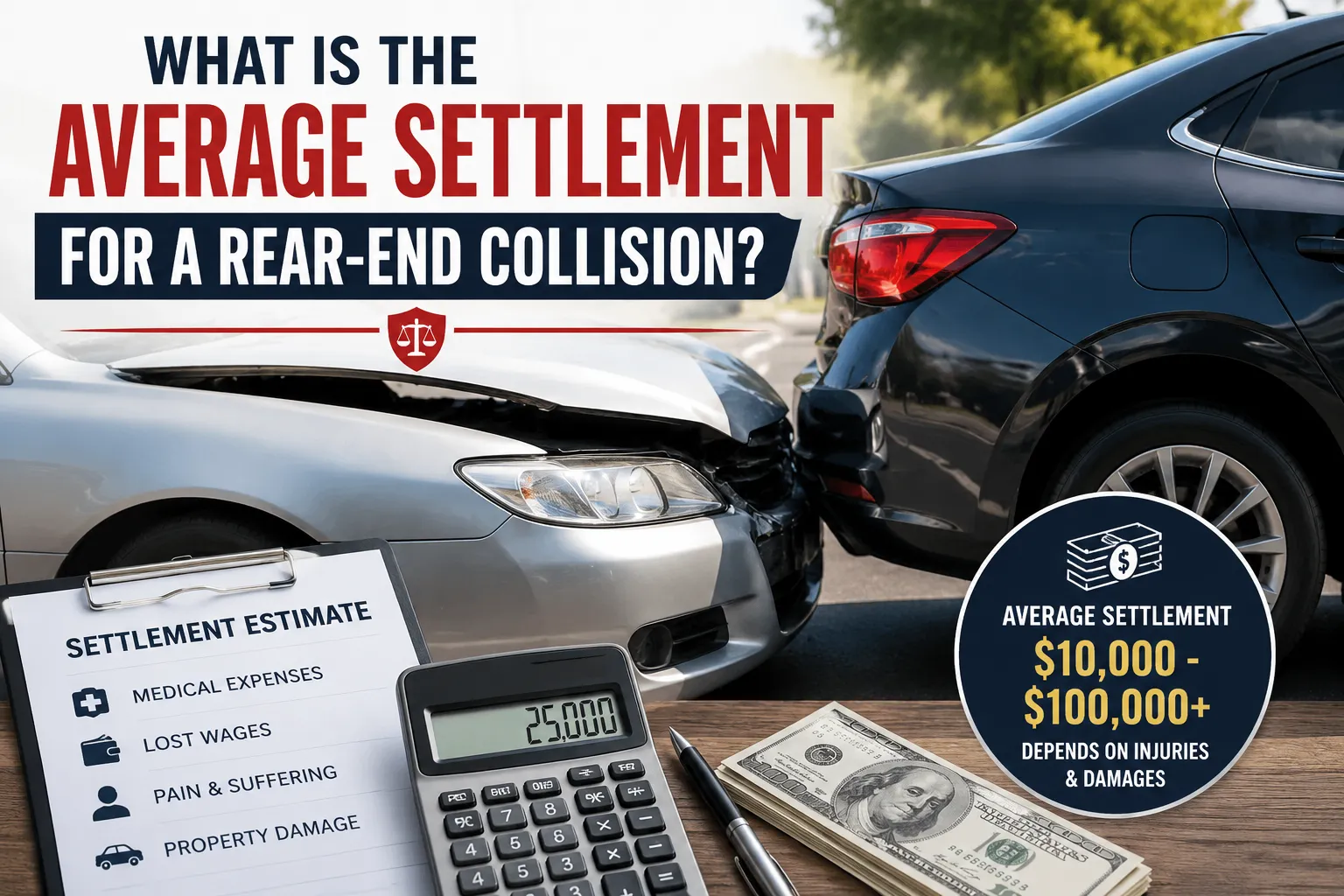
A rear-end collision can happen in seconds, but the financial and physical consequences may last for months or even years. Many accident victims assume that because another driver hit them from behind, receiving compensation will be simple. Unfortunately, insurance companies often look for reasons to minimize payouts, which can reduce the value of a rear end accident settlement.
Understanding the mistakes that commonly hurt injury claims can help you protect your rights and pursue fair compensation. Whether you suffered whiplash, back injuries, lost income, or ongoing medical expenses, knowing how the settlement process works is an important step toward recovery.
Why Rear-End Accident Settlements Vary So Much
No two accidents are exactly alike. While some claims settle quickly, others involve extensive negotiations and disputes.
Several factors influence settlement value, including:
- Severity of injuries
- Medical treatment costs
- Lost wages
- Property damage
- Insurance coverage limits
- Liability evidence
- Long-term health effects
- Pain and suffering damages
Because every claim is evaluated individually, settlement amounts can vary significantly from one case to another.
Mistake #1: Delaying Medical Treatment
One of the most damaging mistakes accident victims make is waiting too long to seek medical care.
After a rear-end collision, some injuries may not show symptoms immediately. Conditions such as whiplash, soft tissue injuries, concussions, and spinal injuries can worsen over time.
When treatment is delayed, insurance companies may argue:
- The injuries are unrelated to the crash.
- The injuries are not serious.
- Medical care was unnecessary.
Prompt medical evaluation creates documentation that connects your injuries directly to the accident.
Mistake #2: Accepting a Quick Settlement Offer
Insurance companies sometimes offer fast settlements before the full extent of injuries is known.
While a quick payment may seem appealing, accepting an early offer can prevent you from seeking additional compensation later.
Before agreeing to any settlement, consider:
- Future medical expenses
- Rehabilitation costs
- Lost earning potential
- Long-term pain and suffering
A settlement should reflect both current and future losses whenever possible.
Mistake #3: Failing to Document Evidence
Strong evidence often plays a major role in settlement negotiations.
Helpful evidence includes:
- Accident scene photographs
- Vehicle damage photos
- Police reports
- Witness information
- Medical records
- Repair estimates
The more documentation you have, the stronger your position may be during discussions with the insurance company.
Mistake #4: Underestimating Non-Economic Damages
Many people focus only on medical bills and vehicle repairs.
However, a rear end accident settlement may also include compensation for non-economic damages such as:
- Physical pain
- Emotional distress
- Anxiety
- Sleep disturbances
- Reduced quality of life
- Loss of enjoyment of activities
These damages can represent a significant portion of a claim, especially when injuries affect daily life for an extended period.
Mistake #5: Providing Recorded Statements Without Preparation
Insurance adjusters may request recorded statements shortly after the collision.
While cooperation is often necessary, accident victims should be careful when discussing details of the crash.
Even innocent comments can be misunderstood or used to challenge aspects of a claim later.
Providing accurate information while avoiding speculation is generally the safest approach.
Mistake #6: Ignoring Follow-Up Medical Care
Missing appointments or failing to follow treatment recommendations can weaken a claim.
Insurance companies often review medical histories carefully. If treatment stops unexpectedly, they may argue that:
- Recovery occurred sooner than claimed.
- Injuries were minor.
- Ongoing symptoms are unrelated to the accident.
Following your doctor’s recommendations helps support both recovery and claim credibility.
Mistake #7: Overlooking Lost Income Damages
A rear-end accident can affect more than your physical health.
Many victims lose income because they cannot work while recovering.
Compensation may include:
- Lost wages
- Missed overtime opportunities
- Reduced earning capacity
- Lost business income for self-employed individuals
Keeping employment records and pay documentation can help establish these losses.
Mistake #8: Handling a Complex Claim Alone
While some minor claims are straightforward, others involve significant injuries, disputed liability, or multiple insurance companies.
In these situations, working with an experienced Injury Attorney may provide valuable guidance.
A qualified Personal Injury Lawyer can help:
- Evaluate claim value
- Collect supporting evidence
- Negotiate with insurers
- Identify all available compensation sources
- Protect your legal rights
Professional legal assistance can be especially important when substantial damages are involved.
How Insurance Companies Evaluate Rear-End Collision Claims
Insurance carriers typically examine several key areas before making an offer.
Medical Expenses
Current and anticipated future treatment costs are carefully reviewed.
Liability Evidence
Adjusters examine police reports, witness statements, and accident documentation to determine fault.
Property Damage
Vehicle repair estimates and total loss evaluations are considered.
Impact on Daily Life
Insurers may assess how injuries affect work, family responsibilities, and routine activities.
Long-Term Consequences
Permanent disabilities or chronic pain conditions often increase settlement value because they create ongoing challenges for the injured person.
What You Can Do to Strengthen Your Claim
Taking proactive steps can improve your chances of receiving fair compensation.
Consider the following actions:
- Seek immediate medical care
- Report the accident promptly
- Preserve photographs and records
- Keep copies of all medical bills
- Track missed workdays
- Follow treatment recommendations
- Avoid discussing the case on social media
- Consult legal guidance when necessary
These measures help create a well-documented claim that is harder for insurers to dispute.
When Should You Contact a Personal Injury Lawyer?
While not every accident requires legal representation, it may be beneficial when:
- Serious injuries are involved
- Medical bills continue to increase
- Liability is disputed
- The insurance company denies responsibility
- Settlement offers appear inadequate
An experienced Personal Injury Lawyer can evaluate your situation and help determine the most effective path forward.
Final Thoughts
A rear end accident settlement depends on much more than simply proving another driver caused the crash. Medical documentation, injury severity, lost income, evidence quality, and negotiation strategy all play important roles in determining compensation.
Avoiding common mistakes and understanding the claims process can help protect your financial recovery. If your injuries are significant or the insurance company is not treating your claim fairly, consulting an experienced Injury Attorney may help you pursue the compensation you deserve.






Post Comment