Natural Face Wash for Sensitive Skin – Gentle Daily Cleanser
Introduction
If your skin turns red, itchy, or tight after washing your face, you’re not alone. Sensitive skin needs a cleanser that respects its barrier instead of stripping it. A natural face wash for sensitive skin works with your skin’s natural oils rather than against them, using plant-based ingredients that clean without the sting.
This guide walks through what actually makes a face wash gentle, how to pick one that suits reactive skin, and what a well-formulated foaming cleanser can look like in practice.
Why Sensitive Skin Reacts to Harsh Cleansers
Sensitive skin isn’t just a marketing term — it’s a real physiological state where the skin barrier is thinner or more permeable than average. When that barrier is compromised, everyday cleansers loaded with sulfates, synthetic fragrance, or high pH surfactants can trigger redness, flaking, or that tight, squeaky feeling people mistake for “clean.” The truth is, that tightness usually means the cleanser pulled out lipids your skin needed to stay comfortable.
People with conditions like rosacea or eczema often notice this the most, but even skin without a diagnosed condition can become reactive from over-washing, weather changes, or using too many actives at once. That’s why dermatologists frequently recommend switching to milder formulas before adding anything else to a routine. A cleanser is the one product you use twice a day, every day, so its gentleness matters more than almost anything else on your shelf.
What Makes a Face Wash Truly Gentle
Not every product labeled “natural” is actually mild. Gentleness comes down to a few concrete things: a balanced pH close to skin’s natural level, mild surfactants instead of harsh detergents, and the absence of drying alcohols or synthetic fragrance. Ingredients like citrus extracts and rose oil are popular in gentle formulas because they offer a light, natural scent without relying on synthetic perfume compounds that commonly cause irritation.
Foaming cleansers get a bad reputation sometimes, but foam itself isn’t the problem — it’s what creates the foam. A well-balanced foaming face wash can still be soft on skin if it’s built around mild, plant-derived surfactants rather than aggressive detergents. The foam simply helps distribute the product evenly and lift away sweat, oil, and light makeup without heavy scrubbing, which matters since sensitive skin generally reacts more to friction than to the cleanser itself.
Citrus & Rose: A Gentle Formula Worth Knowing About
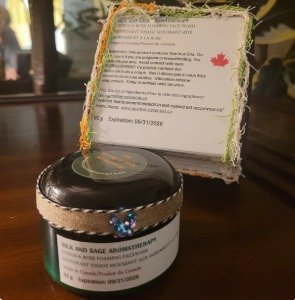
One example worth mentioning is the Citrus & Rose Foaming Face Wash from SILK & SAGE AROMATHERAPY, a handcrafted cleanser built around citrus and rose oils. It’s designed for daily use, meant to be lathered with warm water and worked gently into the skin before rinsing clean.
The formula is vegetarian-friendly and comes in a compact 92g size with a pink scoop for easy, mess-free application — a small detail, but one that shows attention to how people actually use the product morning after morning. Because it contains tree nut oils, it’s not suited for anyone with a tree nut allergy, and like any cosmetic cleanser, it’s meant for external use only, with a caution to avoid contact with the eyes.
It’s also not recommended during pregnancy or breastfeeding, which is worth checking against any product containing essential oils. Storing it away from heat and direct light helps preserve the natural oils inside, and it should be discarded at the first sign of a change in texture, color, or smell — a good habit for any natural skincare product, since these formulas typically lack the heavy synthetic preservatives found in mass-market cleansers.
Building a Routine Around a Gentle Cleanser
Washing your face isn’t just about the product — technique matters just as much. Warm (not hot) water, a light touch, and a full rinse make a bigger difference than people expect. Hot water can worsen redness and dryness in reactive skin, while cold water simply doesn’t dissolve oil and product residue as effectively.
Twice a day is typically enough for most people; over-washing can actually worsen sensitivity by disrupting the skin’s natural moisture barrier. After cleansing, pat the skin dry rather than rubbing, and follow up quickly with a moisturizer while the skin is still slightly damp — this helps lock in hydration before it evaporates. If you’re introducing a new cleanser, give it a week or two before judging results. Skin needs time to adjust, especially if it’s coming off a harsher product.
Signs You’ve Found the Right Cleanser
A gentle cleanser should leave your skin feeling comfortable, not stripped. No tightness, no stinging, no visible redness within minutes of rinsing. If your skin feels soft and calm rather than “squeaky clean,” that’s usually a good sign the formula is doing its job. On the other hand, if you notice increased dryness, breakouts, or irritation within the first few uses, it may be worth patch-testing a small area first, particularly if you have known sensitivities to essential oils or botanical extracts.
It also helps to pay attention to how the product performs across seasons. Skin often becomes more reactive in colder months when humidity drops, so a cleanser that felt fine in summer might feel slightly different once the weather turns. Adjusting frequency, or following with a richer moisturizer, can usually solve this without needing to switch products entirely.
FAQs
Is a natural face wash always better for sensitive skin?
Not automatically. “Natural” doesn’t guarantee gentleness — some plant extracts and essential oils can still irritate sensitive skin. What matters more is the overall formulation: pH balance, mild surfactants, and minimal synthetic fragrance.
Can foaming cleansers be gentle?
Yes. Foam itself isn’t drying; the type of surfactant used is what determines gentleness. Mild, plant-based foaming agents can cleanse effectively without stripping the skin’s natural oils.
How often should sensitive skin be washed?
Twice daily is generally sufficient — once in the morning and once at night. Washing more often than that can weaken the skin barrier over time.
Are essential oil–based cleansers safe during pregnancy?
Not always. Some essential oils are advised against during pregnancy or breastfeeding, so it’s worth checking product warnings and, when in doubt, consulting a healthcare provider.
What should I do if a new cleanser causes irritation?
Stop using it and give your skin a few days to recover with a bland, fragrance-free moisturizer. If irritation persists, consider seeing a dermatologist to rule out an allergic reaction.
Final Thoughts
Choosing the right cleanser for sensitive skin isn’t about chasing trends — it’s about understanding what your skin actually needs and reading past the marketing language on the bottle. Look for balanced formulas, mild surfactants, and ingredients you recognize, and give your skin time to adjust before judging results.
Whether you go with a citrus-rose blend or another gentle formula, the goal stays the same: clean skin that still feels like your own, not stripped, tight, or irritated by the very product meant to care for it.





Post Comment