Modern Entertainment Center Design Ideas Today
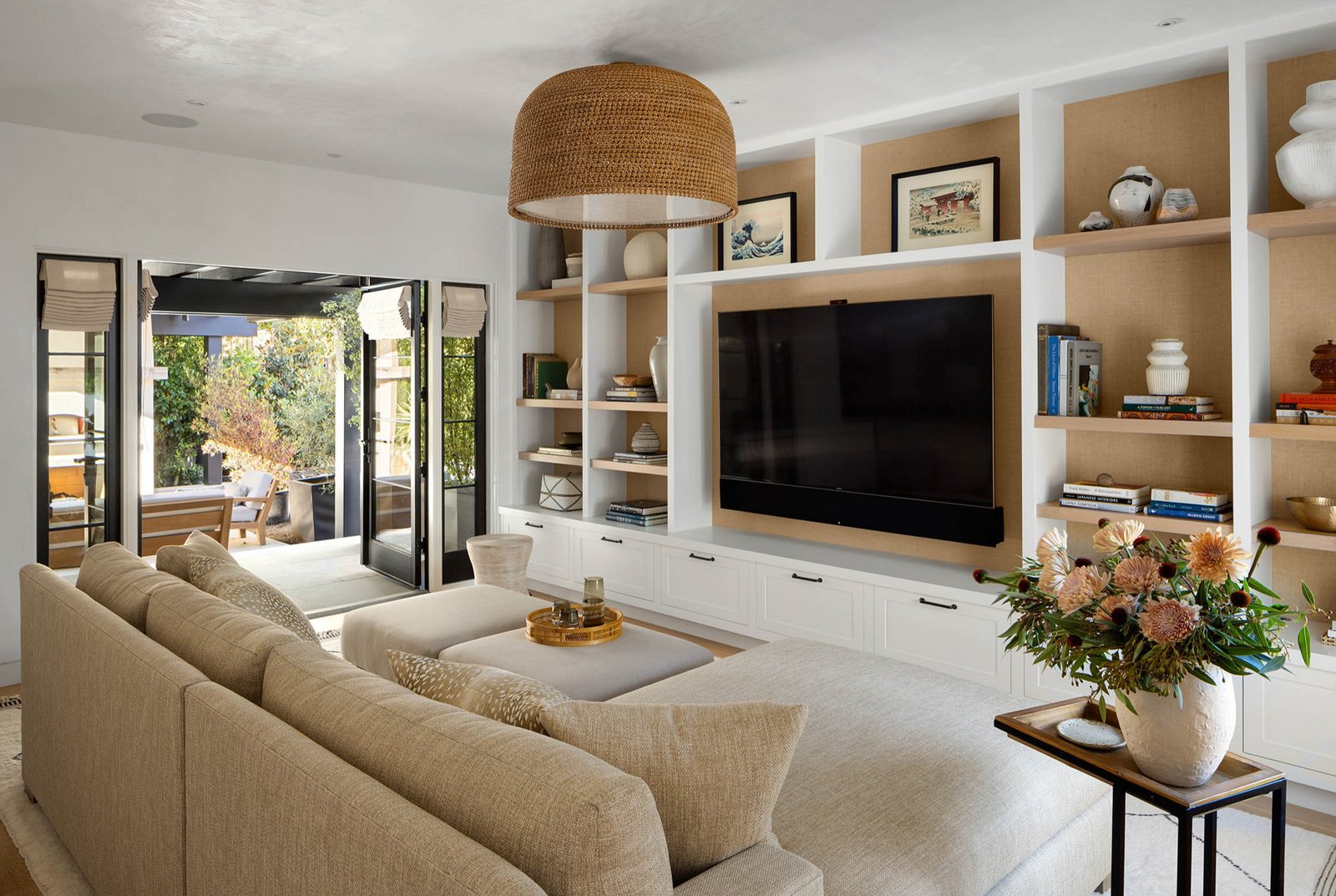
Creating a comfortable and functional living room often begins with choosing the right furniture. Among the most important pieces is the modern entertainment center, which helps organize media devices, display decorative items, and create a visually balanced space. Understanding different layouts, storage options, and design styles can help homeowners make informed decisions when planning or updating their living areas.
Many people focus only on television size when selecting entertainment furniture. However, the wrong design can create clutter, reduce storage efficiency, and disrupt the overall appearance of the room. A well-planned entertainment center supports both everyday living and long-term organization.
The best solutions combine aesthetics with functionality. Whether you live in a compact apartment or a spacious family home, selecting furniture that complements your lifestyle ensures your entertainment area remains attractive, practical, and easy to maintain for years.
Understanding a Modern Entertainment Center
A modern entertainment center is much more than a television stand. It serves as a central hub that stores electronics, hides cables, organizes accessories, and enhances the overall interior design.
Unlike traditional bulky cabinets, modern designs emphasize clean lines, efficient storage, and minimal visual clutter. Many homeowners prefer neutral finishes, floating shelves, and integrated storage compartments because they provide a contemporary appearance without overwhelming the room.
Common features include:
- Closed cabinets for concealed storage
- Open shelving for gaming consoles and media players
- Cable management systems
- Adjustable shelves
- Display sections for books, artwork, or decorative accents
- Durable materials designed for daily use
The goal is to create a balanced space where technology blends naturally with home décor instead of dominating the room.
Step-by-Step Guide to Choosing the Right Entertainment Center
Selecting the right entertainment center requires more than simply matching furniture colors. A thoughtful approach produces better long-term results.
Measure Your Available Space
Start by measuring the wall width, ceiling height, and floor space. Leave enough room for comfortable movement around the furniture.
A large entertainment center may look impressive in a showroom but can overwhelm a smaller living room.
Match the TV Size
Choose furniture that is wider than your television. This creates visual balance while providing additional space for decorative items or speakers.
The center should also position the television at a comfortable viewing height to reduce neck strain during extended use.
Consider Storage Needs
Think about everything you plan to store, including:
- Streaming devices
- Gaming consoles
- Remote controls
- Speakers
- DVDs or Blu-rays
- Board games
- Books
Planning storage in advance prevents clutter from accumulating over time.
Select Durable Materials
Material quality directly affects longevity.
Popular choices include engineered wood, solid wood, tempered glass, and metal frames. Homes with children or pets often benefit from scratch-resistant finishes that require minimal maintenance.
Plan for Cable Management
Visible wires quickly make even expensive furniture appear disorganized.
Choose models with built-in cable routing holes or hidden compartments that keep cords organized while allowing easy access for future upgrades.
Think About Future Technology
Technology evolves rapidly.
Selecting furniture with adjustable shelves and flexible storage allows room for new devices without replacing the entire entertainment center.
Design Elements That Improve Everyday Living
Several design choices can significantly improve usability while maintaining a clean appearance.
Floating Entertainment Centers
Floating units create additional floor space and produce a more open feeling.
They also make cleaning underneath much easier while giving the room a contemporary aesthetic.
Mixed Open and Closed Storage
Open shelves provide convenient access to frequently used electronics.
Closed cabinets hide less attractive items such as cables, routers, manuals, or extra accessories.
Combining both styles creates a balanced and practical storage solution.
Integrated Lighting
Soft LED lighting enhances visibility while creating a comfortable atmosphere during movie nights.
Warm lighting also highlights decorative objects without becoming distracting.
Decorative Displays
An entertainment center should not consist solely of electronics.
Adding books, framed artwork, indoor plants, or ceramic pieces introduces personality while preventing the space from appearing overly technical.
Common Mistakes When Choosing an Entertainment Center
Many homeowners make avoidable mistakes that reduce functionality or shorten furniture lifespan.
One common issue is selecting furniture based only on appearance. Attractive designs may lack sufficient storage or proper cable management.
Another mistake involves ignoring room proportions. Oversized furniture can make small rooms feel cramped, while undersized units often appear disconnected from the rest of the décor.
Poor ventilation also creates problems. Electronics generate heat, and tightly enclosed cabinets may reduce airflow, potentially affecting equipment performance over time.
Some buyers overlook accessibility as well. Frequently used devices should remain easy to reach without constantly moving decorative objects.
Finally, failing to consider future upgrades often leads to unnecessary replacements. Choosing flexible shelving allows the entertainment center to adapt as technology changes.
Practical Tips From Interior Design Professionals
Experienced designers often prioritize function before appearance.
Begin by identifying your daily habits. Families who enjoy gaming require different storage than households focused primarily on streaming movies.
Maintain visual balance by avoiding excessive decoration. Empty space is just as important as decorative accessories because it creates a cleaner, more organized appearance.
Use decorative storage baskets inside cabinets to organize small items like charging cables, batteries, controllers, and manuals.
Choose finishes that complement existing furniture rather than matching every piece exactly. Coordinated colors usually produce a more natural interior than identical finishes throughout the room.
Consider lighting conditions before placing the television. Excessive sunlight may create screen glare, reducing viewing comfort during the day.
If your home includes children, prioritize rounded edges and stable construction for improved safety.
For open-concept homes, the entertainment center can also serve as a visual anchor that connects the living room with nearby dining or kitchen spaces through consistent materials and colors.
Routine maintenance also extends furniture life. Dust shelves regularly, clean ventilation areas behind electronics, and inspect cable organization every few months to prevent unnecessary wear.
Thoughtful organization creates a space that remains attractive even during busy family routines.
Conclusion
A thoughtfully selected entertainment center does much more than support a television. It organizes technology, improves storage, enhances interior design, and creates a more enjoyable living environment. By considering room size, storage requirements, material quality, and future flexibility, homeowners can invest in furniture that remains functional for many years. Practical planning and careful design choices ultimately produce a comfortable space that balances modern style with everyday convenience.





Post Comment