Matte, Gloss or Carbon Fibre: Which Car Interior Wrap Finish Is Right?
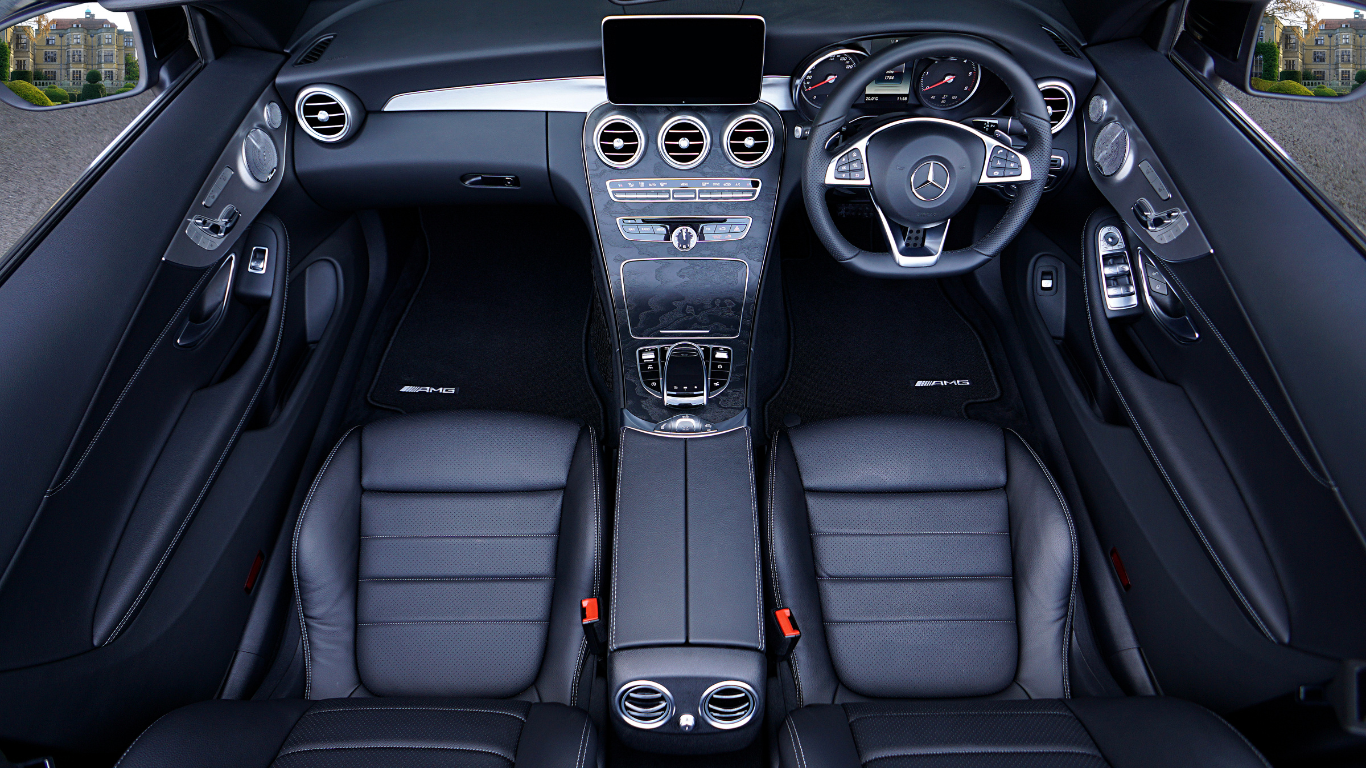
A matte dashboard can make a cabin feel understated. Gloss trim can create a sharper, more polished appearance. Carbon-fibre-style vinyl can give the interior a sportier character. But which one actually makes sense for your car? car interior wrap can change the appearance of selected interior surfaces without replacing the original trim underneath — offering a way to refresh or personalise a cabin without the cost of new parts. The three most common finishes owners consider are matte, gloss, and carbon fibre.
There isn’t one “best” finish here. The right choice depends on the vehicle, the existing interior, personal style, the specific surface being wrapped, and how the car is actually used day to day. This guide compares all three finishes directly, with real-world examples to help you figure out which one actually fits your cabin.
What Is a Car Interior Wrap?
Interior wrapping uses specialised vinyl or decorative film applied to suitable trim surfaces inside a vehicle. Common applications include dashboard trim, the centre console, door trim, various interior panels, decorative inserts, and other suitable hard surfaces throughout the cabin.
Not every interior surface should automatically be wrapped. Suitability depends on the surface material, its texture, its shape, its current condition, how much heat exposure it typically experiences, and its location within the cabin. Some surfaces are well suited to vinyl application, while others may require a different approach altogether — which is worth understanding before settling on a finish.
Matte Interior Wrap — Subtle and Modern
What Matte Looks Like
Matte vinyl has a low-reflective, soft visual appearance that reads as understated and modern. It’s noticeably less visually aggressive than gloss, giving surfaces a flatter, more subdued character.
Why Some Owners Choose Matte
Matte works well for owners who want a clean, contemporary cabin without excessive shine. It tends to suit interiors where a quieter, more restrained visual style is the goal.
Real-life example: Imagine a black interior with glossy factory trim that catches sunlight while driving. Replacing suitable trim with a matte finish can create a quieter visual appearance and reduce the amount of reflection coming off those surfaces — though it’s worth noting this won’t eliminate glare entirely, since other factors like windscreen angle and lighting also play a role.
Pros and Cons of Matte
Advantages: An understated appearance with modern styling that works well with minimalist interiors. It can complement black, grey, and darker cabins particularly well, and is generally less visually reflective than gloss.
Considerations: Dirt or marks may still become visible despite the non-reflective surface. Cleaning must follow the material manufacturer’s recommendations closely. Matte surfaces can be less forgiving if damaged, and the final appearance depends heavily on installation quality.
Gloss Interior Wrap — Sleek and Eye-Catching
What Gloss Looks Like
Gloss vinyl is reflective, with a smooth appearance and strong colour depth. It reads as more dramatic than matte, with a visual character similar to polished surfaces.
Why Some Owners Choose Gloss
Gloss tends to suit owners who want the interior to feel more striking, with colours that appear more vivid and a finish that catches the eye immediately.
Real-life example: A vehicle with black leather seats and silver accents could use gloss black wrapping on selected trim pieces to create a more unified, polished appearance throughout the cabin. That said, using too much gloss across multiple surfaces can make a cabin feel visually busy rather than cohesive.
Pros and Cons of Gloss
Advantages: Strong visual impact with a genuinely polished appearance. It can create a premium or sporty look and makes colours appear more vivid than matte alternatives.
Considerations: Fingerprints can be more noticeable on gloss surfaces, and dust may show more clearly. Reflections can be stronger, which isn’t always desirable depending on placement, and scratches may become more obvious depending on the specific material used.
Carbon Fibre Interior Wrap — Sporty Without Replacing Trim
It’s worth clarifying upfront what people usually mean by “carbon fibre wrap.” Decorative carbon-fibre-style vinyl creates the appearance or pattern associated with carbon fibre — it does not turn an ordinary trim piece into genuine structural carbon fibre. This distinction matters, since expectations should be set around visual styling rather than material properties.
Where It Can Work
Carbon-fibre-style finishes are commonly applied to the centre console, dashboard accents, door inserts, gear-area trim, and other sport-oriented decorative panels throughout the cabin.
Real-life example: A performance-focused vehicle with black seats and red stitching might use carbon-fibre-style trim on selected panels to reinforce the sporty character of the interior, without needing to change the entire cabin’s design.
Pros and Cons of Carbon Fibre Finish
Advantages: A genuinely sporty appearance that adds visual texture to otherwise flat surfaces. It works particularly well with performance-inspired interiors and creates good contrast against plain black or grey trim.
Considerations: It can look excessive if applied to too many surfaces throughout the cabin. Pattern alignment matters significantly for a clean, professional look. Low-quality material can look artificial rather than convincing, and not every vehicle interior genuinely suits a sporty finish.
Matte vs Gloss vs Carbon Fibre: Quick Comparison
| Feature | Matte | Gloss | Carbon Fibre |
|---|---|---|---|
| Appearance | Subtle | Reflective | Textured/sporty |
| Visual impact | Moderate | High | High |
| Style | Modern/minimal | Premium/polished | Performance-inspired |
| Reflections | Lower | Higher | Depends on material |
| Best for | Clean interiors | Dramatic styling | Sporty interiors |
| Maintenance considerations | Material-specific | Fingerprints may show | Pattern and finish need care |
Don’t choose based on the finish name alone — think about the entire cabin, not just the individual panel being wrapped.
Which Finish Works Best With Different Interior Styles?
Black interior: All three finishes can work well here. Matte creates an understated result, gloss delivers a more dramatic look, and carbon fibre adds a sporty edge.
Light interior: Matte may create a softer contrast against lighter tones, while gloss can create a stronger visual accent that stands out more against the surrounding colours.
Luxury interior: Consider using subtle matte or restrained gloss rather than covering every trim surface, keeping the overall effect refined rather than overdone.
Performance interior: Carbon-fibre-style finishes can complement existing sporty details, reinforcing a theme that’s likely already present elsewhere in the cabin.
Should You Wrap the Entire Interior?
Not necessarily. Selective wrapping can sometimes create a better result than covering everything, particularly when the goal is a refined, intentional look rather than a complete overhaul. Common selective approaches include wrapping the centre console only, dashboard accents, door inserts, steering-related decorative trim where appropriate, or matching several small trim pieces throughout the cabin.
A customer may initially want every visible trim piece wrapped in carbon fibre. After looking at the whole cabin together, they may find that wrapping only the centre console and dashboard accents creates a cleaner, more considered result than covering every available surface.
What About Surface Condition?
Before installation, it’s worth assessing scratches, cracks, peeling surfaces, deep texture, contamination, existing coatings, and any damaged trim. Vinyl isn’t a substitute for repairing severely damaged components — a surface needs to be genuinely suitable before wrapping is likely to succeed. A professional assessment can determine whether a given surface is a good candidate for wrapping or whether repair work should happen first.
Does Interior Heat Affect Vinyl?
This is an important practical consideration for Australian conditions, where vehicle interiors can experience significant heat, particularly when parked in direct sunlight for extended periods.
Several factors influence how well a wrap holds up under these conditions: material selection matters considerably, as does installation quality, along with the general suitability of the surface being wrapped. It’s best to follow the specific manufacturer’s specifications for the vinyl being used, rather than relying on general assumptions about heat tolerance.
How Long Does a Car Interior Wrap Last?
There’s no single lifespan that applies to every interior wrap. Longevity depends on the vinyl specification used, installation quality, heat exposure, sun exposure, the condition of the underlying surface, cleaning practices, and how frequently the vehicle is used.
Rather than relying on a generic “X years” claim, it’s worth asking directly about the specific material being proposed for your project and what its manufacturer recommends in terms of expected performance.
How Should Wrapped Interior Surfaces Be Maintained?
Keep surfaces clean, using cleaning methods recommended for the particular material installed. Avoid abrasive products, since aggressive scrubbing can affect decorative finishes over time. Be careful with chemicals, as not every interior cleaner is suitable for use on vinyl surfaces. And address damage early — small lifting or minor damage can become more noticeable and harder to fix if left unattended.
How Much Does a Car Interior Wrap Cost?
Pricing depends on several factors rather than a single universal figure: the number of panels involved, surface size, shape and contours, the material selected, the chosen finish, surface preparation requirements, trim complexity, installation time, and whether removal of existing material is needed.
A simple centre-console trim wrap is obviously a different job from wrapping multiple dashboard, door, and console panels throughout the entire cabin — which is exactly why customers researching this topic often receive quite different quotes depending on the scope of what they’re asking for.
How to Choose the Right Finish: A Simple Decision Guide
Choose matte if you prefer a subtle, contemporary, and understated appearance throughout the cabin.
Choose gloss if you want a polished, reflective, and attention-grabbing finish that makes a stronger visual statement.
Choose carbon fibre if you prefer a sporty, textured, and performance-inspired appearance that reinforces an existing theme.
Still unsure? Look at the existing colours, materials, and shapes already inside the vehicle, rather than choosing a finish in isolation from the rest of the cabin.
Common Car Interior Wrap Mistakes
Choosing a finish without considering the whole cabin as a unit. Wrapping too many surfaces at once. Selecting material based only on appearance rather than practicality. Ignoring surface condition before installation. Choosing the cheapest quote without understanding what’s included. Using unsuitable cleaning products once the wrap is installed. Assuming every vinyl performs identically regardless of brand or grade. Expecting decorative vinyl to provide PPF-level protection, which it isn’t designed for. And not asking exactly what surfaces are actually included in a quoted price.
What to Ask Before Hiring an Interior Wrapping Specialist
- Is my chosen surface suitable for wrapping?
- What vinyl material will be used?
- What finishes are available?
- How will the surface be prepared?
- Which panels are included?
- How will complex edges and curves be handled?
- What care does the material require?
- How should damaged vinyl be repaired?
- Can I see examples of similar interior projects?
- What is included in the quoted price?
Choosing the Right Finish with PROvinyl
For owners considering a car interior wrap, the finish is only one part of the decision. PROvinyl approaches interior wrapping by considering the surface, shape, desired finish, and overall cabin design before installation begins. This type of assessment can help avoid a common problem: choosing an attractive material that doesn’t actually work well with the existing interior or the intended use of the vehicle.
Professional advice can help you compare matte, gloss, carbon-fibre-style finishes, and other suitable decorative options against your specific cabin — rather than choosing a finish based on appearance alone.
Final Verdict — Which Finish Is Right?
There isn’t a universal winner. Matte is best for understated, modern styling. Gloss is best for a polished, more dramatic appearance. Carbon fibre is best for sporty, textured styling.
The more important point is this: the best interior finish is the one that works with the vehicle’s existing design, the surfaces being wrapped, and the owner’s expectations for maintenance and appearance — not simply the finish that looks most striking in isolation.
If you’re considering a car interior wrap, discussing the vehicle and intended finish with an experienced installer can help you make a more informed choice before committing to a material or design.
Frequently Asked Questions
What is the best finish for a car interior wrap? There is no universally best finish. Matte, gloss, and carbon-fibre-style finishes create different visual effects and should be selected according to the vehicle’s interior and owner’s preferences.
Is matte or gloss better for car interior trim? Matte offers a softer, less reflective appearance, while gloss provides a brighter, more polished look. The better option depends on the desired style.
Does carbon fibre wrap look like real carbon fibre? Carbon-fibre-style vinyl reproduces the visual pattern and texture associated with carbon fibre, but it is not the same material as genuine carbon fibre.
Can you wrap a car dashboard? Some dashboard surfaces may be suitable for vinyl wrapping, but suitability depends on the material, texture, shape, condition, and location of the surface.
Is car interior wrap removable? Vinyl can generally be removed by an experienced professional, but the condition of the original surface and the installation history can affect the removal process.
How long does interior vinyl wrap last? There is no universal lifespan. Material quality, installation, heat, sunlight, usage, and maintenance can all influence durability.
Does interior wrapping damage the original trim? Proper material selection, surface preparation, and professional removal can help minimise issues, but the suitability of the original surface should be assessed before installation.





Post Comment