Innovative Solutions by a Solid-State Electrolyte Manufacturer
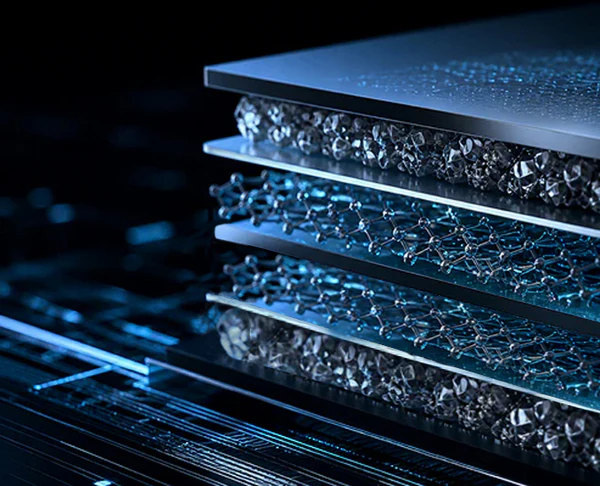
Solid-state electrolyte manufacturer Ampcera is focused on advanced battery materials and next-generation energy storage technologies. As battery research continues to move toward solid-state systems, researchers need reliable materials that can support laboratory studies, cell development, and performance testing. Solid electrolytes are important because they provide a solid path for ion movement between battery electrodes. Ampcera works with researchers, battery developers, manufacturers, and technology companies exploring new battery designs. Its material solutions can support research into electrolyte performance, cathode compatibility, cell interfaces, and battery processing. With a focus on material quality and practical research needs, Ampcera helps organizations explore new energy storage concepts and develop better battery technologies.
What Does a Solid-State Electrolyte Manufacturer Do?
A solid-state electrolyte manufacturer develops materials that can be used as solid ion-conducting components in advanced batteries. These materials are designed to allow lithium ions to move between the cathode and anode while remaining in a solid form.
Solid electrolytes are different from the liquid electrolytes used in many conventional batteries. This difference creates new opportunities for battery design and research.
Researchers may study solid electrolytes for:
- Lithium-ion battery development
- Solid-state battery research
- Advanced cathode systems
- Prototype cell development
- Electrolyte and electrode interface studies
- Energy storage research
Why Are Solid Electrolytes Important?
Solid electrolytes are attracting attention because they can support new battery structures. Researchers are studying different material types to understand their conductivity, stability, processing needs, and compatibility with other cell components.
The performance of a complete battery depends on many factors. The electrolyte must work properly with the cathode, anode, current collectors, and other parts of the cell.
Ampcera and Advanced Battery Materials
Ampcera focuses on materials and solutions for advanced battery research. Its work supports organizations exploring solid-state batteries, advanced electrolytes, coated cathodes, and other energy storage technologies.
A reliable solid-state electrolyte manufacturer can provide researchers with materials that are suitable for controlled laboratory experiments and development projects. Consistent material properties are especially important when teams compare different battery designs or repeat experiments.
Ampcera’s research-focused approach helps organizations explore material performance while developing new approaches to energy storage.
Supporting Battery Research
Battery development usually begins with material research and continues through electrode preparation, cell assembly, testing, and analysis. Each stage can provide important information about the behavior of a new material.
Ampcera supports this wider research process through its focus on advanced battery materials and technologies.
Types of Solid Electrolyte Materials
Different solid electrolyte families have different characteristics. Researchers select materials based on the battery design and target performance.
Sulfide Solid Electrolytes
Sulfide materials are widely studied for solid-state batteries because some compositions can provide high lithium-ion conductivity. Researchers also examine their stability, processing requirements, and interaction with electrode materials.
Oxide Solid Electrolytes
Oxide materials are another important area of solid-state battery research. Researchers study their conductivity, chemical stability, mechanical properties, and compatibility with different electrodes.
Polymer Solid Electrolytes
Polymer-based materials offer different physical and processing properties. They are studied for their flexibility, ion transport, and potential use in various battery designs.
Benefits of Working With a Solid-State Electrolyte Manufacturer
Choosing the right solid-state electrolyte manufacturer can help research teams access materials that match their development goals. Reliable sourcing can make laboratory work easier and help researchers maintain consistency between experiments.
Important benefits may include:
- Access to specialized materials
- Consistent material quality
- Research-scale quantities
- Technical product information
- Support for different battery projects
- Options for advanced material development
The specific benefits depend on the supplier, material type, and requirements of the research project.
Why Does Material Consistency Matter?
Battery experiments can be sensitive to small changes in material properties. If samples are not consistent, it may become difficult to determine why one cell performs differently from another.
Consistent materials can help researchers compare results and better understand the effect of changes in cell design.
Solid Electrolytes and Battery Interfaces
One of the important areas of solid-state battery research is the interface between the electrolyte and electrodes. Because these components are solid, physical contact and chemical compatibility can strongly influence cell behavior.
Researchers may investigate:
- Interface resistance
- Chemical reactions
- Surface stability
- Particle contact
- Mechanical behavior
- Long-term cycling
A suitable electrolyte can help researchers study these factors and understand how they affect complete cell performance.
Why Are Cathode Interfaces Important?
The cathode and electrolyte interact during battery operation. Unwanted reactions at this interface may affect performance over time.
Surface coatings are one approach researchers use to study and control cathode interfaces. Ampcera also works with coated cathode materials for advanced battery research.
How Is Solid Electrolyte Performance Tested?
A solid-state electrolyte manufacturer may provide material information that helps researchers plan their testing. However, researchers still need to evaluate the material under their own cell conditions.
Common tests may examine:
- Ionic conductivity
- Chemical composition
- Crystal structure
- Thermal behavior
- Mechanical properties
- Electrochemical stability
- Interface performance
Testing conditions can affect results, so researchers should document temperature, pressure, cell design, electrode composition, and other relevant factors.
What Can Researchers Learn From Testing?
Testing can show whether an electrolyte is suitable for a specific battery design. It can also help researchers compare different compositions and identify areas for improvement.
Material testing is therefore an important step between initial research and complete battery development.
Applications of Solid Electrolyte Technology
Solid electrolytes can be studied for a wide range of advanced energy storage applications. These include:
- Solid-state battery prototypes
- Electric vehicle battery research
- Portable electronics
- Stationary energy storage
- Aerospace battery research
- University research projects
- Industrial battery development
The final application depends on the electrolyte chemistry, cell design, operating conditions, and required performance.
Challenges in Solid-State Battery Development
Solid-state batteries offer interesting research opportunities, but they also have technical challenges. Researchers need to consider ion conductivity, interfaces, mechanical properties, manufacturing methods, and long-term stability.
Moisture Sensitivity
Some solid electrolyte materials are sensitive to moisture. Appropriate storage and handling conditions may therefore be required to protect material quality.
Interface Resistance
Contact between solid materials can create resistance. Researchers study particle size, pressure, surface treatments, and material combinations to improve contact.
Manufacturing Scale
A material that performs well in laboratory testing may require further development before it can be produced at commercial scale. Production teams must consider consistency, equipment, cost, quality control, and process efficiency.
How Ampcera Supports Solid-State Battery Development
Ampcera provides advanced battery materials for organizations researching next-generation energy storage. Its work includes solid electrolytes, coated cathode materials, battery processing services, and related research solutions.
Working with a specialized solid-state electrolyte manufacturer can help research teams explore materials while focusing on their specific battery development goals.
Ampcera’s materials can be evaluated in laboratory cells and prototype systems, allowing researchers to study how electrolytes perform with different electrodes and cell structures.
From Material Research to Prototype Cells
A typical battery development workflow may include:
- Selecting suitable materials.
- Characterizing the materials.
- Preparing electrodes.
- Combining the electrolyte and electrodes.
- Building prototype cells.
- Testing cell performance.
- Studying cycle behavior.
- Reviewing results.
- Adjusting the material or cell design.
This process helps teams move from early material studies toward more advanced battery development.
Choosing the Right Solid Electrolyte
When selecting a solid-state electrolyte manufacturer, researchers should consider the material’s composition, conductivity, stability, particle characteristics, available quantity, storage requirements, and compatibility with the planned cell.
Questions worth asking include:
- What electrolyte chemistry is available?
- What conductivity data is provided?
- What particle size is offered?
- How should the material be stored?
- Is the material suitable for the planned cell chemistry?
- What research quantities are available?
- Is technical information available?
Clear answers can help researchers make a better material selection.
The Future of Solid Electrolyte Technology
The demand for advanced energy storage continues to grow. Researchers are exploring materials that can support higher performance, improved reliability, and new battery structures.
A solid-state electrolyte manufacturer can play an important role in this development by providing materials for research and testing. Continued improvements in electrolyte chemistry, electrode interfaces, processing methods, and cell manufacturing may help solid-state batteries become more practical.
Future research may focus on:
- Higher ion conductivity
- Better interface stability
- Improved material processing
- Greater manufacturing consistency
- Lower production costs
- Improved cycle performance
- Easier scale-up
Ampcera continues to support this evolving field through its focus on advanced battery materials and research-driven solutions.
Frequently Asked Questions
What Is a Solid-State Electrolyte Manufacturer?
A solid-state electrolyte manufacturer develops and supplies solid materials designed to conduct ions inside solid-state battery systems.
Why Are Solid Electrolytes Used in Batteries?
Solid electrolytes provide a solid pathway for ion movement between battery electrodes and are being studied for advanced battery designs.
Can Ampcera Support Solid-State Battery Research?
Yes. Ampcera focuses on advanced battery materials and technologies that can support research, testing, and prototype development.
What Factors Affect Solid Electrolyte Performance?
Material composition, ionic conductivity, temperature, electrode compatibility, interface quality, processing conditions, and cell design can all affect performance. A solid-state electrolyte manufacturer can provide an important foundation for advanced battery research by supplying specialized materials for laboratory studies and cell development. Solid electrolytes are being explored for their ability to support new battery designs and next-generation energy storage systems. Ampcera focuses on advanced battery materials and supports researchers, manufacturers, and technology developers working on innovative energy storage solutions. From electrolyte research and cathode development to prototype cells and testing, reliable materials can help teams move their projects forward. As solid-state battery technology continues to develop, research into better electrolytes, interfaces, and manufacturing methods will remain important. With careful material selection, controlled processing, and detailed testing, organizations can continue exploring new opportunities for safer, efficient, and reliable energy storage.






Post Comment