Bacteriostatic Water vs Sterile Water: The Injectable Peptide Reconstitution Guide for Australian Research Laboratories
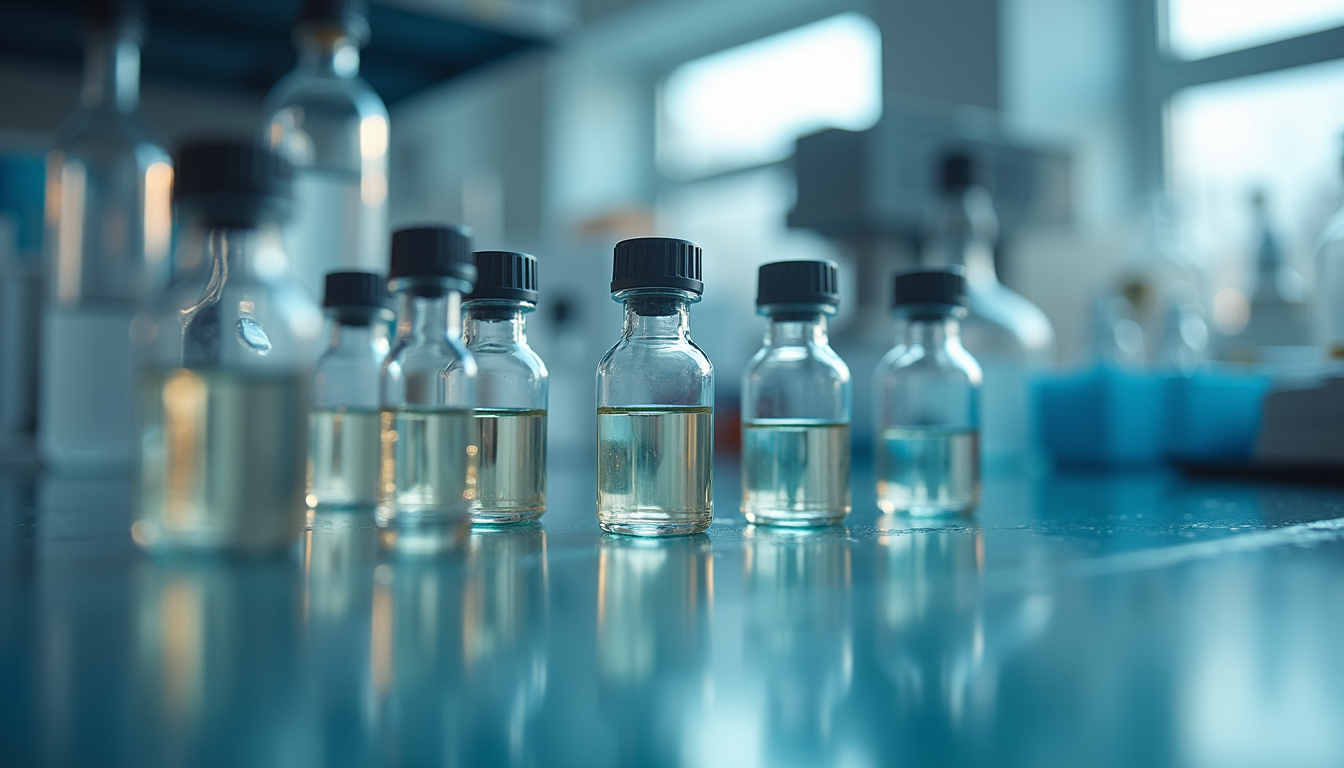
Peptide research continues to expand rapidly across Australia as biotechnology laboratories, scientific institutions, and molecular research facilities investigate advanced compounds related to metabolism, endocrinology, tissue recovery, and cellular signaling. As the demand for injectable peptide studies grows, researchers are placing increasing importance on proper laboratory preparation methods, including peptide reconstitution protocols.
One of the most frequently discussed topics in peptide handling is the difference between bacteriostatic water and sterile water. Understanding how these solutions are used in laboratory environments is essential for maintaining compound integrity, supporting accurate research conditions, and improving consistency during experimental procedures.
This guide explores the scientific differences between bacteriostatic water and sterile water and explains why proper reconstitution methods are critical in injectable peptide research.
Understanding Injectable Peptide Reconstitution
Peptides used in laboratory research are commonly supplied in lyophilized, or freeze-dried, form. Lyophilization helps preserve peptide stability during transport and storage by removing moisture from the compound.
Before laboratory use, researchers must reconstitute the peptide by adding a sterile liquid solution. This process transforms the lyophilized powder into a liquid suitable for controlled laboratory handling and experimental applications.
In peptide research environments, the two most commonly discussed reconstitution solutions are:
- Bacteriostatic water
- Sterile water
Although they may appear similar, they serve different purposes in research settings.
What Is Bacteriostatic Water?
Bacteriostatic water is sterile water that contains a small amount of benzyl alcohol, typically around 0.9%, which acts as a preservative.
The presence of benzyl alcohol helps inhibit bacterial growth after the vial has been opened. Because of this preservative property, bacteriostatic water is commonly used in multi-use laboratory settings where a solution may be accessed multiple times under controlled conditions.
Researchers involved in injectable peptide studies often use bacteriostatic water because it may help support:
- Extended usability after opening
- Reduced bacterial contamination risk
- Improved handling flexibility in laboratories
- Multi-use vial applications
Its widespread use has made it an important component in peptide preparation protocols.
What Is Sterile Water?
Sterile water is purified water prepared under sterile conditions without added preservatives or antimicrobial agents.
Unlike bacteriostatic water, sterile water is generally intended for single-use applications because it lacks ingredients that inhibit bacterial growth after exposure.
Researchers may choose sterile water for certain laboratory procedures requiring:
- Preservative-free solutions
- Immediate-use applications
- Specific experimental conditions
- Highly controlled reconstitution environments
Although sterile water remains important in laboratory science, it requires stricter handling protocols once opened.
Key Differences Between Bacteriostatic Water and Sterile Water
Understanding the distinction between these two solutions is essential for proper peptide handling.
Presence of Preservatives
- Bacteriostatic water contains benzyl alcohol
- Sterile water contains no preservatives
Multi-Use vs Single-Use Applications
- Bacteriostatic water is commonly used in multi-use laboratory settings
- Sterile water is generally preferred for immediate or single-use procedures
Contamination Control
- Bacteriostatic water may help reduce bacterial growth after opening
- Sterile water requires stricter contamination prevention practices
Storage Considerations
- Reconstituted compounds using bacteriostatic water may offer greater flexibility under proper laboratory conditions
- Sterile water solutions typically require more immediate use
These differences are important when designing laboratory handling protocols for injectable peptide research.
Why Proper Reconstitution Matters in Peptide Research?
Peptides are highly sensitive molecular compounds. Improper reconstitution practices may affect peptide integrity, stability, and overall research reliability.
Researchers conducting injectable peptide studies prioritize proper reconstitution because it may influence:
- Compound stability
- Molecular consistency
- Experimental accuracy
- Reproducibility of laboratory results
- Long-term storage quality
Maintaining precise laboratory standards is essential in modern biotechnology and peptide research.
Best Practices for Injectable Peptide Reconstitution
Australian research laboratories commonly follow strict peptide handling protocols to support scientific consistency and laboratory integrity.
Maintain Sterile Conditions
Researchers should use sterile handling techniques throughout the reconstitution process to minimize contamination risks.
Use Proper Storage Temperatures
Many reconstituted peptides require refrigeration under controlled laboratory conditions.
Avoid Excessive Agitation
Aggressive shaking may affect delicate peptide structures. Gentle mixing methods are often preferred.
Follow Accurate Measurement Procedures
Precision is critical when adding reconstitution solutions to peptide compounds.
Label Reconstituted Compounds Clearly
Laboratories typically record:
- Reconstitution date
- Concentration levels
- Batch identification
- Storage instructions
These procedures help support reliable experimental outcomes.
Why Injectable Peptide Research Continues to Grow in Australia
Australia’s biotechnology and life sciences sectors continue expanding rapidly, with increased focus on peptide-based scientific investigations.
Researchers throughout Australia are actively studying:
- Hormonal signaling pathways
- Metabolic regulation systems
- Tissue-related biological processes
- Cellular communication mechanisms
- Molecular recovery pathways
As interest in injectable peptides increases, laboratory handling standards and reconstitution procedures are becoming even more important within scientific research environments.
Importance of High-Quality Research Materials
Reliable scientific outcomes depend heavily on the quality of both peptide compounds and laboratory preparation materials.
Researchers sourcing injectable peptide supplies often prioritize:
High Purity Peptides
High-purity compounds help reduce variability in laboratory investigations.
Third-Party Laboratory Testing
Independent verification supports product reliability and molecular accuracy.
Certificates of Analysis (COA)
A COA may include:
- Purity confirmation
- Molecular verification
- Batch identification
- Analytical testing data
Proper Laboratory Storage Standards
Temperature control and sterile handling practices remain essential for peptide stability.
These quality measures help maintain research integrity and experimental consistency.
Challenges in Peptide Preparation and Handling
Although peptide science continues to advance rapidly, researchers still face several challenges related to compound preparation.
Molecular Sensitivity
Peptides can be highly sensitive to environmental conditions.
Storage Stability
Improper storage may affect peptide integrity over time.
Contamination Risks
Laboratory contamination can compromise scientific outcomes.
Experimental Variability
Differences in handling procedures may influence research consistency.
These challenges highlight the importance of standardized laboratory protocols.
Future of Injectable Peptide Research
As biotechnology evolves, injectable peptide research is expected to become increasingly sophisticated.
Future advancements may include:
Precision Laboratory Automation
Automated systems for peptide preparation and analysis.
Advanced Stability Research
Improved understanding of peptide preservation techniques.
AI-Assisted Biotechnology
Artificial intelligence supporting peptide analysis and quality control.
Enhanced Molecular Modeling
Better simulation of peptide interactions within biological systems.
These developments are expected to strengthen the role of peptide science within Australian biotechnology research.
Conclusion
Understanding the differences between bacteriostatic water and sterile water is essential for researchers involved in injectable peptide studies. Proper peptide reconstitution protocols play a major role in maintaining compound integrity, minimizing contamination risks, and supporting reliable laboratory outcomes.
As peptide research continues expanding throughout Australia, laboratories are placing greater emphasis on preparation accuracy, sterile handling practices, and high-quality research materials. Whether using bacteriostatic water or sterile water, maintaining precise reconstitution standards remains a critical part of successful injectable peptide research and modern scientific investigation.






Post Comment