How to Personalize a Custom Jenga Set for Your Brand
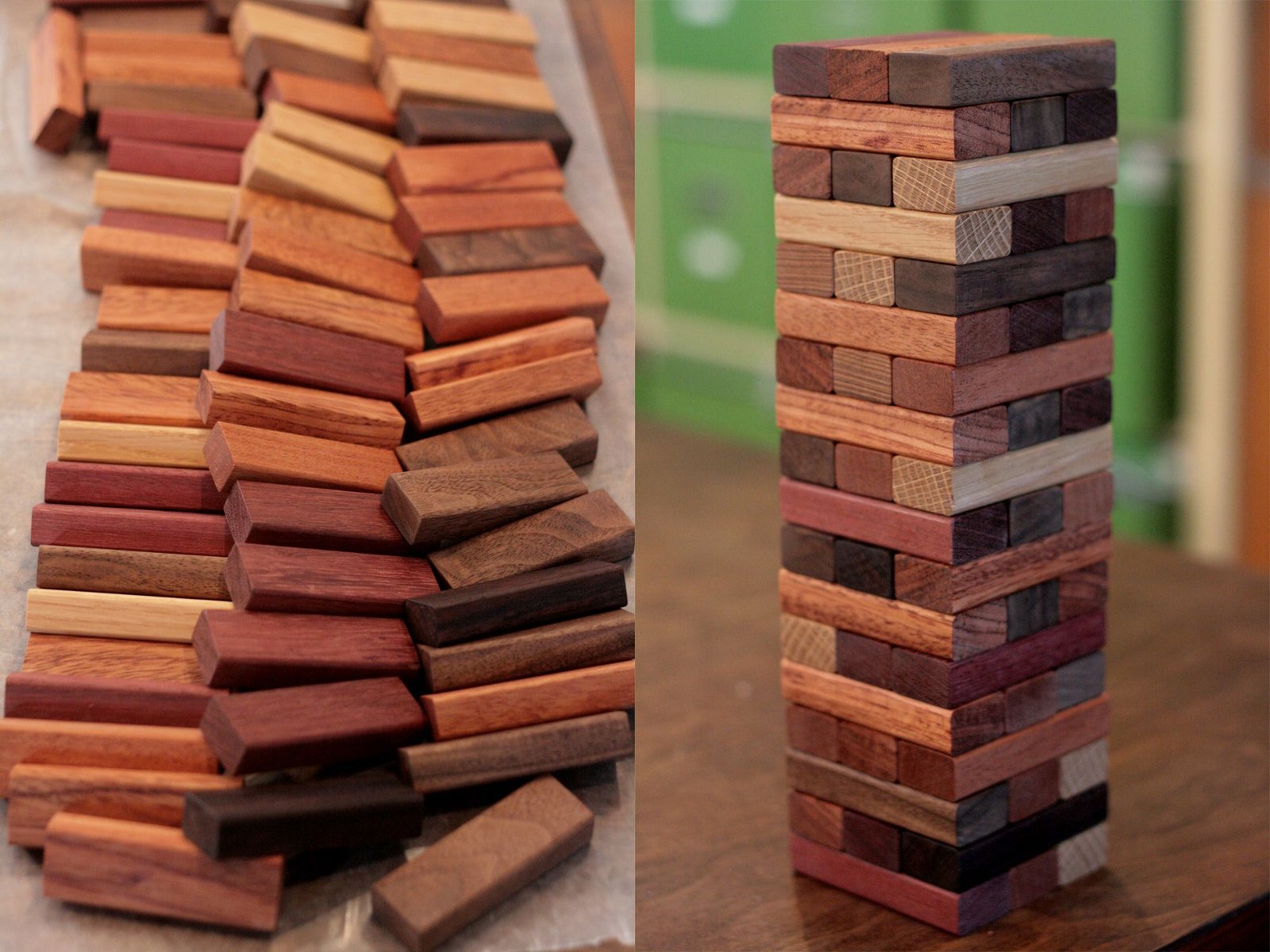
Brand promotion is no longer limited to traditional advertisements, printed brochures, or online campaigns. Businesses are increasingly looking for interactive ways to connect with customers and create memorable experiences.
One creative option is a branded game that combines entertainment with visual identity. A Custom Jenga Set can turn a familiar party game into an engaging promotional tool that represents your company, products, values, and personality.
Whether you are preparing for a corporate event, trade show, product launch, employee gathering, wedding, or promotional campaign, personalized Jenga can encourage people to interact while keeping your brand visible. With thoughtful customization, every block can become part of your marketing strategy.
Start With Your Brand Identity
The first step in creating a personalized Custom Jenga Set is understanding your existing brand identity. Consider your logo, brand colors, typography, imagery, slogan, and overall visual style. These elements should guide the design so that the finished game feels like a natural extension of your business.
For example, a technology company may prefer a modern design featuring clean graphics and minimal colors, while a children’s entertainment company might choose bright colors and playful illustrations. Maintaining consistency with your existing branding makes the promotional game easier for people to associate with your business.
Choose the Right Colors
Color is one of the easiest ways to make a branded game recognizable. Your company colors can be incorporated into the wooden blocks, packaging, display materials, or other components.
You do not necessarily need to color every piece. A combination of natural wood and selected brand colors can create an attractive appearance while keeping the traditional character of the game. If your brand uses several colors, consider assigning different colors to different groups of blocks.
Before finalizing your design, make sure the colors provide enough contrast for logos, text, and graphics to remain visible.
Add Your Logo
Your logo is one of the most important elements of promotional branding. It provides immediate recognition and helps connect the game with your business.
You can place your logo on individual blocks, the game box, storage bag, carrying case, or instruction materials. Depending on your preferred design, the logo can appear repeatedly or be positioned as a central feature on selected pieces.
For events where the game will be photographed or displayed publicly, placing the logo on the exterior packaging can provide another valuable branding opportunity.
Personalize the Blocks With Messages
A major advantage of personalized Jenga is the opportunity to add different messages to individual blocks. Instead of displaying the same logo repeatedly, you can use the pieces to communicate information or encourage interaction.
For a corporate event, blocks could feature short motivational statements, company values, fun facts, or conversation starters. A restaurant might use food-related challenges, while a fitness business could add simple activity prompts.
If the game is being used at a trade show, some blocks could contain questions about the company or its products. Participants can then interact with the brand while playing rather than simply seeing a logo on a promotional display.
Create Branded Challenges
You can make the game more engaging by incorporating challenges into selected blocks. These challenges can be designed around your campaign or event theme.
For example, a company hosting a team-building event could include instructions such as sharing a positive workplace experience or answering a business-related question. At a product launch, players could be asked to describe a favorite product feature or complete a lighthearted challenge.
The key is to keep the instructions simple and enjoyable. Challenges should add entertainment rather than make the game feel like a sales presentation.
Consider Your Target Audience
Customization should reflect the people who will actually play the game. A design created for children will naturally differ from one designed for corporate professionals.
Think about the audience’s age, interests, environment, and expectations. If the game is intended for families, playful graphics and simple challenges may work well. For a professional networking event, sophisticated colors, company messaging, and conversation-based prompts may be more appropriate.
Understanding your audience helps ensure that the game becomes something people genuinely want to use rather than simply another promotional item.
Use Packaging as a Marketing Tool
The game itself is only one part of the branding experience. Packaging can provide additional space for your company’s message.
A branded box can include your logo, website, social media handles, slogan, contact information, or a short description of your business. You can also include a QR code that directs players to a landing page, social media profile, promotional offer, or product catalog.
For giveaways, attractive packaging can make the item feel more valuable and encourage recipients to keep it long after the event has finished.
Select Durable Materials
Promotional games may be used repeatedly at parties, offices, exhibitions, and community events. For this reason, material quality matters.
Wooden blocks should be smooth, properly finished, and consistent in size so that the game remains enjoyable. High-quality printing or engraving can also help your branding remain visible through repeated use.
A durable game has a longer promotional lifespan. Instead of being discarded shortly after an event, it can continue to be used by customers, employees, or event organizers.
Make the Design Interactive
The most effective branded games encourage people to participate. Think beyond simply placing a logo on every piece.
You could create themed block categories, introduce questions, add fun facts, or use different colors to represent different activities. This approach gives players a reason to examine the pieces and interact with your branding naturally.
Interactive elements can also generate conversations between people who may not otherwise know each other. This makes the game particularly useful at networking events and exhibitions.
Match the Game to Your Campaign
If your business is running a particular marketing campaign, the game can be designed around its central theme. This creates a stronger connection between the physical promotional item and your wider marketing activities.
For example, a sustainability campaign could feature environmental messages, while a new product campaign could use blocks containing product-related facts. A seasonal event could incorporate holiday-themed graphics and colors.
Keeping the design connected to the campaign can make your promotional materials feel more coordinated and intentional.
Think About Where the Game Will Be Used
Before approving the final design, consider its intended environment. A game for a trade show may need bold visuals that are easy to recognize from a distance. A game for an office may benefit from more subtle branding and conversation-focused content.
For outdoor events, packaging and materials should be selected with transportation and handling in mind. For indoor corporate settings, a premium finish may be more important.
Planning around the use case can help you choose the right combination of design, materials, and customization.
Work With a Specialized Provider
A professional customization provider can help transform your concept into a finished promotional game. Share your logo, brand guidelines, preferred colors, artwork, and ideas for block messages.
Ask about available customization methods, material options, packaging, minimum quantities, and production timelines. Reviewing a digital proof before production can also help identify design problems before the final products are manufactured.
Clear communication is especially important when ordering games for a specific event deadline.
About jengacustom
jengacustom provides personalized Jenga-style games designed for promotional events, celebrations, corporate activities, and brand campaigns. Businesses can use customized blocks, branding elements, colors, messages, and packaging to create an entertaining product that reflects their identity.
By combining a familiar game format with creative branding, JengaCustom helps businesses create interactive promotional experiences that can encourage conversation and engagement.
Conclusion
Personalizing a branded game involves more than adding a logo. The most successful designs combine your brand identity with useful messages, attractive colors, interactive challenges, durable materials, and suitable packaging. By considering your audience and the environment where the game will be used, you can create a promotional item that feels entertaining rather than purely commercial.
A thoughtfully designed Custom Jenga Set can become a memorable part of corporate events, trade shows, parties, and marketing campaigns. With the right planning and creative approach, your branded game can provide entertainment while keeping your company visible and encouraging meaningful interaction with your audience.




Post Comment