How to Grow Lettuce Year-Round for Consistent, Abundant Harvests
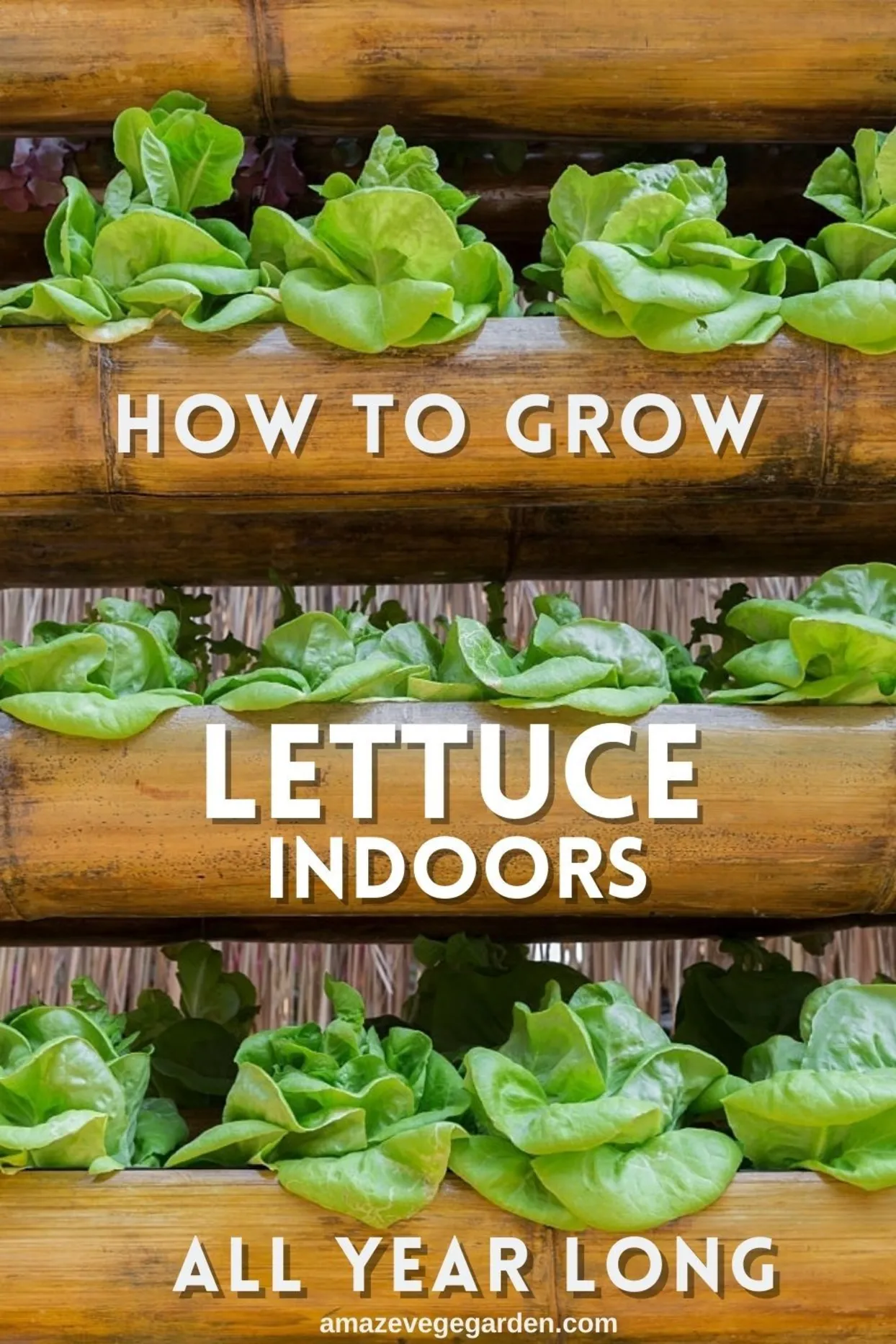
How to Grow Lettuce Year-Round for Consistent, Abundant Harvests – Fresh, crisp lettuce is one of the easiest and most rewarding vegetables to grow at home. Whether you have a spacious garden, a raised bed, or a few containers on a balcony, lettuce can provide a continuous supply of healthy greens throughout the year. With the right techniques, gardeners can enjoy consistent and abundant harvests regardless of the season.
This guide explains how to grow lettuce year-round and maximize productivity for a steady supply of fresh leaves.
Why Grow Lettuce All Year Long?
Lettuce is a fast-growing crop that adapts well to different growing conditions. Unlike many vegetables that produce only once per season, lettuce can be harvested repeatedly, making it ideal for continuous production.
Benefits of growing lettuce year-round include:
- Fresh vegetables available in every season.
- Reduced grocery expenses.
- Better flavor compared to store-bought lettuce.
- Minimal space requirements.
- Quick growth and easy maintenance.
- Multiple harvests from a single planting.
Because many lettuce varieties mature within 30 to 60 days, gardeners can enjoy several harvest cycles annually.
Choose the Right Lettuce Varieties
Different lettuce types perform better under various temperatures. Growing several varieties ensures reliable harvests throughout the year.
Leaf Lettuce
Leaf lettuce is among the easiest types to cultivate. It grows quickly and allows gardeners to harvest outer leaves while the plant continues producing.
Popular varieties include:
- Black Seeded Simpson
- Red Salad Bowl
- Oak Leaf
- Green Ice
Romaine Lettuce
Romaine varieties tolerate warmer temperatures better than some other types and produce upright, crunchy leaves.
Examples include:
- Parris Island Cos
- Little Gem
- Jericho
Butterhead Lettuce
Butterhead lettuce forms loose heads with tender leaves and thrives during cool seasons.
Common varieties are:
- Buttercrunch
- Bibb
- Tom Thumb
Heat-Tolerant Varieties
For summer production, choose lettuce that resists bolting.
Examples include:
- Jericho
- Nevada
- Muir
Using a mix of cool-season and heat-resistant varieties helps maintain year-round production.
Start with Quality Soil
Healthy soil is essential for vigorous lettuce growth.
Lettuce prefers:
- Loose, well-drained soil.
- Rich organic matter.
- A pH level between 6.0 and 7.0.
- Consistent moisture.
Before planting, improve the soil by adding:
- Compost
- Aged manure
- Organic fertilizer
Nutrient-rich soil promotes rapid leaf development and healthier plants.
Practice Succession Planting
One of the secrets to continuous harvests is succession planting.
Instead of sowing all seeds at once, plant small amounts every two to three weeks. This approach ensures that new plants mature as older plants are harvested.
For example:
- Week 1: Plant the first batch.
- Week 3: Plant a second batch.
- Week 5: Plant another row.
- Continue throughout the year.
Succession planting prevents large harvests from occurring all at once and provides a steady supply of fresh greens.
Provide the Right Amount of Sunlight
Lettuce grows best with moderate sunlight.
Spring and Fall
During cooler seasons, provide:
- Six to eight hours of sunlight daily.
Summer
In hot weather, partial shade can help prevent bolting and bitter leaves.
Consider:
- Shade cloth
- Planting near taller vegetables
- Growing in containers that can be moved
Winter
Indoor growers may use:
- South-facing windows
- LED grow lights
- Greenhouses
Adequate light ensures strong growth throughout the year.
Maintain Consistent Moisture
Lettuce contains a high percentage of water, making regular watering essential.
Tips for proper irrigation include:
- Water deeply but avoid soggy soil.
- Maintain even moisture.
- Use mulch to reduce evaporation.
- Water early in the morning.
Inconsistent watering may cause:
- Bitter leaves
- Stunted growth
- Premature bolting
A drip irrigation system can help maintain stable soil moisture and improve overall productivity.
Grow Lettuce in Containers
Container gardening allows lettuce production even when outdoor space is limited.
Choose containers that:
- Are at least six inches deep.
- Have good drainage holes.
- Hold moisture effectively.
Suitable containers include:
- Pots
- Window boxes
- Raised beds
- Fabric grow bags
Container-grown lettuce is easy to move during extreme weather, making year-round cultivation more manageable.
Protect Lettuce During Summer
High temperatures can cause lettuce to bolt, producing flowers and bitter leaves.
To extend harvests during summer:
- Choose heat-resistant varieties.
- Use shade cloth during the hottest part of the day.
- Water consistently.
- Harvest frequently.
- Plant in partially shaded areas.
These methods help maintain tender, flavorful leaves even during warm months.
Extend Production in Winter
Cold weather does not necessarily mean the end of lettuce season.
Several methods allow successful winter production:
Cold Frames
Cold frames trap heat and protect plants from frost.
Greenhouses
Greenhouses create a controlled environment that supports growth during colder months.
Indoor Growing
Lettuce thrives indoors under grow lights or near sunny windows.
Row Covers
Floating row covers provide insulation while allowing light and air circulation.
These solutions enable gardeners to harvest fresh lettuce even when temperatures drop.
Harvest Frequently for Maximum Yield
Regular harvesting encourages new growth.
There are two common methods:
Cut-and-Come-Again
Harvest only the outer leaves and allow the center to continue growing.
This method provides multiple harvests from the same plant.
Whole Head Harvest
Remove the entire plant when it reaches maturity.
Replant immediately to maintain continuous production.
Frequent harvesting improves productivity and keeps leaves tender and flavorful.
Watch for Common Problems
Although lettuce is relatively easy to grow, some issues may occur.
Aphids
These small insects feed on leaves.
Control methods include:
- Insecticidal soap
- Ladybugs
- Strong water sprays
Slugs
Slugs are common in moist environments.
Prevent them by:
- Removing debris.
- Using barriers.
- Applying organic slug controls.
Bolting
High temperatures and drought stress may trigger flowering.
Reduce the risk through:
- Regular watering.
- Shade protection.
- Heat-tolerant varieties.
Healthy plants are more productive and deliver better harvests throughout the year.
Final Thoughts
Growing lettuce year-round is an excellent way to enjoy a continuous supply of fresh, nutritious greens. By selecting suitable varieties, practicing succession planting, maintaining consistent moisture, and protecting plants from extreme temperatures, gardeners can achieve abundant harvests in every season.
Whether grown in raised beds, containers, greenhouses, or indoors, lettuce rewards gardeners with quick growth and repeated harvests. With careful planning and proper care, you can enjoy crisp, homegrown salads all year long while maximizing both productivity and flavor.
Article post by: belirangkalisari.id







Post Comment