How to Choose the Right Workspace Solution for Your Business
Introduction
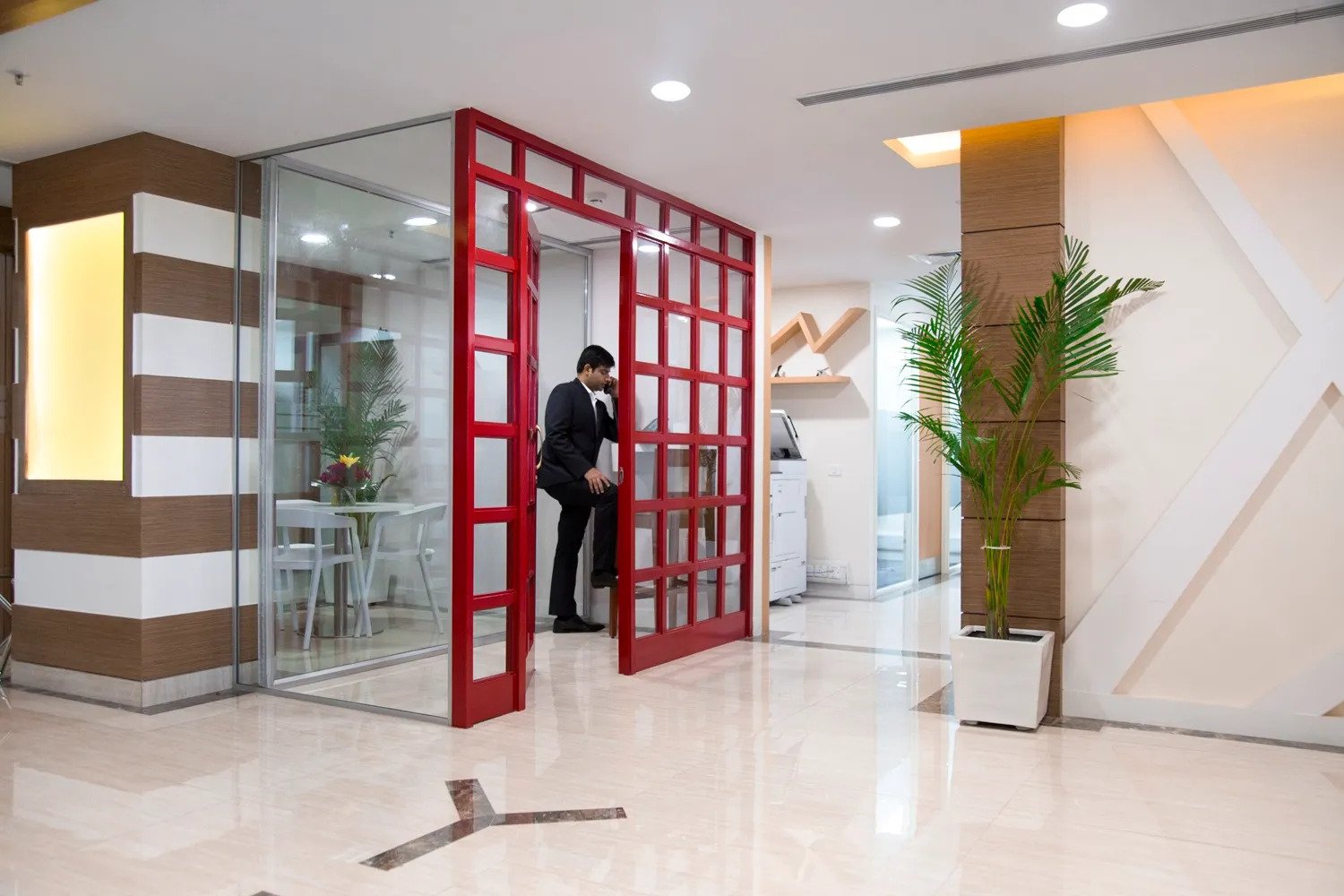
Choosing the right workplace is an important business decision. Your workspace affects employee productivity, operating costs, client perception, collaboration, and even your ability to scale. With businesses increasingly adopting hybrid and flexible working models, traditional long-term office leases are no longer the only option.
Today, businesses can choose from several workspace solutions, including coworking space, business centres, serviced offices, managed offices, and traditional office space. Each option offers different advantages depending on the size, budget, work style, and growth plans of a company.
The challenge is determining which solution fits your business best.
Whether you are launching a startup, expanding an established company, managing a remote team, or looking for a professional location for client meetings, understanding your workspace requirements is the first step. This guide explores the key factors to consider before choosing a workspace solution and explains how to make a practical decision for your business.
What Are Workspace Solutions?
Workspace solutions refer to different types of professional environments designed to accommodate the operational needs of businesses and professionals.
Depending on your requirements, these can include:
- Coworking spaces
- Private offices
- Serviced offices
- Managed offices
- Business centres
- Traditional leased offices
- Virtual offices
- Meeting and conference facilities
The right option depends on factors such as team size, required privacy, budget, lease flexibility, location, and the level of support your business needs.
Start by Understanding Your Business Needs
Before comparing workspace options, identify what your business actually requires.
Consider Your Team Size
A freelancer working independently has very different requirements from a company with 50 employees. Smaller teams may benefit from flexible desks or private cabins, while larger organizations may require dedicated office floors or customized layouts.
Think about your current team size as well as expected growth over the next one to three years.
Evaluate Your Working Style
Does your team work entirely from the office, follow a hybrid model, or work remotely most of the time?
Businesses with hybrid teams may not need a dedicated desk for every employee. In such cases, flexible coworking space or hot desks can provide better value.
Determine Your Privacy Requirements
Privacy is another important consideration.
If your business handles confidential client information, financial records, legal documents, or sensitive discussions, private offices or managed workspace solutions may be more appropriate than an open coworking environment.
Compare Different Workspace Solutions
Coworking Space
A coworking space provides shared workstations and professional amenities within a collaborative environment.
It is particularly suitable for:
- Freelancers
- Startups
- Remote workers
- Consultants
- Small teams
- Entrepreneurs
Coworking spaces generally offer flexible memberships, meeting rooms, high-speed internet, lounges, and shared facilities.
The main advantage is flexibility without the financial commitment of a traditional office lease.
Business Centre
A business centre provides a broader range of professional workspace and business support services.
Depending on the provider, businesses may have access to:
- Private offices
- Shared workspaces
- Meeting rooms
- Conference rooms
- Reception services
- Administrative support
- Virtual office services
Business centres are useful for companies that want a professional business environment with flexible workspace options.
Traditional Office Space
Traditional office space provides greater control over the workplace, including layout, branding, furniture, and internal operations.
However, conventional offices usually require higher upfront investment and longer lease commitments. Businesses may also need to manage furniture, utilities, maintenance, security, and other operational responsibilities.
For established companies that need a highly customized environment, traditional office space can still be a suitable choice.
Location Should Be a Major Consideration
Location can influence employee satisfaction, client accessibility, recruitment, and business visibility.
When evaluating workspace solutions, consider:
- Accessibility by metro and public transport
- Proximity to major roads
- Parking availability
- Distance from employees
- Access to restaurants and business services
- Nearby hotels for visiting clients
- Overall reputation of the business district
A premium location may cost more, but it can provide greater convenience and strengthen your professional image.
Calculate the Total Cost
Don’t compare workspace solutions based only on the advertised monthly rent.
Consider the complete cost, including:
- Rent or membership fees
- Security deposits
- Internet
- Electricity
- Maintenance
- Furniture
- Parking
- Meeting room charges
- Printing services
- Administrative support
- Taxes and other applicable fees
A coworking space may appear more expensive per desk than a traditional lease, but many operational expenses are already included. On the other hand, a cheaper office may require significant additional investment before it becomes operational.
Always compare the total cost of occupancy rather than just the headline price.
Check Flexibility and Contract Terms
Business requirements can change quickly.
A startup may have five employees today and twenty employees next year. A company may also reduce its physical workforce because of hybrid working.
Therefore, look for workspace solutions that allow you to:
- Upgrade your workspace
- Add additional desks
- Reduce capacity when necessary
- Change office configurations
- Extend agreements
- Access additional facilities
Flexible terms can reduce the risks associated with long-term commitments.
Evaluate Amenities and Infrastructure
A modern workspace should provide reliable infrastructure that supports everyday business operations.
Important facilities include:
High-Speed Internet
Stable internet is essential for video conferencing, cloud applications, file sharing, and remote collaboration.
Power Backup
Power interruptions can disrupt meetings and productivity. Check whether the provider offers reliable backup systems.
Meeting Rooms
If your business frequently meets clients, investors, or partners, access to professional meeting rooms can be extremely valuable.
Conference Rooms
Larger businesses may require conference facilities for presentations, training sessions, workshops, and team meetings.
Pantry and Common Areas
Comfortable breakout areas and pantry facilities can improve the overall employee experience.
Consider Employee Productivity
A workspace should support your team’s ability to focus and collaborate.
When visiting a potential workspace, observe:
- Noise levels
- Natural lighting
- Desk spacing
- Seating comfort
- Temperature control
- Cleanliness
- Availability of quiet areas
A beautifully designed workspace is useful only if employees can work comfortably and efficiently.
Think About Your Brand Image
Your workspace can influence how customers and business partners perceive your company.
A professional office environment can help create a positive first impression during client meetings and presentations.
If your business frequently hosts visitors, consider workspace solutions that offer:
- Professional reception areas
- Visitor management
- Meeting rooms
- Conference facilities
- Premium interiors
- Convenient locations
These features can help reinforce your company’s credibility.
Look at Scalability
One of the most overlooked factors when choosing workspace solutions is future growth.
Don’t select a workspace solely based on today’s requirements.
Ask the provider:
- Can I add more seats?
- Are larger offices available?
- Can I upgrade to a private office?
- Are meeting rooms available?
- Can I access multiple locations?
- Is there support for remote employees?
A scalable workspace can grow alongside your business and reduce the disruption associated with relocating.
Pros and Cons of Different Workspace Solutions
Coworking Space
Pros:
- Flexible memberships
- Lower setup costs
- Networking opportunities
- Shared amenities
- Suitable for hybrid teams
Cons:
- Less privacy
- Shared facilities
- Limited customization
Business Centre
Pros:
- Professional environment
- Flexible office options
- Business support services
- Meeting and conference facilities
- Scalable solutions
Cons:
- Premium facilities may cost more
- Additional services may have separate charges
Traditional Office Space
Pros:
- Complete control
- Greater privacy
- Customizable interiors
- Strong branding opportunities
Cons:
- Higher setup costs
- Long-term commitments
- Maintenance responsibilities
- Less flexibility
Questions to Ask Before Choosing a Workspace
Before signing an agreement, ask the provider about:
- What is included in the monthly price?
- Are there additional charges for meeting rooms?
- Is high-speed internet included?
- What are the contract and cancellation terms?
- Is there a security deposit?
- Can the workspace be expanded later?
- Is parking available?
- What security measures are provided?
- Is technical or administrative support available?
- Can I visit the workspace before making a decision?
Getting clear answers can help prevent unexpected expenses and operational problems.
Frequently Asked Questions
What are workspace solutions?
Workspace solutions are flexible and traditional office options designed to meet different business requirements. They include coworking spaces, business centres, private offices, managed offices, and conventional office spaces.
Is a coworking space suitable for startups?
Yes. Coworking spaces can be particularly useful for startups because they provide professional infrastructure without requiring large upfront investments.
Is a business centre better than traditional office space?
It depends on your requirements. A business centre generally offers greater flexibility and support, while traditional office space provides more control and customization.
How much workspace does my business need?
Calculate your current team size, working patterns, meeting requirements, storage needs, and expected growth. Avoid paying for significantly more space than you currently require.
Should I choose a flexible workspace for a hybrid team?
A flexible workspace can be an excellent option for hybrid teams because employees can access desks and meeting facilities when they need them without requiring a permanent workstation for everyone.
Conclusion
Choosing the right workspace solutions requires more than comparing rental prices. Businesses should evaluate their team size, working style, privacy requirements, location, budget, amenities, contract flexibility, and future growth plans.
For startups and flexible teams, a coworking space can provide an affordable and collaborative environment. A business centre can offer a combination of private offices, shared workspaces, meeting facilities, and professional support. Meanwhile, traditional office space may be more suitable for organizations that require greater control and customization.
The best choice is ultimately the workspace that supports your current operations while giving your business room to grow.
Before making a decision, compare providers, visit shortlisted locations, understand the complete cost, and carefully review the agreement.




Post Comment