How to Choose the Right Fitness Coach for Your Goals
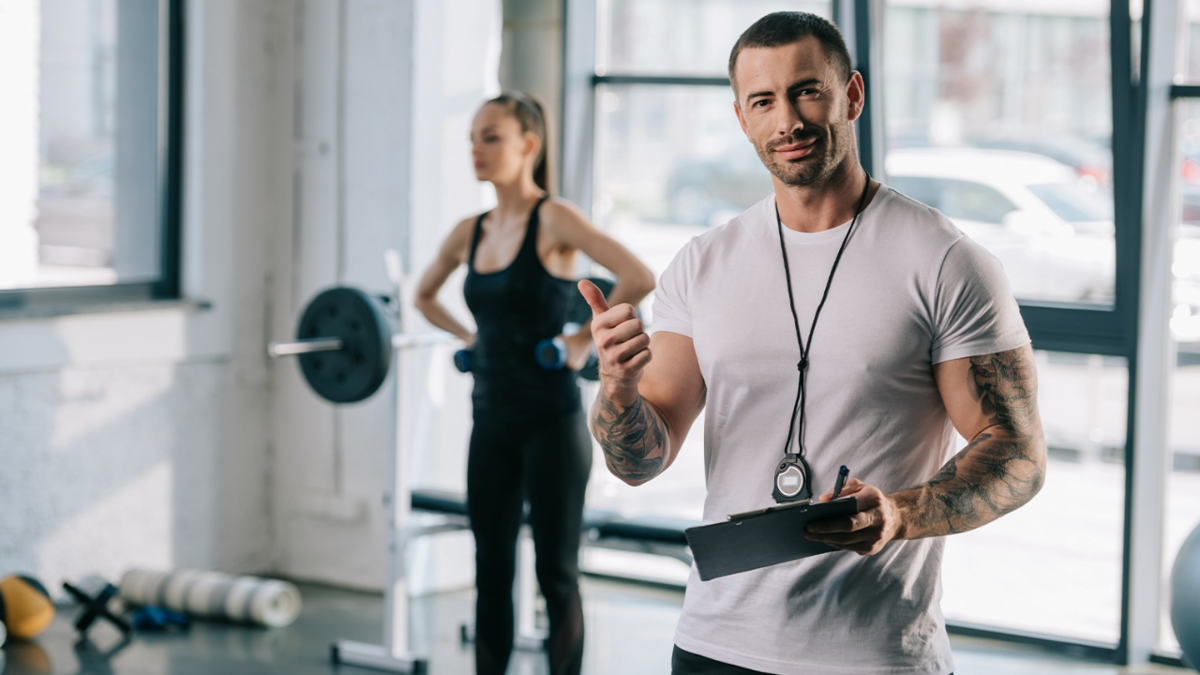
Achieving your health and wellness goals often requires more than motivation alone. Whether you want to lose weight, build muscle, improve endurance, or simply adopt a healthier lifestyle, having expert guidance can make the journey more effective and enjoyable. A qualified fitness coach can provide personalized support, accountability, and professional advice tailored to your unique needs.
However, not every trainer is the right match for every individual. With so many professionals offering different specialties, experience levels, and coaching styles, choosing the right one can feel overwhelming. Understanding what to look for will help you make a confident decision and maximize your results.
Define Your Fitness Goals
Before searching for a trainer, clearly identify what you want to achieve. Your objectives will influence the type of professional who is best suited to help you. Some common goals include:
- Weight loss
- Muscle building
- Strength training
- Sports performance
- Flexibility and mobility
- Injury recovery
- General health improvement
When your goals are well defined, it becomes much easier to find a fitness coach who specializes in those specific areas.
Check Qualifications and Certifications
Professional certifications demonstrate that a trainer has completed recognized education and understands exercise science, anatomy, nutrition basics, and safety procedures. Look for certifications from respected organizations in the health and fitness industry.
In addition to certifications, ask about continuing education. The fitness industry evolves constantly, and professionals who regularly update their knowledge can offer better training methods based on current research.
Consider Experience
Experience often plays an important role in delivering successful results. Someone who has worked with clients who share similar goals is more likely to understand the challenges and effective strategies involved.
Ask questions such as:
How many years have you been training clients?
Have you worked with people who have similar goals?
Can you provide client success stories or testimonials?
Practical experience helps trainers adapt workouts to different fitness levels and overcome obstacles that may arise during the process.
Evaluate Communication Style
A good coaching relationship depends on effective communication. Some people respond well to high-energy motivation, while others prefer a calm and supportive approach.
During your initial consultation, pay attention to how the trainer communicates. They should listen carefully, answer your questions clearly, and explain exercises in an easy-to-understand manner. Feeling comfortable with your coach will encourage consistency and long-term success.
Look for Personalized Programs
Avoid professionals who offer identical workout plans to every client. Everyone has different goals, physical abilities, schedules, and medical histories.
A skilled fitness coach will assess your current fitness level before creating a customized plan. They should also make adjustments as you progress instead of following the same routine indefinitely.
Personalized training increases effectiveness while reducing the risk of injury and burnout.
Assess Availability and Scheduling
Consistency is one of the most important factors in reaching fitness goals. Before making a commitment, ensure the trainer’s schedule matches your availability.
Consider factors such as:
Session times
Training frequency
Online versus in-person coaching
Weekend availability
Response time for questions
Choosing someone whose schedule fits your lifestyle makes it easier to stay committed over the long term.
Read Reviews and Testimonials
Client reviews provide valuable insight into professionalism, reliability, and coaching effectiveness. Look beyond star ratings and read detailed feedback from previous clients.
Positive testimonials often mention:
- Improved results
- Clear communication
- Motivation and encouragement
- Professional behavior
- Consistent support
While no trainer will have perfect reviews, consistent positive feedback is usually a good sign.
Observe Professionalism
Professionalism reflects how seriously someone takes their work. A reliable trainer should arrive on time, communicate respectfully, maintain organized sessions, and demonstrate proper exercise techniques.
They should also prioritize your safety by explaining correct form, monitoring your progress, and adjusting workouts when necessary.
A professional approach creates a positive environment where clients feel respected and motivated.
Understand Pricing and Value
Training costs vary depending on experience, location, session length, and specialization. Rather than choosing solely based on the lowest price, consider the overall value.
Ask about:
- Package options
- Session duration
- Cancellation policies
- Progress assessments
Additional support outside sessions
Investing in quality coaching may save time and help you achieve your goals more efficiently.
Make Sure They Encourage Healthy Habits
Effective coaching extends beyond exercise alone. A knowledgeable trainer should encourage sustainable habits such as balanced nutrition, proper recovery, hydration, sleep, and stress management.
Instead of promoting unrealistic promises or extreme methods, they should focus on long-term lifestyle improvements that support lasting health.
Schedule a Trial Session
Many trainers offer an introductory consultation or trial workout. This provides an opportunity to experience their coaching style before making a longer commitment.
During the session, evaluate whether they:
- Listen to your concerns
- Explain exercises clearly
- Correct your technique
- Adapt exercises when needed
- Create a comfortable training environment
A trial session can reveal whether the partnership feels like a good fit.
Trust Your Instincts
Credentials and experience are important, but personal compatibility also matters. You should feel respected, motivated, and comfortable asking questions.
If something feels off during your interactions, continue exploring other options. The right fitness coach should inspire confidence while supporting your progress without unnecessary pressure.
Track Progress Together
The best trainers regularly measure improvements rather than relying on guesswork. Progress may include increased strength, improved endurance, better flexibility, body composition changes, or enhanced overall health.
Regular assessments help identify what’s working and allow adjustments to keep you moving toward your goals. Celebrating small milestones also helps maintain motivation throughout the journey.
Final Thoughts
Choosing the right fitness coach is one of the most important decisions you can make for your health and wellness journey. By defining your goals, verifying qualifications, evaluating experience, and ensuring a personalized approach, you greatly increase your chances of achieving lasting success.
Remember that great coaching is built on trust, communication, and consistency. Take your time to research your options, ask thoughtful questions, and select someone who genuinely understands your needs. With the right guidance and your commitment, reaching your fitness goals becomes a realistic and rewarding experience.










Post Comment